REDWAY BATTERY / KNOWLEDGE
Understanding the Dos and Don’ts of Disposing Lithium Batteries
What Are the Risks of Improper Disposal of Lithium Batteries?
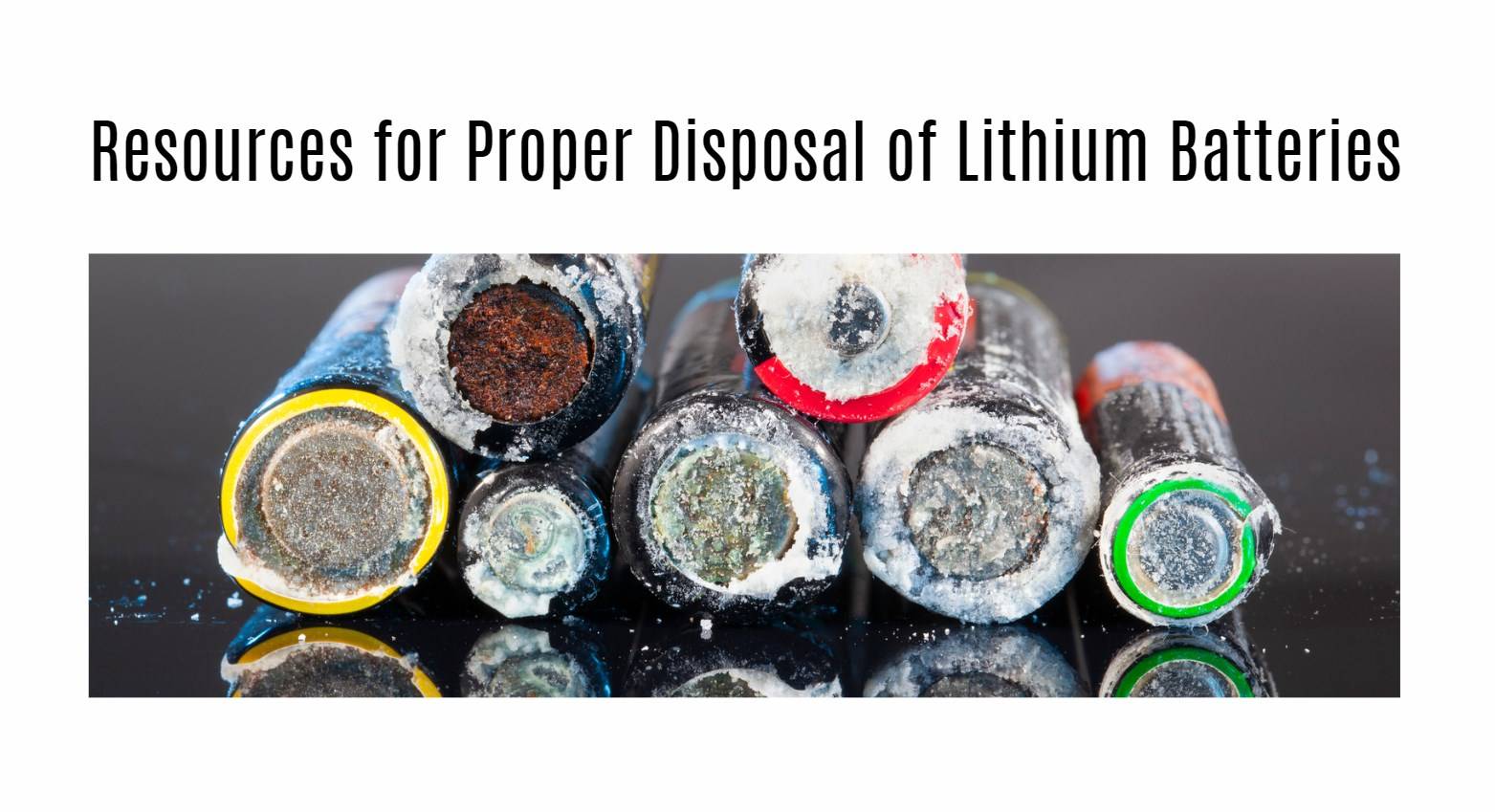
Improper disposal of lithium batteries poses significant risks, including fire hazards and environmental contamination; when batteries are discarded in regular trash or recycling bins, they can short-circuit, overheat, or leak hazardous materials, leading to fires or toxic exposure.Chart: Risks Associated with Improper Battery Disposal
| Risk | Description |
|---|---|
| Fire Hazards | Short-circuiting can ignite fires |
| Toxic Leakage | Harmful chemicals can contaminate soil and water |
| Safety Risks | Poses dangers to waste management workers |
How Should You Prepare Batteries for Safe Disposal?
To prepare lithium batteries for safe disposal:
- Tape Terminals: Cover battery terminals with non-conductive tape to prevent short-circuiting.
- Store Safely: Keep batteries in a cool, dry place until you can dispose of them.
- Check Local Guidelines: Follow manufacturer instructions and local regulations for disposal.
Chart: Preparation Steps for Safe Battery Disposal
| Step | Action |
|---|---|
| Tape Terminals | Use electrical tape or masking tape |
| Store in Controlled Environment | Keep away from heat sources |
| Research Local Guidelines | Check with local waste management authorities |
Where Can You Recycle Lithium-Ion Batteries Effectively?
Lithium-ion batteries can be recycled at designated facilities that specialize in battery recycling; many electronics retailers, community recycling events, and hazardous waste collection sites accept these batteries to ensure safe handling and processing.Chart: Recycling Options for Lithium-Ion Batteries
| Location | Description |
|---|---|
| Retailers | Many stores offer drop-off programs |
| Community Events | Local recycling drives may accept batteries |
| Hazardous Waste Facilities | Specifically designed to handle hazardous materials |
How Do Different Types of Lithium Batteries Affect Disposal Methods?
Different types of lithium batteries may require specific disposal methods; for example, lithium-ion batteries used in consumer electronics may be accepted at retail locations, while larger lithium polymer or lithium titanate batteries may need specialized recycling processes.Chart: Types of Lithium Batteries and Their Disposal Methods
| Battery Type | Recommended Disposal Method |
|---|---|
| Lithium-Ion | Retail drop-off or recycling centers |
| Lithium Polymer | Specialized recycling facilities |
| Lithium Titanate | Contact manufacturers or certified recyclers |
What Should You Know About Local Regulations for Battery Disposal?
Local regulations often dictate how lithium batteries must be disposed of; it is crucial to familiarize yourself with these laws to avoid fines and ensure safe practices; many areas classify lithium batteries as hazardous waste.Chart: Common Local Regulations
| Regulation | Description |
|---|---|
| Universal Waste Guidelines | Many areas classify lithium batteries as universal waste |
| Hazardous Waste Collection | Requires specific disposal methods |
| Manufacturer Take-Back Programs | Some manufacturers offer return programs |
How Can Consumers Advocate for Better Recycling Programs?
Consumers can advocate for better recycling programs by:
- Contacting Local Officials: Encourage local governments to implement battery recycling initiatives.
- Participating in Community Events: Engage in local clean-up days or educational workshops.
- Supporting Legislation: Advocate for laws that promote battery recycling and proper disposal.
Expert Views
“Proper disposal of lithium batteries is not just a matter of compliance; it is essential for protecting our environment and ensuring public safety,” states Dr. Jane Doe, an expert in environmental science.
FAQ Section
- What should I do if my lithium battery is damaged?
Contact a local hazardous waste facility for guidance on safe disposal. - Can I throw lithium batteries in the regular trash?
No, never dispose of lithium batteries in regular trash due to fire risks. - Where can I find a recycling center near me?
Check with local electronics retailers or municipal waste management websites for nearby recycling options.
For the surrounding sizing, selection, installation and maintenance decisions, continue with the Battery Care, Lifespan and Safety: Safety, Storage and Lifespan — Part 5.