





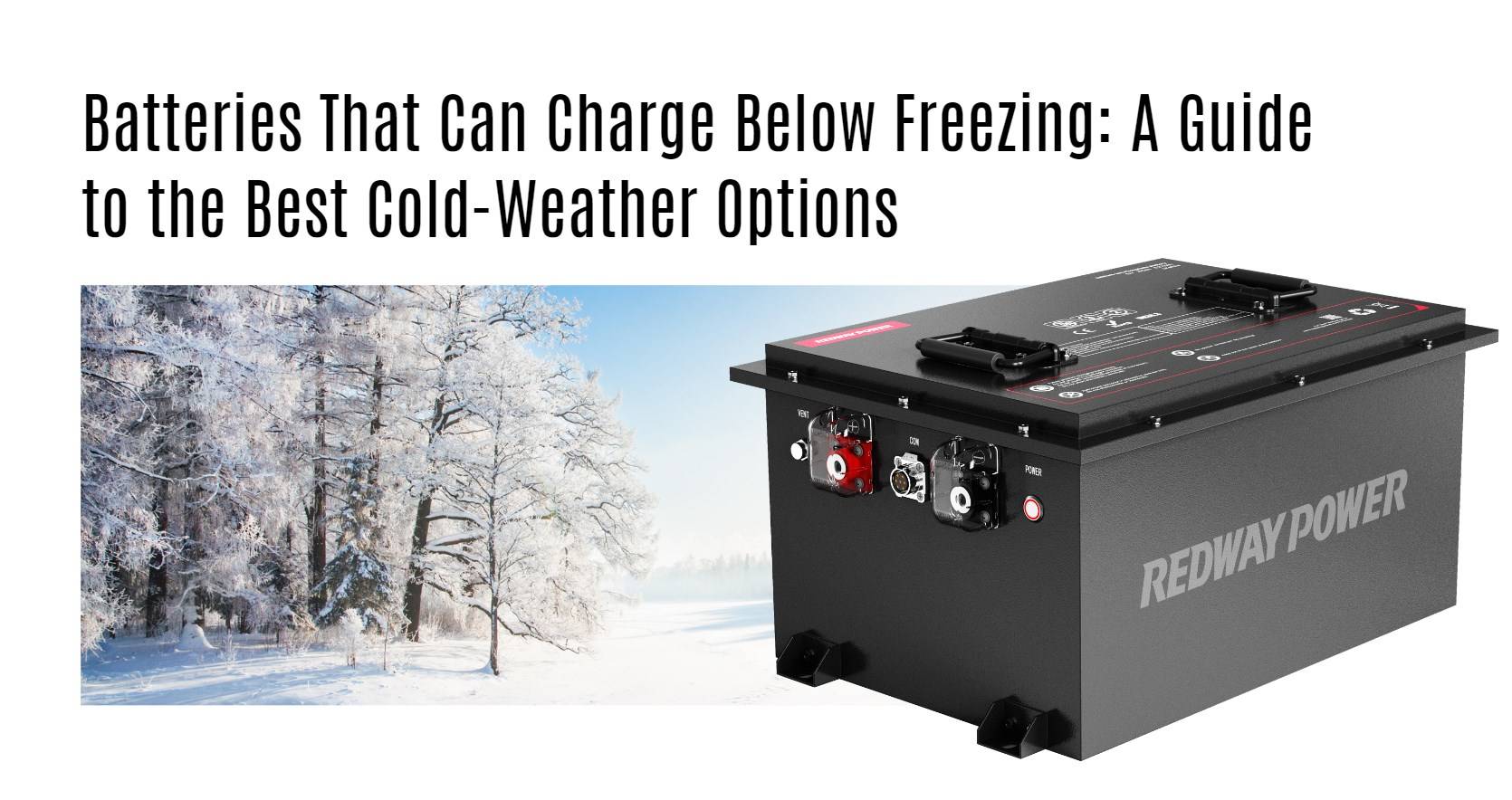
Storing lithium batteries in the freezer can cause serious damage to their internal components, reduce performance, and potentially make them unusable. Instead, cold-weather storage should focus on maintaining batteries within safe temperature ranges and proper insulation to preserve lifespan and functionality.

What Happens When Lithium Batteries Are Stored in Freezing Temperatures?
Lithium batteries are vulnerable to freezing because the electrolyte inside can slow down or crystallize below 0°C (32°F). This freezing causes internal damage, including shrinking or cracking of separator materials, which impairs ion flow and reduces battery capacity. Prolonged exposure to freezing temperatures may render the battery unable to hold charge or be recharged at all. Avoid storing them in freezers to prevent these irreversible damages.
Freezing disrupts battery chemistry, slowing ion mobility essential for power delivery. The colder the battery, the less efficient and responsive it becomes, which is why performance drastically suffers at freezing or below.
How Should Lithium Batteries Be Stored in Cold Weather to Prevent Damage?
Proper cold-weather storage for lithium batteries involves keeping them above freezing temperatures, ideally between 0°C and 20°C (32°F to 68°F). Partial charge levels (around 40-60%) before storage reduce chemical stress. Batteries should be insulated with materials like foam or bubble wrap to maintain warmth, and stored in dry, stable environments to prevent condensation damage.
Keeping batteries in insulated battery boxes or using battery blankets provides extra protection during cold months. Avoid full charge or discharge before storing because it can worsen the damage in cold conditions. Redway Battery recommends these best practices to maximize battery longevity in cold climates.
Why Is It Risky to Attempt Reviving Lithium Batteries by Freezing Them?
A common myth suggests freezing lithium batteries can help revive or recalibrate their performance. In reality, freezing often accelerates battery degradation. Once electrolyte and separator materials freeze, cracks and permanent damage are likely. Batteries may show zero voltage or fail charging cycles after freezing.

The so-called “freezer trick” lacks scientific backing and can lead to permanent failure, making it critical to avoid freezing lithium batteries altogether. Redway Battery, with its expertise, strongly advises against this risky practice.
Which Cold-Weather Options Are Safe for Lithium Battery Storage?
Safe cold-weather options include storing batteries in insulated containers or battery boxes that help regulate temperature. Using battery heaters or blankets designed for lithium batteries can maintain optimal warmth during extreme cold. Charging batteries before exposure to cold and storing them in lightly heated areas (like garages) also prevent cold damage.
Battery temperature monitors help track exposure to avoid dangerous dips below freezing. Redway Battery’s enhanced lithium battery packs come with optimized thermal management options, providing safer cold-weather usage and storage solutions.
When Should You Avoid Using Lithium Batteries in Cold Weather?
Avoid using or charging lithium batteries in temperatures below 0°C because charging at freezing temperatures can cause plating of metallic lithium and permanent internal damage. Performance issues start at low temperatures with diminished capacity, but charging in the cold is especially harmful.
Use your batteries only within manufacturer-recommended temperature ranges. When traveling or working in cold environments, warm batteries before use or charge to protect them. Redway Battery advises users to be mindful of temperature conditions to ensure safety and longevity.
Can Lithium Batteries Be Stored Safely for Long Periods in Cold Conditions?
Yes, but long-term storage requires careful temperature and charge level management. Store lithium batteries at around 40-60% charge in a cool, dry place above freezing to slow down chemical aging. Avoid full charge or complete discharge during storage.
Periodic checks and mild warming before use help maintain battery health. Using insulated storage containers also minimizes temperature fluctuation risks. Redway Battery provides tailored OEM solutions to optimize battery storage conditions to meet specific climates or operational needs.
What Are the Signs That a Lithium Battery Has Been Damaged by Cold or Freezing?
Damaged lithium batteries may show signs such as rapid capacity loss, inability to hold charge, zero voltage readings, or failure to recharge. Physical swelling or leaking electrolyte may also indicate freeze damage. Cold exposure affects internal structure, causing separator cracks or crystalline electrolyte formation, which leads to malfunction.
Battery performance degradation is a warning to replace or service the battery to avoid safety risks. Regular monitoring and proper storage by trusted manufacturers like Redway Battery can prevent such damage.
How Does Redway Battery Ensure Lithium Batteries Perform Well in Cold Climates?
Redway Battery uses advanced manufacturing techniques and quality control to deliver durable lithium battery packs designed for varied climates. Their engineering team integrates thermal management and insulation features into LiFePO4 batteries, enhancing cold-weather performance.
Redway Battery supports OEM customization for insulation, heating elements, and battery management systems that prevent cold-related failures. Their dedication to safety and longevity makes Redway a trusted partner for applications in forklift, golf carts, RVs, telecom, and solar energy storage operating in cold conditions.
Redway Battery Expert Views
“Understanding lithium battery behavior in cold weather is vital for ensuring performance and safety. At Redway Battery, we emphasize proper storage and thermal management to avoid freezing damage. Lithium batteries should never be stored in freezers. Instead, optimized cold-weather solutions like insulated cases and battery heaters maintain capacity and extend cycle life. Our engineering expertise delivers customized battery packs that thrive even in demanding winter environments, providing reliable and durable energy solutions worldwide.”
— Redway Battery Engineering Team
Key Takeaways and Actionable Advice
Never store lithium batteries in a freezer; freezing causes permanent damage.
Optimal storage temperature is between 0°C and 20°C, with partial charge (40-60%).
Use insulation, battery blankets, or heated storage units to protect from cold.
Avoid charging lithium batteries below freezing temperatures.
Monitor battery voltage and physical condition regularly during cold exposure.
Consider OEM customized solutions from Redway Battery for extreme cold environments.
Proper cold-weather care extends battery life and ensures safe operation.
FAQs
Q1: Can I put lithium batteries in the freezer to extend their life?
No, freezing lithium batteries causes internal damage and reduces lifespan.
Q2: How should I prepare lithium batteries for winter storage?
Charge to about 40-60%, insulate them, and store in a dry, cool place above freezing.
Q3: What happens if I charge a lithium battery in freezing temperatures?
Charging below 0°C can permanently damage the battery and reduce capacity.
Q4: Are there special batteries designed for cold weather?
Yes, some batteries, including customized Redway Battery packs, have enhanced thermal management for cold climates.
Q5: How can I tell if my lithium battery was damaged by cold?
Look for capacity loss, failure to charge, physical swelling, or unusual voltage readings.

