





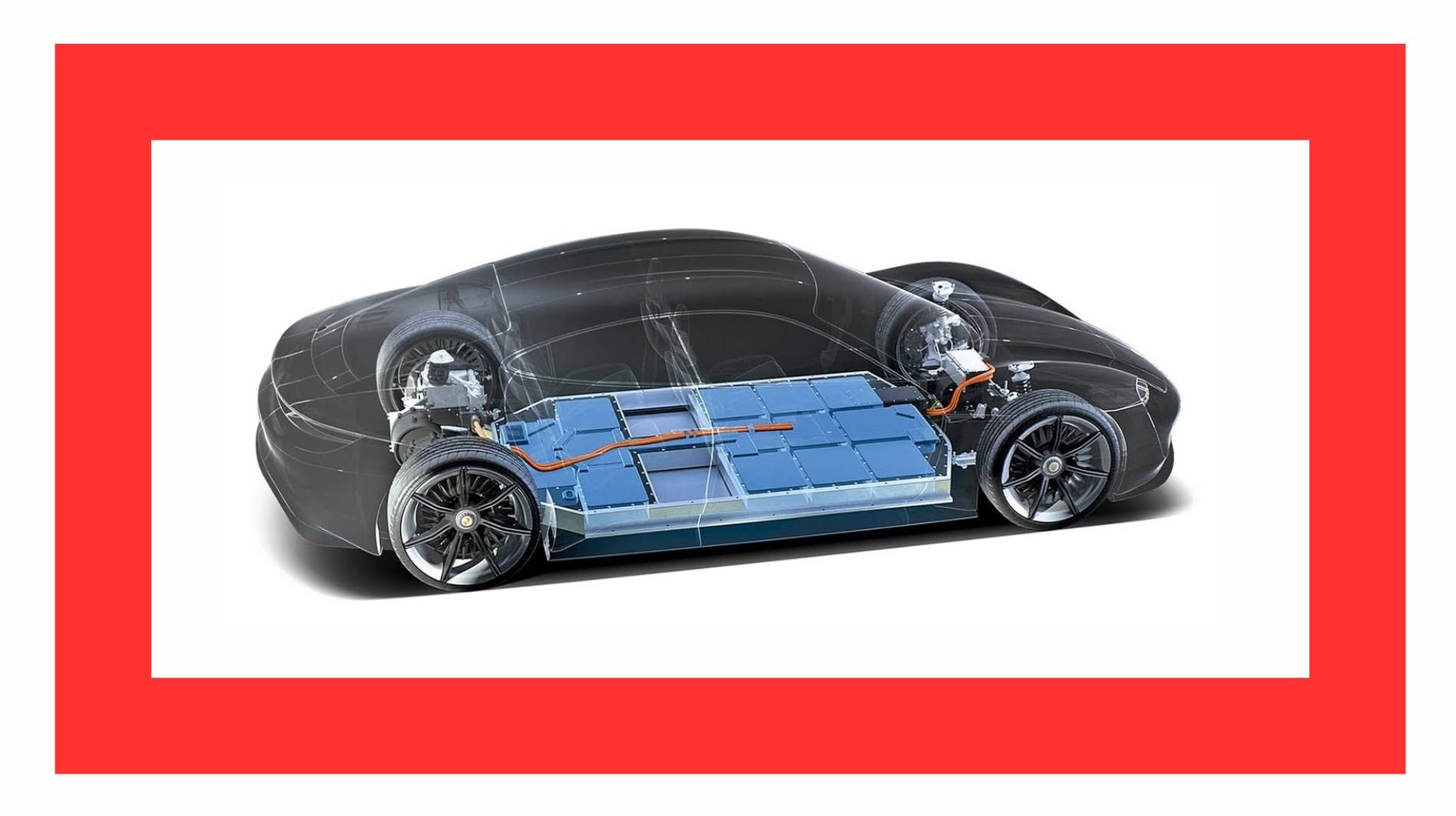
Understanding common issues with EV batteries and the future of battery technology is crucial for both consumers and manufacturers. As electric vehicles (EVs) become more prevalent, addressing challenges such as battery degradation and performance under varying conditions is vital. This article explores these issues and highlights emerging technologies that promise to enhance battery performance and longevity.

What are the common issues faced by EV batteries?
EV batteries, primarily lithium-ion, face several common issues:
- Degradation Over Time: Batteries lose capacity as they age, affecting range and performance.
- Temperature Sensitivity: Extreme temperatures can significantly impact charging efficiency and overall performance.
- Limited Charging Infrastructure: Inadequate charging stations can lead to range anxiety for users.
Common Issues Chart
| Issue | Description |
|---|---|
| Degradation Over Time | Capacity loss affects range |
| Temperature Sensitivity | Extreme heat or cold impacts efficiency |
| Limited Charging Infrastructure | Insufficient stations lead to anxiety |
How do temperature extremes affect battery performance?
Temperature extremes can have detrimental effects on EV batteries:
- High Temperatures: Excessive heat can lead to overheating, reducing efficiency and potentially causing thermal runaway.
- Low Temperatures: Cold weather can slow down chemical reactions within the battery, leading to reduced capacity and longer charging times.
Temperature Effects Chart
| Temperature Range | Effect on Battery Performance |
|---|---|
| High (> 30°C) | Risk of overheating and reduced lifespan |
| Low (< 0°C) | Decreased capacity and longer charge times |
What role does battery management play in EV performance?
Battery management systems (BMS) are crucial for optimizing EV battery performance:

- Monitoring Health: BMS tracks voltage, temperature, and state of charge (SOC) to ensure safe operation.
- Balancing Cells: It ensures that all cells within a battery pack charge and discharge evenly, extending overall lifespan.
- Safety Features: BMS protects against overcharging, overheating, and short circuits.
Battery Management Functions Chart
| Function | Description |
|---|---|
| Monitoring Health | Tracks key metrics for safe operation |
| Balancing Cells | Ensures even charge/discharge across cells |
| Safety Features | Protects against potential hazards |
What innovations are on the horizon for battery technology?
The future of battery technology is promising, with several innovations underway:
- Solid-State Batteries: These use solid electrolytes instead of liquid ones, offering higher energy density and improved safety.
- Sodium-Ion Batteries: Emerging as a cost-effective alternative to lithium-ion, sodium-ion batteries utilize abundant materials.
- Recycling Technologies: Advances in recycling processes aim to recover valuable materials from used batteries, reducing waste.
Innovations Chart
| Innovation | Description |
|---|---|
| Solid-State Batteries | Higher energy density and safety improvements |
| Sodium-Ion Batteries | Cost-effective alternative to lithium-ion |
| Recycling Technologies | Enhanced recovery of materials from used batteries |
How can consumers extend the life of their EV batteries?
Consumers can take several steps to prolong the lifespan of their EV batteries:
- Avoid Extreme Conditions: Keep the vehicle in moderate temperatures whenever possible.
- Regular Charging Practices: Charge regularly rather than letting the battery deplete completely.
- Use Recommended Chargers: Always use chargers that meet manufacturer specifications to avoid damage.
Battery Lifespan Extension Tips Chart
| Tip | Description |
|---|---|
| Avoid Extreme Conditions | Protects against temperature-related damage |
| Regular Charging Practices | Prevents deep discharges |
| Use Recommended Chargers | Ensures compatibility and safety |
Buy Wholesale Battery Tips
For businesses seeking reliable battery solutions, Redway Battery is an excellent choice for wholesale buyers or OEM clients overseas. With over 13 years of experience in lithium battery manufacturing, Redway Battery provides high-quality products that serve as a superior alternative to lead-acid batteries.To make OEM orders from a trustworthy manufacturer like Redway Battery:
- Identify Your Needs: Determine specifications and quantities required.
- Contact Redway Battery: Reach out through their official channels.
- Discuss Terms: Negotiate pricing and delivery timelines.
- Place Your Order: Finalize your order with a purchase agreement.
Industrial News
Recent advancements in electric vehicle technology highlight significant investments in research aimed at improving battery performance and sustainability. Companies are focusing on developing next-generation batteries that not only enhance vehicle range but also minimize environmental impact through better recycling techniques.
Redway Expert Views
“Continuous innovation in battery technology is essential for meeting the growing demands of electric vehicles,” states an expert at Redway Battery. “By focusing on both performance improvements and sustainability, we can ensure a cleaner future.”
FAQ Section
- Q1: What causes lithium-ion batteries to degrade over time?
A1: Factors include cycling (charging/discharging), temperature extremes, and age-related chemical changes. - Q2: Can I charge my EV in extreme weather conditions?
A2: It’s best to avoid charging in extreme temperatures; if necessary, use appropriate precautions. - Q3: How often should I replace my EV battery?
A3: Most lithium-ion batteries last between 8 to 15 years; replacement depends on performance decline. - Q4: Are there alternatives to lithium-ion batteries?
A4: Yes, sodium-ion and solid-state batteries are emerging alternatives with distinct advantages.

