





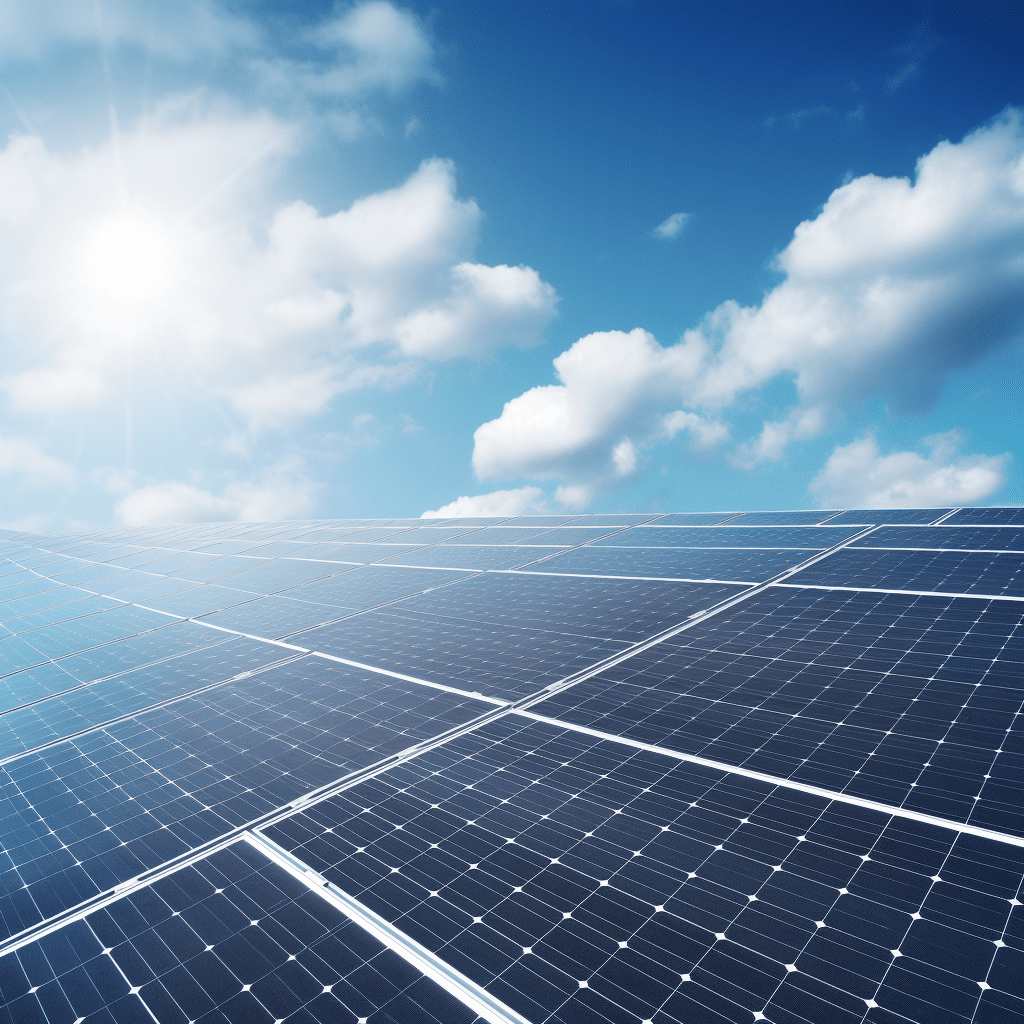
The journey of solar power has seen significant advancements from traditional silicon-based panels to innovative nanostructured cells. This evolution has been driven by the need for increased efficiency, reduced costs, and improved energy capture. Understanding this progression highlights the potential future of solar energy technology.

What Are Traditional Solar Panels and Their Limitations?
Overview of Traditional Panels
Traditional solar panels, primarily made from crystalline silicon, have been the backbone of solar energy for decades. They typically convert sunlight into electricity with efficiencies ranging from 15% to 22%. However, they come with limitations such as high production costs, bulkiness, and a relatively low efficiency in capturing light.
Chart: Traditional Solar Panel Characteristics
| Feature | Description |
|---|---|
| Material | Crystalline Silicon |
| Efficiency | 15% – 22% |
| Lifespan | 25-30 years |
| Cost | $0.50 – $0.80 per watt |
How Did Nanostructured Solar Cells Emerge?
Introduction to Nanostructured Cells
Nanostructured solar cells utilize materials at the nanoscale to enhance light absorption and conversion efficiency. This technology emerged as researchers sought to overcome the limitations of traditional panels, leading to innovations such as organic photovoltaics and perovskite solar cells.
Chart: Types of Nanostructured Solar Cells
| Type | Description |
|---|---|
| Organic Photovoltaics | Made from carbon-based materials; flexible and lightweight |
| Perovskite Solar Cells | High efficiency potential; cheaper materials |
| Quantum Dot Solar Cells | Utilize semiconductor nanocrystals for enhanced performance |
What Are the Advantages of Nanostructured Solar Cells?
Benefits Over Traditional Panels
- Higher Efficiency: Nanostructured cells can achieve efficiencies above 25%, significantly outperforming traditional panels.
- Lower Production Costs: Many nanomaterials can be produced at a lower cost than silicon, making solar energy more accessible.
- Flexibility and Lightweight: Some nanostructured cells are flexible, allowing for integration into various surfaces and applications.
Chart: Advantages of Nanostructured Cells
| Advantage | Description |
|---|---|
| Higher Efficiency | Potential efficiencies above 25% |
| Cost-Effective | Lower material costs compared to silicon |
| Flexible Design | Can be integrated into diverse surfaces |
Why Is Research and Development Crucial for Solar Technology?
Importance of R&D
Ongoing research and development are vital for improving the performance and reducing the costs of solar technologies. Innovations in nanotechnology can lead to breakthroughs in efficiency and sustainability, paving the way for broader adoption of solar energy.
Chart: Research Focus Areas
| Focus Area | Description |
|---|---|
| Material Science | Developing new materials for better efficiency |
| Manufacturing Techniques | Streamlining production processes |
| Energy Storage | Enhancing battery technologies for solar integration |
How Do Environmental Factors Impact Solar Panel Performance?
Environmental Considerations
Solar panel performance can be affected by various environmental factors such as temperature, shading, and orientation. Understanding these factors is essential for optimizing solar energy systems.

Chart: Environmental Effects on Performance
| Factor | Impact on Performance |
|---|---|
| Temperature | Higher temperatures can reduce efficiency |
| Shading | Partial shading significantly decreases output |
| Orientation | Proper alignment towards the sun maximizes capture |
What Is the Future of Solar Power Technology?
Emerging Trends
The future of solar power technology looks promising with advancements in nanotechnology, integration with smart grids, and improved energy storage solutions. These developments aim to create more efficient, reliable, and sustainable energy systems.
Chart: Future Trends in Solar Technology
| Trend | Description |
|---|---|
| Bifacial Panels | Capture sunlight from both sides for increased output |
| Smart Solar Systems | Integration with IoT for enhanced monitoring |
| Enhanced Energy Storage | Improved batteries for better energy management |
Frequently Asked Questions
What are the main differences between traditional panels and nanostructured cells?
Traditional panels primarily use crystalline silicon with lower efficiencies, while nanostructured cells utilize advanced materials that offer higher efficiencies and flexibility.Are nanostructured solar cells commercially available?
Yes, some types of nanostructured cells like perovskite solar cells are being developed for commercial use, although widespread adoption is still in progress.How do environmental factors affect solar panel efficiency?
Factors such as temperature, shading, and orientation can significantly impact the amount of sunlight captured and converted into electricity.
Industrial News
Recent advancements in solar technology highlight a shift towards nanostructured solutions that promise higher efficiencies and lower production costs. Research institutions are focusing on developing perovskite solar cells due to their potential for high performance at a fraction of the cost of traditional silicon panels. Additionally, companies are investing in smart grid technologies to enhance energy management alongside renewable sources.
Redway Expert Insights
“The evolution from traditional solar panels to nanostructured cells represents a significant leap forward in renewable energy technology. As we continue to innovate in material science and production techniques, we can expect even greater efficiencies and applications for solar power that will help meet global energy demands sustainably.”

