




REDWAY BATTERY / KNOWLEDGE
Are Li-ion Battery Forklifts the Best Choice for Australia?
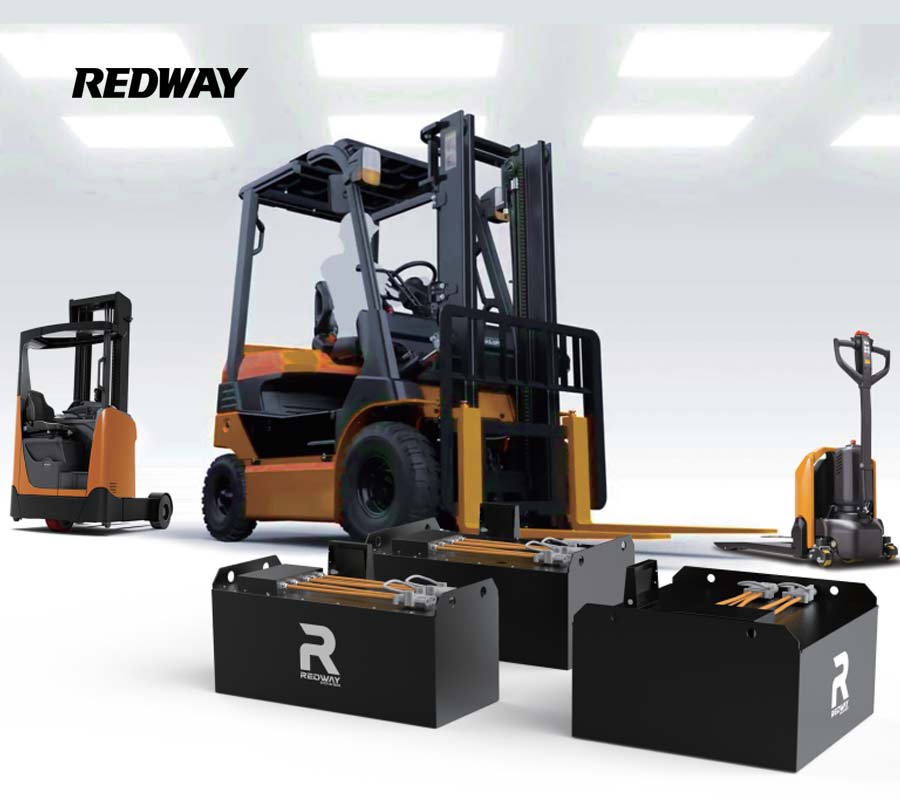
Li-ion battery forklifts offer superior efficiency, longer lifespan, and lower maintenance compared to traditional lead-acid batteries, making them an ideal choice for Australian industries. Their fast charging ability and eco-friendly operation increase productivity and reduce downtime in various warehouse and logistics applications.
How Do Li-ion Battery Forklifts Work?
Li-ion battery forklifts use lithium iron phosphate (LiFePO4) cells to store and deliver electrical energy. These batteries provide consistent power output with higher energy density than lead-acid types, enabling forklifts to operate longer with fewer charges. The batteries also support fast charging without degrading performance, making forklifts highly efficient in demanding industrial environments.
Li-ion technology delivers stable voltage and capacity, ensuring smooth forklift operation and reducing operational interruptions.
What Are the Benefits of Li-ion Battery Forklifts Compared to Lead-Acid?
Li-ion battery forklifts offer several advantages over lead-acid models, including:
Faster charging times (up to 80% charge in under an hour)
Longer cycle life (typically 3-5 times more cycles)
Reduced maintenance (no water topping or acid handling)
Higher energy efficiency and lower energy costs
Lighter battery weight improving forklift maneuverability
Zero emissions improving workplace air quality
These benefits translate into significant savings and productivity gains for businesses operating in Australia’s industrial sectors.
Which Industries in Australia Benefit Most from Li-ion Battery Forklifts?
Industries with high-intensity forklift use, such as warehousing, logistics, manufacturing, and retail, benefit greatly from li-ion forklifts. The fast charging and longer runtime suits businesses operating multiple shifts or requiring quick turnaround. Also, the clean energy aspect aligns with Australia’s increasing focus on sustainability and environmental responsibility.
Cold storage and refrigerated warehouses especially gain from li-ion’s consistent performance at low temperatures.
Why Should Businesses Choose a China Manufacturer for Li-ion Battery Forklifts?
China manufacturers like Redway Battery offer cost-effective, high-quality lithium battery solutions supported by advanced production capabilities and certification such as ISO 9001:2015. Partnering with a factory in China ensures access to OEM and ODM customization, allowing tailored battery packs to fit specific forklift designs or operational requirements.
China suppliers provide competitive wholesale pricing and proven reliability, ideal for Australian businesses looking for scalable energy solutions.
Who Are the Leading Li-ion Battery Forklift Suppliers in the Market?
Leading suppliers include global brands and specialized Chinese manufacturers such as Redway Battery. Redway combines over 13 years of industry experience with state-of-the-art factories, delivering durable and safe LiFePO4 battery packs for forklifts and other industrial vehicles.
They support full OEM customization backed by automated production and 24/7 after-sales service, making them a trusted partner for B2B buyers.
When Is the Best Time to Upgrade to Li-ion Battery Forklifts?
The best time to upgrade is during forklift replacement cycles or when maintenance costs for lead-acid batteries escalate. Also, businesses expanding operations or adopting sustainability policies may opt for li-ion technology to improve efficiency and reduce carbon footprints.
Promotions and new technology releases from manufacturers like Redway Battery also create ideal opportunities for upgrades.
Where Can Australian Businesses Source Reliable Li-ion Battery Forklifts?
Australian businesses can source from local distributors or directly from China-based manufacturers such as Redway Battery who specialize in wholesale shipments and OEM solutions. Online platforms and trade shows offer further access to verified suppliers.
Direct factory partnerships in China ensure cost and quality advantages tailored to Australian market needs.
Does Using Li-ion Batteries Improve Forklift Safety?
Yes, li-ion batteries enhance safety by eliminating acid spills, reducing heat generation, and providing stable performance under varied operating conditions. Integrated battery management systems prevent overcharging and overheating, reducing fire risks.
These safety features make li-ion battery forklifts suitable for sensitive environments and stricter workplace safety standards.
Has the Adoption of Li-ion Forklift Batteries Increased in Australia?
Yes, adoption has accelerated due to growing awareness of operational cost savings, environmental benefits, and technology improvements. Incentives for green energy and the expanding logistics sector in Australia contribute to increased demand.
Manufacturers like Redway Battery support this trend by offering reliable, certified battery solutions.
Are Li-ion Forklifts Compatible with Existing Forklift Models?
Most li-ion battery packs are designed with OEM compatibility in mind, allowing retrofitting into existing forklift brands. Custom solutions from factories like Redway Battery ensure seamless integration without compromising performance or safety.
This flexibility allows businesses to upgrade without significant equipment overhauls.
Can Redway Battery Customize Li-ion Battery Packs for Different Forklift Models?
Yes, Redway Battery specializes in full OEM/ODM customization, tailoring battery size, capacity, and interface to fit diverse forklift designs. Their engineering team collaborates with clients to deliver optimal energy solutions meeting specific operational demands.
This customization is available for forklifts, golf carts, solar systems, and more.
How Does the Cost of Li-ion Battery Forklifts Compare to Lead-Acid?
While upfront costs of li-ion batteries are higher, total cost of ownership is lower due to reduced maintenance, energy savings, and longer lifespan. Cost payback periods typically range from 1 to 3 years, depending on usage intensity.
Table: Cost Comparison of Li-ion vs Lead-Acid Forklift Batteries
| Feature | Li-ion Battery | Lead-Acid Battery |
|---|---|---|
| Upfront Cost | Higher | Lower |
| Lifecycle (cycles) | 3000-5000 cycles | 500-1000 cycles |
| Charging Time | 1-2 hours | 8-10 hours |
| Maintenance | Minimal | Regular watering & checks |
| Energy Efficiency | High | Moderate |
For the surrounding sizing, selection, installation and maintenance decisions, continue with the Forklift Battery: Choosing, Cost and Comparison — Part 1.
Redway Expert Views
“Li-ion battery technology represents a transformative step forward for industrial vehicle power solutions. At Redway Battery, we focus on delivering reliable, customizable LiFePO4 batteries tailored to specific industry needs. Our automated manufacturing lines and quality control ensure consistent performance and safety, empowering Australian businesses to improve productivity while embracing sustainability. Choosing the right battery partner can significantly impact operational efficiency and long-term cost savings.” – Redway Battery Engineering Team
Conclusion
Li-ion battery forklifts offer Australian industries unmatched efficiency, safety, and environmental benefits. Partnering with trusted China factories like Redway Battery ensures access to advanced OEM customization and competitive wholesale pricing. Businesses looking to upgrade should consider lifecycle costs and operational demands to make informed decisions. Investing in li-ion technology is a strategic move toward cleaner, more productive industrial operations.
FAQs
Q1: How long do li-ion forklift batteries typically last?
A1: They usually last 3-5 times longer than lead-acid batteries, often reaching 3000-5000 charge cycles.
Q2: Can li-ion batteries be used in cold storage environments?
A2: Yes, LiFePO4 chemistry performs well in low temperatures and is suited for refrigerated warehouses.
Q3: Is it difficult to retrofit li-ion batteries into existing forklifts?
A3: No, many li-ion batteries are designed for OEM compatibility, with custom options available.
Q4: Are there maintenance benefits with li-ion batteries?
A4: Li-ion batteries require minimal upkeep compared to lead-acid, needing no watering or acid handling.
Q5: How fast can li-ion forklift batteries charge?
A5: They can charge up to 80% in under one hour, significantly reducing downtime.
