




REDWAY BATTERY / KNOWLEDGE
How Can a Club Car Compatible Lithium Battery Upgrade Transform Your Golf Cart?
How Can a Club Car Compatible Lithium Battery Upgrade Transform Your Golf Cart?
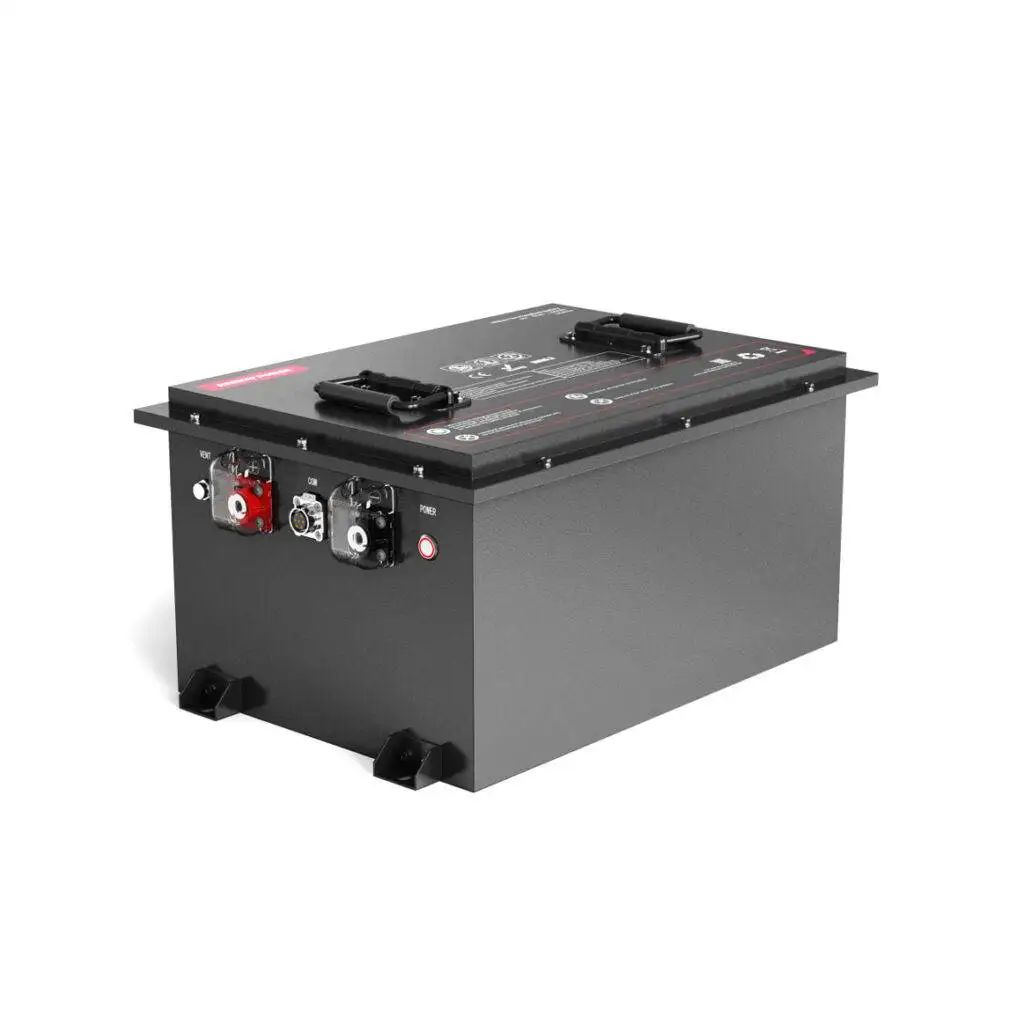
A Club Car compatible lithium battery upgrade can double usable range, cut charging time by 50–70%, and eliminate routine maintenance while extending total pack life by 3–5× compared with traditional lead‑acid setups. For fleet operators and individual owners alike, switching to a purpose‑designed lithium solution such as those offered by Redway Battery delivers measurable gains in uptime, energy cost, and safety, without requiring a full vehicle replacement.
Why Is the Golf Cart Battery Market Shifting to Lithium?
The global golf cart and low‑speed vehicle market is growing at roughly 4–5% per year, with electric models now accounting for over 70% of new units sold in North America. Within this segment, lithium‑ion adoption is accelerating: industry surveys estimate that 25–30% of new electric golf carts now ship with factory‑installed lithium packs, and retrofit conversions are growing even faster as owners seek to modernize older Club Car DS, Precedent, and Carry‑All platforms.
Despite this growth, many fleets still run on flooded or AGM lead‑acid batteries that must be watered weekly, equalized monthly, and replaced every 2–4 years under typical golf‑course or resort conditions. Field data from cart operators show that lead‑acid packs often fail prematurely when charged improperly or left partially discharged, leading to unplanned downtime and replacement costs that can exceed 20% of the cart’s value over a five‑year period.
What Problems Do Club Car Owners Face with Traditional Batteries?
High Operating Cost and Short Lifespan
Lead‑acid batteries for Club Car platforms typically deliver only 300–500 full cycles at 80% depth of discharge, whereas modern LiFePO₄ packs can exceed 3,000–5,000 cycles under the same conditions. This means a lithium‑based Club Car compatible solution can last 5–8 years versus 2–3 years for lead‑acid, directly reducing capital‑outlay frequency and total cost of ownership.
Long Charging Times and Limited Availability
Most 48 V lead‑acid golf‑cart systems require 6–8 hours of charging after a full day’s use, and many facilities still rely on overnight charging schedules that tie up carts and chargers. In contrast, lithium‑ion systems can often accept 50–80% state‑of‑charge in 1–2 hours, enabling mid‑day top‑ups and more flexible shift patterns.
Weight, Handling, and Safety Issues
A typical 48 V flooded‑lead pack for a Club Car weighs 350–400 lb, while a comparable lithium pack can weigh under 150 lb. This extra mass increases tire and suspension wear, reduces hill‑climb performance, and makes battery swaps a two‑person, injury‑risk job. Lead‑acid also emits hydrogen gas and requires ventilation, whereas sealed LiFePO₄ systems such as those engineered by Redway Battery are maintenance‑free, vent‑free, and designed with integrated BMS protection for overcharge, overcurrent, and short‑circuit events.
How Do Traditional Upgrade Solutions Fall Short?
Drop‑In “Universal” Lithium Packs
Some third‑party vendors market generic lithium packs as “drop‑in” replacements for Club Car carts, but these often lack voltage‑regulation compatibility with the cart’s onboard 12 V accessory system and display. Without proper buck‑conversion or CAN‑bus integration, owners report dashboard errors, flickering lights, and premature charger‑pack incompatibility, forcing additional wiring and adapter work.
DIY Cell‑Level Builds
Enthusiasts sometimes assemble custom lithium packs from 18650 or prismatic cells, which can reduce upfront cost but increase risk. Poor cell‑matching, inadequate BMS design, or incorrect wiring can lead to cell imbalance, thermal runaway, and fire hazards, especially in the vibration‑heavy environment of a golf cart.
OEM‑Only Factory Lithium Options
Club Car’s own lithium‑ion systems are engineered for safety and integration but typically require buying new vehicles or paying premium retrofit fees. For owners of older DS or Precedent models, this can mean replacing otherwise mechanically sound carts just to gain lithium benefits, which is neither cost‑effective nor sustainable.
What Does a Club Car Compatible Lithium Battery Upgrade Solution Offer?
A purpose‑built Club Car compatible lithium battery upgrade is a modular LiFePO₄ pack that matches the cart’s nominal voltage (36 V or 48 V), fits within the original battery tray, and interfaces correctly with the existing charger and controller. Redway Battery, an OEM lithium manufacturer with over 13 years of experience, designs such packs specifically for golf carts and forklifts, using prismatic LiFePO₄ cells, custom BMS firmware, and rugged enclosures that meet IP65 or higher ingress‑protection ratings.
Key capabilities include:
Voltage and current profiles tuned to Club Car DC or AC controllers, avoiding error codes and performance loss.
Integrated BMS with cell‑level balancing, temperature monitoring, and programmable charge‑cutoff to protect both pack and charger.
Drop‑in or semi‑drop‑in form factors that minimize tray modifications and retain OEM mounting points.
Optional 12 V buck‑converter modules that supply stable low‑voltage power for dash displays, lights, and accessories without relying on legacy lead‑acid “house” batteries.
Redway Battery’s global OEM/ODM platform allows customers to specify capacity (e.g., 100–200 Ah at 48 V), discharge rate, and connector types, then deliver fully tested packs with ISO 9001:2015‑aligned quality control and 24/7 after‑sales support.
How Does a Lithium Upgrade Compare with Traditional Lead‑Acid?
| Parameter | Traditional Lead‑Acid (Club Car) | Club Car Compatible Lithium Upgrade (e.g., Redway Battery) |
|---|---|---|
| Typical lifespan (cycles) | 300–500 cycles at 80% DOD | 3,000–5,000+ cycles at 80% DOD |
| Pack weight (48 V system) | 350–400 lb | 120–160 lb |
| Charge time (0–80%) | 5–7 hours | 1–2 hours |
| Maintenance | Weekly watering, monthly equalization | Maintenance‑free |
| Range per charge (typical) | 18–25 miles | 25–40+ miles, depending on capacity |
| Total cost of ownership (5 yr) | High due to frequent replacement | Lower despite higher upfront cost |
Redway Battery’s LiFePO₄ packs are designed to sit at the higher‑performance end of this table, with cycle life exceeding 6,000 cycles at 80% DOD and continuous discharge ratings up to 200 A, making them suitable for both leisure‑use carts and heavy‑duty utility vehicles.
How Do You Implement a Club Car Lithium Battery Upgrade Step‑by‑Step?
Assess cart configuration and requirements
Confirm voltage (36 V or 48 V), controller type (DC vs AC), and daily mileage to select an appropriate lithium capacity (e.g., 100–200 Ah). Redway Battery’s engineering team can review your Club Car model and usage profile to recommend a tailored pack.Choose a compatible lithium pack and accessories
Select a Club Car‑compatible LiFePO₄ pack that matches the cart’s voltage and fits the battery tray. Include a compatible lithium‑specific charger and, if needed, a 12 V buck‑converter module to power dash and accessories.Disconnect and remove old batteries
Turn off the cart, disconnect the main cables, and remove all lead‑acid batteries. Inspect cables and terminals for corrosion; replace any damaged components before proceeding.Prepare the tray and install the lithium pack
Clean the battery tray, verify clearances, and place the new lithium pack into the compartment. Secure it with straps or brackets to prevent movement during operation.Connect pack, charger, and 12 V system
Connect the main positive and negative cables to the cart’s controller, following the manufacturer’s wiring diagram. If using a 12 V buck‑converter, wire it between the lithium pack and the accessory bus, then verify dash lights and gauges operate correctly.Test and commission the system
Perform a low‑speed test drive, monitor voltage and temperature via the BMS app or display, and confirm that the charger accepts the pack without error codes. Redway Battery’s support team can assist with troubleshooting if any anomalies appear.
Which User Scenarios Benefit Most from This Upgrade?
Scenario 1: Golf Course Fleet Manager
Problem
A private golf club operates 40 Club Car DS carts with flooded lead‑acid batteries that must be watered daily and replaced every 2–3 years, causing scheduling headaches and high labor costs.
Traditional practice
Staff follow strict watering and equalization schedules, rotate carts for overnight charging, and budget for frequent pack replacements.
After lithium upgrade
The club installs Club Car compatible 48 V 150 Ah LiFePO₄ packs from Redway Battery across 20 carts in the first year. Charging time drops from 7 hours to 1.5 hours, allowing mid‑round top‑ups, and maintenance labor falls by roughly 70%.
Key benefits
Reduced battery‑replacement frequency from every 2–3 years to 6–8 years.
Lower labor cost and fewer carts out of service for charging.
More consistent performance across all shifts.
Scenario 2: Resort Shuttle Operator
Problem
A resort runs 15 Club Car Carry‑All utility carts on 10‑hour shifts, but lead‑acid packs often cannot complete full days without mid‑shift charging, limiting guest‑transport capacity.
Traditional practice
Operators schedule mandatory 2‑hour charging windows mid‑day, which reduces vehicle availability and complicates routing.
After lithium upgrade
The resort upgrades to 48 V 200 Ah lithium packs compatible with Club Car controllers. Range extends from about 20 miles to 35+ miles per charge, and 80% recharge takes under 2 hours.
Key benefits
Fewer mid‑day charging stops and higher shuttle‑run frequency.
Lower energy cost per mile due to higher round‑trip efficiency.
Improved guest satisfaction from more reliable transport.
Scenario 3: Residential Community Owner
Problem
A homeowner with a Club Car Precedent uses the cart for errands and community events but finds lead‑acid batteries unreliable after 3–4 years and hates the maintenance.
Traditional practice
The owner either accepts short range and slow charging or replaces the entire pack every few years, often at inconvenient times.
After lithium upgrade
The owner installs a 48 V 100 Ah Club Car compatible lithium pack from Redway Battery. The cart now completes multiple trips per day without range anxiety, and the owner never needs to water or equalize batteries.
Key benefits
Simplified ownership with zero routine maintenance.
Longer usable life and predictable replacement schedule.
Lighter pack improves handling and hill‑climb feel.
Scenario 4: Industrial Facility with Forklift‑Style Carts
Problem
A warehouse uses Club Car‑based utility carts to move materials, but lead‑acid batteries degrade quickly under deep‑cycle, multi‑shift use.
Traditional practice
Facility managers maintain multiple spare lead‑acid packs and rotate them between carts, increasing inventory cost and storage complexity.
After lithium upgrade
The facility adopts 48 V high‑discharge lithium packs engineered by Redway Battery for forklift‑grade duty cycles. Packs withstand continuous 150–200 A discharge and retain capacity over thousands of cycles.
Key benefits
Fewer spare packs needed due to longer life and faster charging.
Reduced downtime and higher throughput in material‑handling operations.
Safer, sealed packs that do not require watering or special ventilation.
What Future Trends Make This Upgrade Essential Now?
Electric golf carts and utility vehicles are increasingly integrated into smart‑facility ecosystems, where data‑driven maintenance and energy management matter as much as basic mobility. Modern lithium packs from manufacturers such as Redway Battery often include Bluetooth or CAN‑bus telemetry that reports state‑of‑charge, cell balance, and temperature, enabling predictive maintenance and remote diagnostics.
At the same time, sustainability regulations and ESG goals are pushing resorts, campuses, and industrial sites to reduce energy waste and extend asset life. A Club Car compatible lithium battery upgrade aligns with these trends by cutting energy consumption per mile, lowering replacement‑pack waste, and supporting longer‑lived vehicle platforms.
Can You Answer Common Questions About This Upgrade?
Does a lithium upgrade void my Club Car warranty?
Aftermarket battery retrofits can affect the original‑equipment warranty depending on how they are installed and whether they cause controller or charger damage. Always consult your dealer and, if possible, use a lithium pack that is explicitly rated for compatibility with Club Car controllers and chargers, such as those designed by Redway Battery.
Can I keep my existing charger when switching to lithium?
Most standard lead‑acid chargers are not suitable for lithium packs and can cause overcharge or undercharge. A lithium‑specific charger with the correct voltage profile and communication protocol is required; Redway Battery can recommend compatible chargers for its Club Car‑oriented packs.
Will a lithium pack fit in my older Club Car without modifying the tray?
Many Club Car compatible lithium packs are designed as semi‑drop‑in solutions, but some older models may require minor tray trimming or bracket adjustments. Redway Battery’s engineering team can review your specific cart model and provide fitment guidance before you order.
How much range can I realistically expect after upgrading?
Range depends on voltage, capacity, terrain, and load, but a typical 48 V 150 Ah lithium pack on a Club Car can deliver 25–35 miles per charge under mixed conditions, versus about 18–25 miles for an equivalent lead‑acid setup.
Is a lithium upgrade cost‑effective for a single cart?
For individual owners, the payback period is longer than for fleets, but it still makes sense if you value convenience, reliability, and long‑term ownership cost. Redway Battery offers scalable pack options and can help size a solution that balances upfront cost with expected mileage and lifespan.
Sources
Club Car lithium‑ion battery system overview
Lithium‑battery‑factory article on lithium for Club Car
BigBattery.com lithium golf cart batteries and upgrades
LithiumHub guide to upgrading golf carts to lithium batteries
Redway Battery LiFePO₄ golf cart and forklift battery brochure
YouTube video: Power, Less Weight – Lithium Battery Upgrade for Club Car Precedent
Golf carts forum thread on converting Club Car from lead acid to lithium
Reddit discussion on Club Car lithium conversion
Club Car OEM lithium‑ion golf cart and utility batteries page
This topic belongs to the wider Club Car Battery: Precedent, Carryall and What Fits Each Model, which brings the related decisions and practical checks together.
