




REDWAY BATTERY / KNOWLEDGE
How can a 72V 100Ah lithium battery upgrade sightseeing and shuttle carts?
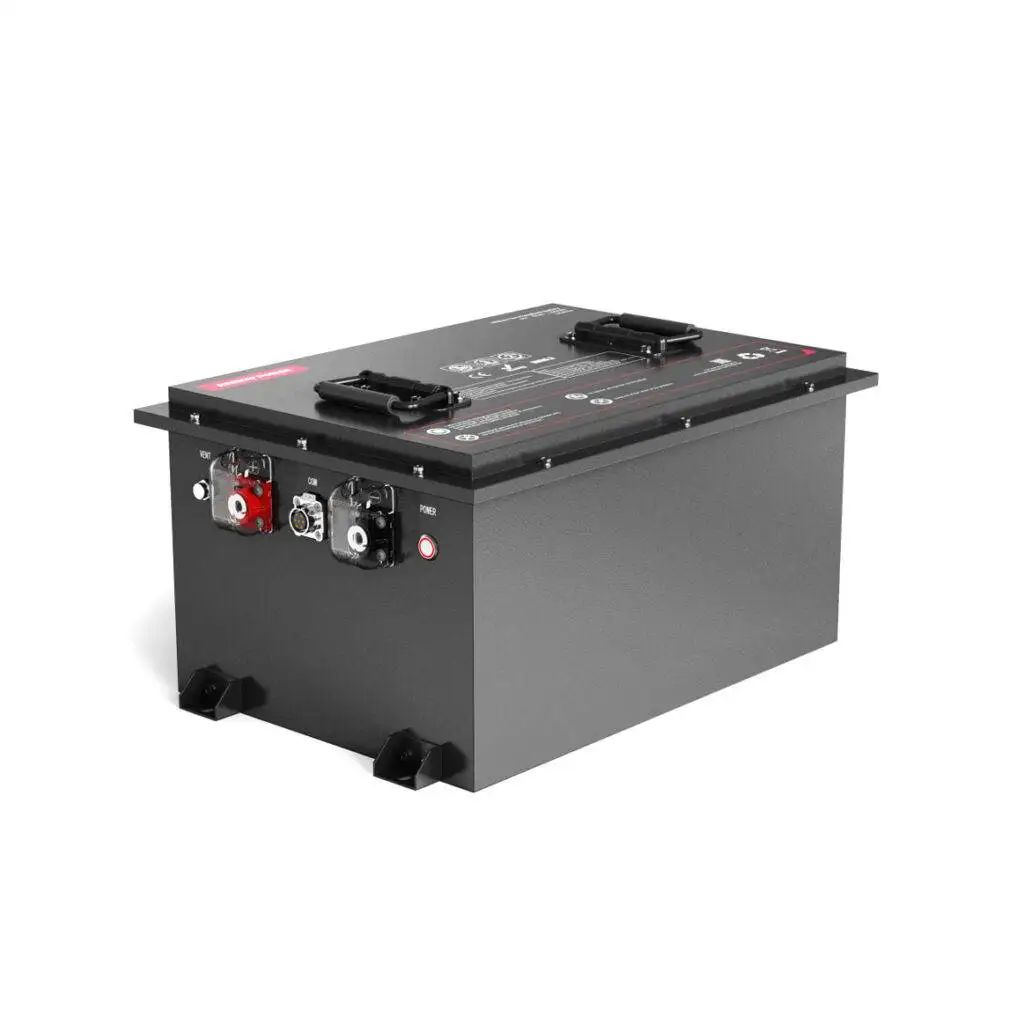
Sightseeing and shuttle operators are rapidly shifting from lead‑acid to lithium systems because they need longer runtime, fewer breakdowns, and lower lifecycle costs, and a 72V 100Ah lithium pack directly targets these goals with higher energy density, fast charging, and long cycle life for daily commercial operation. A specialized OEM like Redway Battery helps operators move from obsolete power systems to safe, customizable LiFePO4 packs that can support intensive duty cycles, steep routes, and heavy passenger loads with predictable performance and TCO.
How is the sightseeing and shuttle cart industry changing and what pain points are emerging?
Global electric low‑speed vehicle (LSV) and golf/sightseeing cart demand is growing as resorts, campuses, and parks decarbonize internal transport, but many fleets still rely on flooded lead‑acid batteries that were designed for lighter, less intensive use.
Operators report that carts often require mid‑day charging or battery swaps during peak visitor hours, directly impacting service continuity and guest satisfaction.
As ridership and route lengths increase, operators need higher‑voltage, higher‑capacity systems such as 72V 100Ah lithium packs to carry more passengers, climb gradients, and maintain speed without excessive battery stress.
Industry benchmarks show that well‑designed LiFePO4 packs can achieve 3,000–6,000+ cycles at 80% depth of discharge, while typical lead‑acid packs only deliver around 300–500 cycles, causing frequent replacements and higher lifecycle cost.
Electric mobility and energy storage trends also push operators to demand better safety, with stable chemistries, intelligent battery management systems (BMS), and certifications for transport and installation.
In this context, companies like Redway Battery, with multi‑factory capacity, ISO 9001:2015 quality systems, and OEM/ODM engineering, are increasingly selected as long‑term partners for cart manufacturers and fleet owners.
What are the main pain points of current sightseeing and shuttle cart power systems?
The most critical pain point is runtime: traditional 48V or 60V lead‑acid packs struggle to support full‑day operation on demanding routes without slow‑downs or extra charging windows.
Maintenance is another key issue, as flooded lead‑acid requires regular watering, terminal cleaning, and equalization charges, leading to hidden labor costs and frequent unplanned downtime.
Weight is also a problem: heavy lead‑acid banks reduce passenger capacity, stress suspensions and brakes, and worsen climbing performance on hills common in resorts or scenic areas.
Charge time and charging flexibility create further friction, since many fleets cannot take carts out of service for 8–10 hours for a full charge on busy days.
Replacement frequency is high with intensive commercial use, so operators face recurring capital expenditures every 1–3 years when using lead‑acid under deep‑discharge conditions.
These challenges drive interest in robust 72V 100Ah lithium solutions that provide higher usable energy, less degradation, and predictable scheduling for fleet managers.
Why are traditional battery solutions no longer enough for modern carts?
Traditional flooded or AGM lead‑acid batteries were optimized for lower energy throughput and shallower daily cycling, not for continuous shuttle operation with high passenger load and frequent starts and stops.
Their relatively low usable capacity (often only 50–60% of rated Ah if you want to preserve life) forces operators either to oversize packs or accept shorter battery life and degraded performance.
Voltage sag under high current draw is common, which translates into sluggish acceleration on inclines and reduced top speed late in the shift.
Lead‑acid chemistry also suffers in hot or very cold conditions, which are typical in outdoor attractions, campuses, and industrial sites, reducing both capacity and cycle life.
Even sealed lead‑acid variants cannot compete with lithium on energy density, so vehicles end up heavier than needed, impacting tire wear, braking distance, and comfort.
As safety and environmental regulations tighten, the risk of acid leaks and the need to manage hazardous waste add compliance and disposal costs that many operators underestimate.
What makes a 72V 100Ah lithium battery a superior solution for sightseeing and shuttle carts?
A 72V 100Ah lithium (typically LiFePO4) pack provides about 7.2–8.0 kWh of energy with high usable capacity, allowing carts to operate longer routes or multiple shifts with reduced range anxiety.
High system voltage (72V) helps lower current for the same power, which reduces cable losses, heat generation, and stress on contactors and controllers, improving overall system efficiency.
LiFePO4’s long cycle life (often 3,000–6,000+ cycles at 80% DOD under proper design) translates to 8–10+ years of daily use in many shuttle applications, significantly reducing replacement frequency.
An integrated smart BMS offers protections against over‑charge, over‑discharge, over‑current, short circuit, and temperature extremes while enabling cell balancing to keep the pack healthy.
Lithium packs are typically 40–60% lighter than equivalent lead‑acid systems, which can be converted into extra passenger capacity, better climbing performance, or lower stress on chassis components.
Manufacturers like Redway Battery further enhance this solution by providing engineered enclosures, communication interfaces (CAN/RS485), and OEM‑grade integration support tailored to existing carts or new designs.
Which advantages does Redway Battery bring to 72V 100Ah lithium cart solutions?
Redway Battery focuses on LiFePO4 packs for traction applications like forklifts, golf carts, and utility vehicles, which closely match the duty profiles of sightseeing and shuttle carts.
With over 13 years of industry experience and four factories covering around 100,000 ft², Redway can scale from pilot projects to large fleet rollouts while maintaining consistent quality control.
Redway’s ISO 9001:2015 certification, automated production, and MES tracking help ensure traceability from cell to finished pack, a critical factor for safety‑sensitive commercial fleets.
The company’s engineering team supports full OEM/ODM customization, including voltage, capacity (e.g., 72V 50Ah, 72V 100Ah, 72V 200Ah), mechanical form factor, and communication protocols.
For sightseeing and shuttle carts, Redway Battery typically designs LiFePO4 packs with metal enclosures, robust mounting, and IP‑grade sealing to handle vibration, rain exposure, and dust.
Global shipment experience, standard documentation, and 24/7 after‑sales support allow fleet operators to integrate and maintain the systems with confidence, even across multiple sites.
How does a 72V 100Ah lithium solution compare to traditional systems?
Solution advantages table: traditional vs 72V 100Ah lithium (example for shuttle carts)
| Aspect | Traditional lead‑acid pack | 72V 100Ah lithium (LiFePO4) solution |
|---|---|---|
| Nominal system voltage | 48–60V typical | 72V for higher efficiency and power |
| Usable capacity | ~50–60% of rated Ah to preserve life | ~80–90% of rated 100Ah usable daily |
| Cycle life | ~300–500 cycles at 50% DOD | ~3,000–6,000+ cycles at 80% DOD |
| Weight | Heavy; limits passengers and performance | 40–60% lighter at same energy |
| Charge time | 8–10 hours typical | 1–3 hours (depending on charger and C‑rate) |
| Maintenance | Regular watering, cleaning, equalization | Virtually maintenance‑free |
| Voltage sag | Pronounced under high load, sluggish climbs | Minimal sag, stable power on hills |
| TCO over 8 years | Multiple pack replacements required | Often one pack for entire period |
| Safety | Risk of acid spill, gassing | Stable LiFePO4 chemistry, sealed pack |
| Environmental impact | Lead handling and recycling needed | Longer life, no liquid acid |
This comparison illustrates why many modern sightseeing and shuttle fleets plan their next vehicle generation around 72V 100Ah lithium architectures instead of legacy lead‑acid.
How can operators implement a 72V 100Ah lithium solution step by step?
Define operational requirements
Map routes, daily mileage, passenger load, and expected gradients.
Determine desired runtime between charges (e.g., single or double shift), ambient temperature range, and charging windows.
Select or customize the battery pack
Choose a 72V 100Ah LiFePO4 configuration aligned with vehicle controller specs, space constraints, and mounting options.
Work with an OEM like Redway Battery to define enclosure, BMS settings, communication, and safety certifications.
Upgrade charging infrastructure
Specify matched lithium chargers with proper voltage, current, and charge profile.
Plan centralized or distributed charging stations, including ventilation and electrical capacity.
Integrate battery and BMS into the vehicle
Install the pack with proper mechanical fixing, cable sizing, fusing, and emergency disconnects.
Connect the BMS to the controller/dashboard for SOC, alarms, and fault reporting as needed.
Test, train, and roll out
Run pilot tests on representative routes to validate range, performance, and charging strategy.
Train drivers and maintenance staff on lithium‑specific best practices, safety, and monitoring.
Gradually standardize across the fleet and retire lead‑acid packs as they reach end of life.
What real‑world use cases show the impact of 72V 100Ah lithium packs?
Resort sightseeing carts
Problem: A coastal resort’s lead‑acid carts slowed significantly on afternoon trips and required water top‑ups every week, causing guest complaints and unplanned downtime.
Traditional approach: Oversized lead‑acid banks and mid‑day charging, which still left some vehicles short on peak days.
After using 72V 100Ah lithium: Carts completed full‑day scenic loops with consistent speed and better hill performance, even on hot days.
Key benefits: Fewer carts taken out of service, reduced maintenance labor, improved guest experience, and extended replacement intervals.
University campus shuttle
Problem: A large campus used older 48V carts that could not cover expanded shuttle routes between remote parking and lecture halls without battery swaps.
Traditional approach: Manual pack swapping and deployment of additional vehicles to maintain schedules.
After using 72V 100Ah lithium: Upgraded shuttles completed longer circuits on a single charge, with fast evening recharging.
Key benefits: Lower fleet size required for the same service level, simpler logistics, and higher reliability during exam and event periods.
Industrial site staff transport
Problem: A manufacturing complex needed to move staff and visitors between buildings, including ramps and long internal roads, where lead‑acid carts often stalled under heavy load.
Traditional approach: Frequent battery replacements, occasional towing of stalled carts, and restricted passenger numbers per trip.
After using 72V 100Ah lithium: Vehicles handled maximum passenger loads and inclines without performance drop, even late in the shift.
Key benefits: Higher productivity, fewer disruptions, and better safety perception among staff and visitors.
Theme park shuttle trains
Problem: A theme park operated multi‑car shuttles, and voltage sag from lead‑acid packs caused jerky starts and slower lap times during peak afternoon hours.
Traditional approach: Rotating vehicles off the line for recharging and accepting slower circulation speeds.
After using 72V 100Ah lithium: Shuttles maintained steady acceleration and speed throughout the day, with overnight fast charging.
Key benefits: Higher ride throughput, shorter queues, and improved operational planning based on predictable battery performance.
Where is the technology heading and why act now?
Lithium battery prices per kWh have been trending downward while performance (energy density, cycle life, and charge rates) continues to improve, making 72V 100Ah packs more accessible for mid‑size fleets.
Regulatory and customer pressure for quiet, low‑emission internal transport will likely intensify, favoring fleets that have already standardized on efficient, long‑life lithium platforms.
Future vehicle designs are increasingly optimized around high‑voltage lithium systems, so early adopters gain experience integrating BMS data into fleet management, predictive maintenance, and energy optimization.
By transitioning now, operators can align fleet replacement cycles with technology and price inflection points, avoiding another full purchase of lead‑acid packs that would lock them into older performance levels for years.
Partnering with a specialized OEM such as Redway Battery allows fleets to secure tailored 72V 100Ah solutions and implement them systematically across sightseeing and shuttle operations.
This positions operators to deliver better passenger experience, lower total cost of ownership, and more sustainable mobility within their properties.
FAQ
Is a 72V 100Ah lithium battery safe for passenger‑carrying carts?
Yes, when using stable chemistries such as LiFePO4, combined with a certified BMS, proper enclosure, and correct installation, 72V 100Ah systems are well suited to passenger transport applications.
Can existing lead‑acid sightseeing carts be converted to 72V 100Ah lithium?
In many cases, yes, provided that the controller, motor, and mechanical layout are compatible; this often involves working with an OEM to design a drop‑in or semi‑custom pack and updating chargers and protections.
What runtime can I expect from a 72V 100Ah battery on a shuttle cart?
Actual runtime depends on vehicle weight, route profile, driving style, and accessories, but fleets frequently achieve a full working shift or more at typical shuttle power levels with proper system design.
How long does a 72V 100Ah LiFePO4 battery last in commercial use?
With appropriate charging, temperature management, and BMS settings, such packs commonly deliver several thousand cycles, which can equate to 8–10 or more years of daily operation for many sightseeing and shuttle fleets.
Does switching to lithium reduce my total cost of ownership?
Although the upfront cost is higher than lead‑acid, the longer cycle life, reduced maintenance, higher energy efficiency, and fewer replacements generally lower the cost per operating hour over the battery’s lifetime.
Sources
https://wis-tek.com/blogs/knowledge/understanding-72v-100ah-lifepo4-battery-pack-technology
https://manlybattery.com/72v-lithium-battery-ultimate-users-guide-in-2023/
https://bslbatt.com/blogs/lithium-battery-price-2025-current-costs-trends-and-changes/
https://www.redwaybattery.com/zh-CN/product-category/72v-lifepo4-batteries/
https://cn.ainbattery.com/lithium-battery-18650-72v-100ah.html
For the surrounding sizing, selection, installation and maintenance decisions, continue with the Golf Cart Battery: Operation and Practical Guidance — Part 2.
