




REDWAY BATTERY / KNOWLEDGE
How can a 72V 160Ah LiFePO4 battery transform modern golf carts?
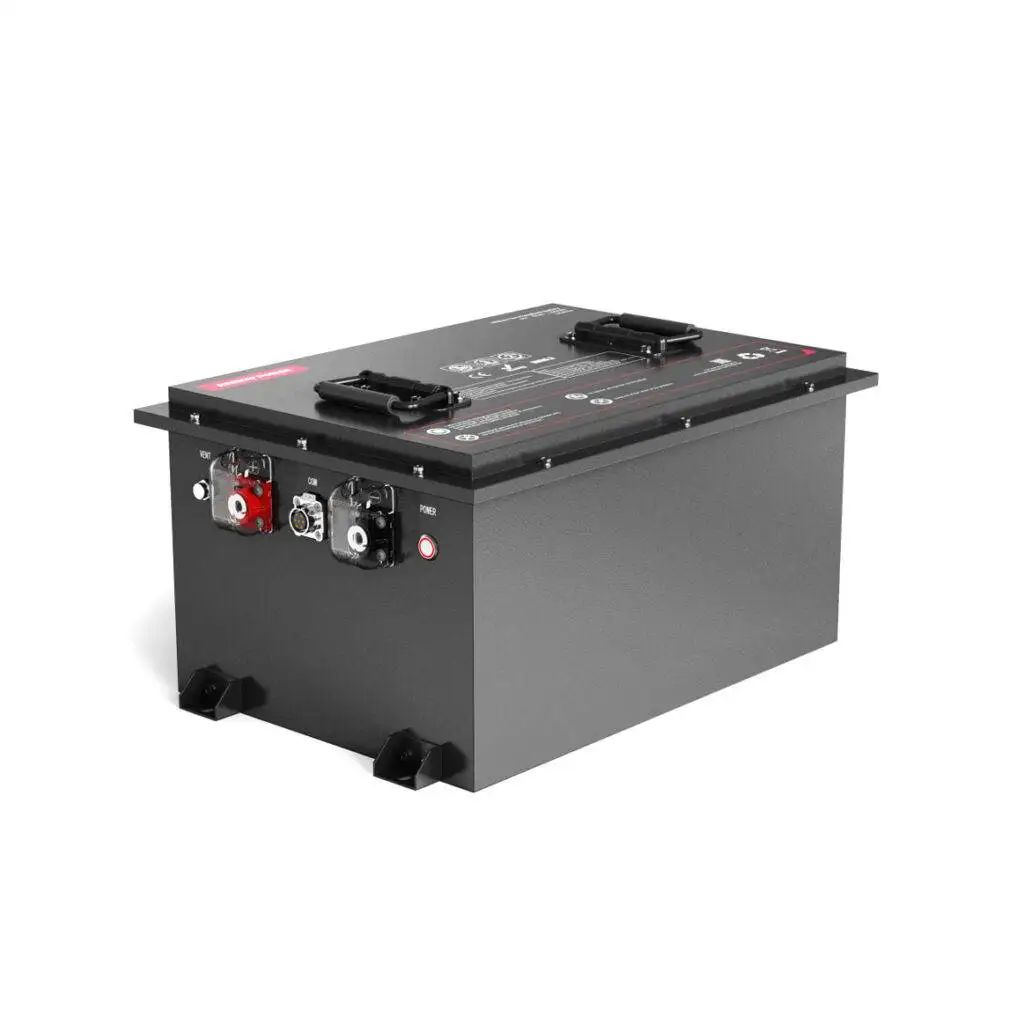
A 72V 160Ah LiFePO4 battery unlocks higher torque, longer range, and lower lifecycle cost for golf carts, making it a critical upgrade path for fleets and high-demand users. When combined with an experienced OEM like Redway Battery, operators can move from lead-acid limitations to a safer, data-driven energy platform tailored to commercial and personal carts.
How is the golf cart power industry changing and what pain points are emerging?
Market data shows golf cart and low-speed EV adoption growing rapidly in resorts, gated communities, industrial parks, and campuses, pushing fleets to run longer hours with higher passenger and cargo loads. At the same time, many carts still rely on 36V–48V lead-acid packs originally designed for light, intermittent use, not continuous multi-shift operation. This gap between usage intensity and battery technology leads directly to performance bottlenecks and rising total cost of ownership.
Operators report several recurring pain points:
Insufficient range under heavy load or hilly terrain, forcing mid-day charging or backup carts.
Noticeable power sag near the end of the discharge curve, impacting acceleration and safety on slopes.
Frequent maintenance downtime for watering, cleaning terminals, and replacing failed lead-acid packs.
Space and weight constraints that limit upgrades, accessories, or passenger capacity.
A 72V 160Ah LiFePO4 system targets exactly these pain points: higher nominal voltage for stronger motors, large usable capacity, and long cycle life suited to intensive commercial and community operations.
What specific problems do traditional lead-acid golf cart batteries create?
Traditional flooded or AGM lead-acid packs in golf carts commonly cause:
Limited cycle life: Often 500–1,000 cycles to 80% of capacity under real-world conditions, leading to replacement every 2–4 years in busy fleets.
Shallow usable capacity: Practical depth of discharge is usually kept around 50%–60% to avoid rapid degradation, so a “nominal” pack delivers much less usable energy in daily use.
Heavy weight: Lead-acid batteries dramatically increase cart mass, reducing acceleration, stressing suspensions, and wasting energy on flat and hilly courses.
High maintenance overhead: Watering, corrosion cleaning, torque checks on terminals, and equalization charges are routine, time-consuming tasks.
Long charging times: Overnight charging (8–10 hours) is often necessary, making it hard to support multi-shift operations or rental fleets with fast turnover.
These limitations become especially severe when carts are upgraded with lift kits, bigger tires, extra seating, or utility bodies, all of which require higher continuous power and torque.
Why does a 72V 160Ah LiFePO4 configuration resolve these issues more effectively?
A 72V 160Ah LiFePO4 battery optimizes voltage, energy, and current capability in a way that aligns with the real demands of modern golf carts:
Higher system voltage (72V vs 48V) reduces current for the same power, cutting cable losses and improving overall efficiency.
160Ah of capacity at 72V gives a large energy budget, enabling extended range even at higher speeds or with added accessories such as lights, sound systems, or utility loads.
LiFePO4 chemistry supports deep discharge (often up to 80–90% usable capacity) without the rapid degradation typical of lead-acid.
Flat discharge curve means the cart maintains strong performance until the battery is nearly empty, improving drivability and safety.
Integrated BMS protection ensures controlled operation, reducing the risk of over-discharge, overcharge, and thermal issues.
When engineered and assembled by a specialist like Redway Battery, this configuration can be delivered as a drop-in or semi-custom solution designed to fit standard or modified golf cart chassis.
What core capabilities does a 72V 160Ah LiFePO4 solution from an OEM like Redway Battery provide?
A well-designed 72V 160Ah LiFePO4 system delivers several core functional capabilities:
High continuous and peak current output: Supports strong acceleration, hill-climbing, and towing without voltage sag.
Long cycle life: Properly managed LiFePO4 cells can reach several thousand cycles to 80% capacity, drastically lengthening replacement intervals.
Intelligent battery management: Built-in BMS with cell balancing, temperature sensing, short-circuit, over-current, and over/under-voltage protection.
Fast charging compatibility: Ability to support higher charge currents, enabling partial or full recharge within a few hours when paired with the right charger.
Data and diagnostics: Options such as SOC display, CAN/RS485 communication, Bluetooth monitoring, or integration with fleet management platforms.
As an OEM/ODM manufacturer, Redway Battery can tune pack dimensions, connector types, BMS settings, and enclosure protection levels for specific cart brands, motor controllers, and operating environments.
How does a 72V 160Ah LiFePO4 golf cart solution compare to traditional systems?
Which performance and cost metrics highlight the advantages?
| Metric | Traditional lead-acid pack (36–48V) | 72V 160Ah LiFePO4 solution (e.g., Redway Battery) |
|---|---|---|
| Nominal system voltage | 36–48V | 72V |
| Usable capacity (daily) | ~50–60% of rated Ah | ~80–90% of rated Ah |
| Typical cycle life | 500–1,000 cycles | Several thousand cycles |
| Weight | High, very heavy | Significantly lower at same usable energy |
| Charging time | 8–10 hours (overnight) | Often 2–5 hours with proper charger |
| Maintenance | Regular watering, cleaning, checks | Near zero routine maintenance |
| Power delivery | Noticeable sag as SOC drops | Flat, stable voltage over most of discharge |
| Total cost of ownership (5–8y) | Multiple pack replacements | Usually 1 pack, fewer service interventions |
| Environmental impact | Lead handling and recycling required | No free liquid acid, more efficient energy usage |
| By quantifying these dimensions, fleet managers can calculate lifecycle cost per kilometer or per rental hour and see where LiFePO4 begins to outperform legacy options. |
How can users implement a 72V 160Ah LiFePO4 solution step by step?
A practical deployment roadmap typically follows these steps:
Requirement assessment
Define average and peak load, passenger count, terrain, daily mileage, and operating hours.
Decide whether you need maximum range, maximum power, or a balance of both.
System design and specification
Confirm motor and controller compatibility with 72V operation.
Determine pack dimensions, mounting points, IP rating, and ventilation needs.
OEM/ODM engagement
Share detailed technical and mechanical requirements with Redway Battery (drawings, connectors, communication protocol, safety standards).
Co-define BMS parameters (current limits, temperature windows, SOC calibration).
Installation and integration
Remove old lead-acid pack and inspect wiring, contactors, and fuses.
Install the 72V 160Ah pack, secure mechanical mounting, and connect power and signal lines.
Commissioning and testing
Run initial charge/discharge tests, confirm SOC accuracy, monitor temperature and current under typical load.
Validate range and performance on representative routes or courses.
Training and SOP rollout
Train operators and maintenance staff on charging habits, safety checks, and monitoring tools.
Update maintenance schedules to reflect reduced routine tasks and focus on periodic inspections.
Data-driven optimization
Use logged data from the BMS or telematics to fine-tune driving policies, charging windows, and capacity planning for future fleets.
What are four typical user scenarios for a 72V 160Ah LiFePO4 golf cart battery?
Scenario 1: Golf course fleet under heavy daily use
Problem: 18–36-hole courses running carts from sunrise to late afternoon found that lead-acid packs could not reliably support full days, especially in hot weather and hilly sections.
Traditional approach: Oversizing fleets and rotating carts to allow mid-day charging, plus frequent battery replacements every few seasons.
After using 72V 160Ah LiFePO4: Carts consistently complete multiple rounds without mid-day charging, with stronger hill performance and fewer breakdowns.
Key benefits: Higher cart availability, reduced fleet size requirements, and lower long-term battery and labor costs.
Scenario 2: Resort and community shuttle carts
Problem: Resorts, hotels, and gated communities operate carts as 24/7 shuttles, often overloaded with passengers and luggage, causing early battery failures.
Traditional approach: Some operators added additional lead-acid packs or accepted reduced range and sluggish performance at the end of the day.
After using 72V 160Ah LiFePO4: Shuttles maintain consistent speed and torque across long shifts, with opportunity charging during off-peak hours.
Key benefits: Improved guest experience, fewer service interruptions, and predictable energy budgeting for operations.
Scenario 3: Industrial and campus utility carts
Problem: Maintenance and logistics teams in factories, warehouses, and large campuses need carts to tow trailers or carry tools throughout long shifts.
Traditional approach: Use of lead-acid carts with limited towing capacity, resulting in range anxiety and frequent charging stops.
After using 72V 160Ah LiFePO4: Carts tow heavier loads with reliable torque, and single-charge range often covers entire shifts, even with stop-and-go duty.
Key benefits: Higher productivity per vehicle, ability to consolidate multiple carts into fewer high-performance units, and reduced maintenance overhead.
Scenario 4: Customized high-performance recreational carts
Problem: Enthusiasts upgrade motors, controllers, lift kits, and tires, only to find that stock lead-acid packs cannot deliver the current or range needed.
Traditional approach: Repeated replacement of lead-acid packs, limiting speed settings, or removing accessories to save energy.
After using 72V 160Ah LiFePO4: Custom carts achieve higher peak power and longer runs at upgraded speeds, while still maintaining safe thermal behavior via the BMS.
Key benefits: Enhanced driving experience, more reliable performance for events or long rides, and a cleaner installation with less battery weight.
Why is now the right time to move to 72V 160Ah LiFePO4 and what future trends are emerging?
Several trends make upgrading to a high-capacity LiFePO4 system both timely and strategically important:
Rising energy costs and labor expenses increase the penalty for inefficient, high-maintenance lead-acid systems.
Customers and regulators are pushing for lower emissions and more sustainable operations, including smaller, efficient electric fleets.
Motor and controller technology is increasingly optimized for higher-voltage systems, allowing better performance when paired with 72V packs.
Over the next years, expect greater integration between batteries, chargers, telematics, and fleet management platforms, with real-time data used to predict failures, optimize charging windows, and right-size fleets. As an OEM with multi-application experience (golf carts, forklifts, RVs, storage), Redway Battery is well-positioned to customize 72V 160Ah LiFePO4 solutions that align with these trends and provide a scalable energy backbone for future operations.
Can common questions about 72V 160Ah LiFePO4 golf cart batteries be answered clearly?
Is a 72V 160Ah LiFePO4 battery compatible with my existing golf cart?
Compatibility depends on the motor, controller, and OEM voltage rating of the cart. Many 72V carts can adopt a 72V 160Ah pack directly, while 36V or 48V carts may require controller and motor upgrades. A technical review with a supplier like Redway Battery helps define a safe migration path.
What range can I expect from a 72V 160Ah LiFePO4 battery in a golf cart?
Actual range depends on cart weight, terrain, driving style, and accessory load. In practice, this configuration is designed to support long daily routes where a single full charge can cover typical multi-round or multi-shift operations without mid-day recharging.
How long does a 72V 160Ah LiFePO4 battery last before needing replacement?
Under proper charging and temperature conditions, LiFePO4 systems can achieve several thousand full cycles while retaining most of their original capacity. In many golf cart applications, this translates into many years of daily service before replacement is necessary.
Can a 72V 160Ah LiFePO4 pack be fast-charged safely?
Yes, if the charger is correctly matched to the battery’s voltage, current rating, and BMS parameters. A well-designed pack from an OEM such as Redway Battery will specify allowable charge currents and recommend compatible chargers for safe, efficient fast charging.
Does switching from lead-acid to LiFePO4 require major changes to maintenance routines?
Maintenance routines typically become simpler. Operators no longer need to top up water or clean corrosion, and inspections focus on occasional checks of connectors, mounting hardware, and monitoring data from the BMS or display.
Are 72V 160Ah LiFePO4 batteries safe for outdoor and humid environments like golf courses?
LiFePO4 chemistry is recognized for its stable thermal behavior, and properly engineered packs use robust enclosures, sealing, and BMS protections. Choosing a manufacturer with experience in outdoor EV applications is crucial to ensuring reliability in such conditions.
Sources
This topic belongs to the wider LiFePO4 Golf Cart Battery Specs: Reading Voltage and Ah Together, which brings the related decisions and practical checks together.
