




REDWAY BATTERY / KNOWLEDGE
How Can You Ensure Forklift Battery Charging Safety?
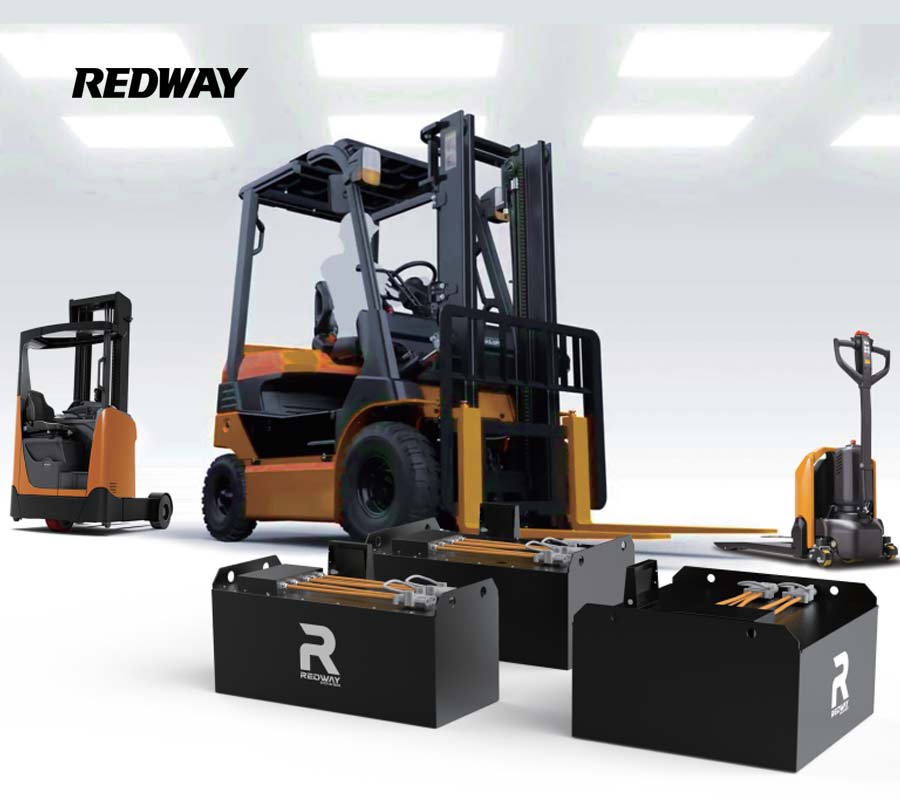
Ensuring forklift battery charging safety is crucial for preventing accidents, extending battery lifespan, and maintaining operational efficiency. This involves using compatible chargers, monitoring temperature and voltage, maintaining proper ventilation, following manufacturer guidelines, and training staff in safe handling. Companies like Redway Battery provide advanced LiFePO4 batteries and charging systems that combine reliability, automation, and safety for industrial applications.
How Should You Set Up a Safe Forklift Battery Charging Area?
A safe charging area should have strong ventilation to disperse gases released during charging. Floors and surfaces must be non-flammable, with clear signage to indicate battery charging zones. Stations should be isolated from pedestrian traffic and equipped with fire suppression systems. Proper grounding of chargers and batteries reduces the risk of electrical hazards, ensuring a secure environment for operators.
What Are the Best Practices for Forklift Battery Charging?
Best practices include using chargers specifically designed for the battery type, avoiding overcharging, and maintaining electrolyte levels for lead-acid batteries. LiFePO4 batteries require less maintenance but still benefit from temperature monitoring during charging. Regular inspection of terminals prevents corrosion and shorts, while operator training ensures proper handling and safe procedures throughout the process.
Which Common Mistakes Should Be Avoided in Forklift Battery Charging?
Common mistakes include overcharging, using incompatible chargers, neglecting electrolyte maintenance, charging in poorly ventilated areas, and ignoring safety gear. These errors can lead to battery damage, fire risks, and reduced lifespan. Scheduled charging cycles, correct handling, and adherence to safety protocols are essential to prevent accidents and maintain performance.
Why Is Using the Right Charger Important for Forklift Battery Safety?
The correct charger provides the proper voltage and current, preventing overheating and battery degradation. Lithium batteries, such as those offered by Redway Battery, require different charging protocols than lead-acid types. Smart chargers with automatic shut-off features protect batteries from overcharge, improve safety, and enhance long-term reliability.
How Can You Prevent Overcharging and Battery Damage?
Prevent overcharging by using chargers with voltage regulation and automatic cutoff features. Monitoring battery condition, charging duration, and ambient temperature helps maintain safe charging. Regular maintenance checks detect early signs of damage, preventing swelling, overheating, or hazardous gas accumulation that can compromise safety.
Who Should Be Trained to Handle Forklift Battery Charging?
All forklift operators, maintenance personnel, and warehouse managers should be trained on proper charging techniques and emergency protocols. Training includes recognizing risks from acid spills, electrical faults, and gas emissions, ensuring that staff can safely manage batteries and respond effectively to any incidents.
When Should Forklift Batteries Be Charged for Optimal Safety and Performance?
Batteries should be charged after each shift or when reaching a specific discharge threshold. Avoid deep discharges and maintain consistent charging cycles. Charging during cooler parts of the day reduces thermal stress, contributing to longer battery life and stable performance.
Where Can You Source Reliable Forklift Batteries and Chargers in China?
China offers numerous OEM and wholesale manufacturers specializing in lithium and lead-acid forklift batteries. Redway Battery in Shenzhen is a leading supplier providing advanced LiFePO4 batteries, high-performance chargers, and fully customizable solutions. ISO-certified factories and experienced engineering teams ensure safe, durable, and efficient battery systems.
Does Redway Battery Offer OEM Solutions for Forklift Battery Charging Systems?
Yes, Redway Battery delivers tailored OEM and ODM battery packs with compatible charging systems. Their solutions prioritize safety, durability, and operational efficiency. Clients benefit from automated production lines, MES systems, and full technical support to meet specific industrial requirements worldwide.
Redway Expert Views
“At Redway Battery, we prioritize forklift battery charging safety through precision engineering and smart systems. Our LiFePO4 batteries reduce gas emissions and eliminate many risks associated with traditional batteries. Coupled with proper training and maintenance, these solutions deliver reliable, high-performance energy for industrial operations globally. We support clients with ISO-certified production, OEM customization, and round-the-clock technical service.” – Senior Engineer, Redway Battery
Forklift Battery Charging Safety Comparison Table
| Safety Aspect | Lead-Acid Batteries | LiFePO4 Batteries |
|---|---|---|
| Gas Emission | Emits hydrogen, requires ventilation | Minimal gas emission |
| Charging Protocol | Requires watering and ventilation | Sealed, low-maintenance |
| Overcharge Risk | High if unmanaged | Lower with smart chargers |
| Maintenance Needs | Frequent electrolyte checks | Minimal |
| Safety Hazards | Acid spills, explosions | Thermal runaway if mishandled |
For the surrounding sizing, selection, installation and maintenance decisions, continue with the Forklift Battery Charging: Methods, Timing and the Charging Area.
What Are the Key Safety Features to Look for in Forklift Battery Chargers?
Essential safety features include automatic shut-off, voltage and current regulation, temperature sensors, and compatibility with the specific battery type. Fault alarms, thermal protection, insulated connectors, and short-circuit safeguards reduce hazards, ensuring operator safety and consistent battery performance.
Conclusion
Prioritizing forklift battery charging safety protects personnel, prolongs battery life, and enhances operational efficiency. By using compatible chargers, maintaining proper ventilation, adhering to safety protocols, and leveraging trusted manufacturers like Redway Battery, businesses can minimize risks and ensure reliable energy solutions for industrial applications.
FAQs
How often should forklift batteries be charged?
Charge after each shift or when the battery reaches around 20% discharge to maintain longevity.Can lithium batteries be charged with lead-acid chargers?
No, using the wrong charger can damage the battery and create safety hazards.What ventilation is required in charging areas?
Ensure sufficient airflow to disperse gases, with mechanical ventilation recommended for enclosed spaces.How should battery acid spills be handled?
Wear protective gear, neutralize the acid, and dispose of waste following safety regulations.Does Redway Battery provide after-sales support?
Yes, Redway Battery offers 24/7 global technical support and maintenance assistance.
