




REDWAY BATTERY / KNOWLEDGE
How Do You Maintain Forklift Batteries?
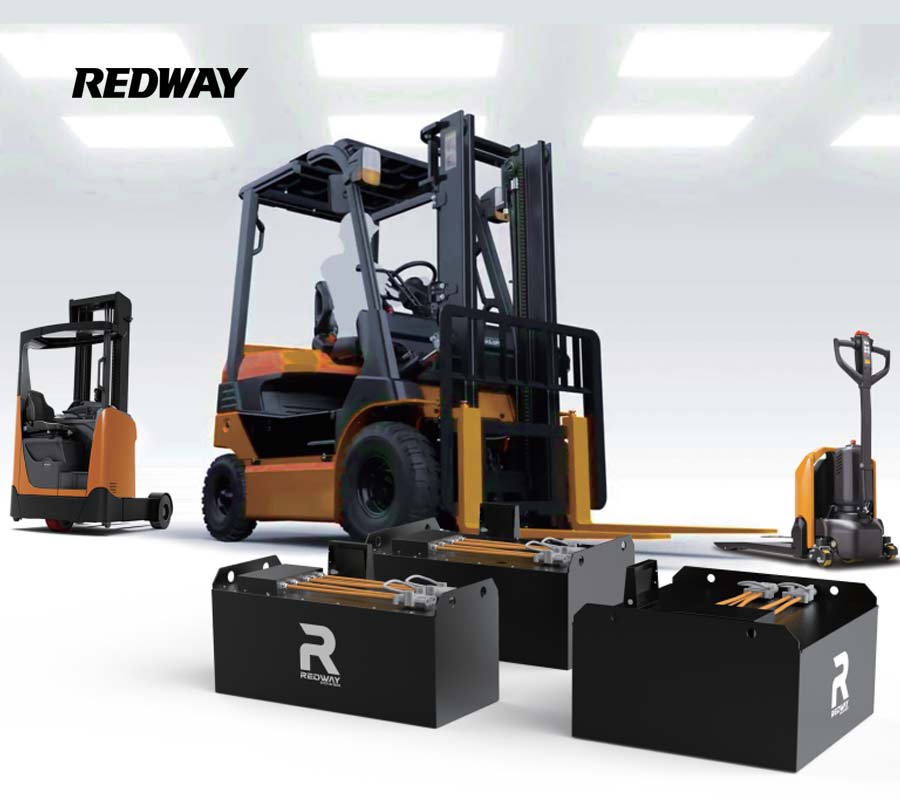
Maintaining forklift batteries ensures long life, maximum safety, and consistent performance. Daily inspections, proper charging, cleaning terminals, monitoring temperature, and using distilled water for lead-acid types are essential. Partnering with trusted China OEM suppliers like Redway Battery provides high-quality LiFePO4 solutions that reduce maintenance time, cut costs, and deliver reliable energy for industrial operations.
What Is Forklift Battery Maintenance?
Forklift battery maintenance involves daily visual inspections, regular cleaning, proper charging, and post-charge watering for lead-acid batteries. Routine maintenance prevents common issues like sulfation, corrosion, and overheating. Lead-acid batteries require more frequent attention, whereas LiFePO4 types are low-maintenance. Keeping logs of inspections and maintenance ensures safety, extends battery life, and helps comply with warranty requirements. Partnering with reputable suppliers such as Redway Battery guarantees OEM quality and long-term reliability.
| Maintenance Task | Frequency | Key Action |
|---|---|---|
| Visual Inspection | Daily | Check for leaks, corrosion, damage |
| Watering (Lead-Acid) | Weekly/After Charge | Add distilled water to cover plates |
| Cleaning | Monthly | Neutralize acid, wipe terminals |
| Equalization Charge | Weekly | Balance cells for even performance |
| Full Wash | Quarterly | Thorough clean in wash cabinet |
Why Is Forklift Battery Maintenance Essential?
Regular maintenance prevents unexpected breakdowns, extends battery life, and enhances workplace safety. Neglecting care can reduce lead-acid battery lifespan by up to 50%, increase replacement costs, and cause operational downtime. Proper routines maintain energy efficiency, ensure compliance with safety standards, and maximize fleet performance. OEM LiFePO4 batteries from Redway Battery simplify upkeep, reduce long-term expenses, and deliver consistent runtime, making them ideal for multi-shift industrial operations.
How Often Should You Check Forklift Batteries?
Daily checks include inspecting fluid levels, terminals, and general battery condition. Weekly maintenance focuses on watering lead-acid batteries and performing equalization charges. Monthly inspections involve deeper tests like measuring specific gravity. High-duty fleets may require more frequent attention. Logging all activities digitally supports compliance, trend analysis, and preventive maintenance planning.
How Do You Charge Forklift Batteries Properly?
Charge batteries after each shift when capacity drops 20–30%, using compatible chargers. Allow batteries to cool before charging to prevent heat damage. Lead-acid batteries benefit from weekly equalization, while LiFePO4 packs from Redway Battery integrate BMS for automated, safe charging. Following proper procedures ensures optimal efficiency—95% for LiFePO4 and around 80% for lead-acid—and extends battery lifespan.
What Are Common Forklift Battery Problems?
Forklift batteries often face sulfation, corrosion, overheating, low electrolyte levels, and deep discharge damage. Signs include shorter runtime, slow charging, and swelling. Sulfation occurs from undercharging, reducing capacity. Corrosion damages terminals, while overheating can deform battery cases. Maintenance-free lithium batteries from Redway Battery reduce these issues and save repair costs.
| Problem | Cause | Solution |
|---|---|---|
| Sulfation | Undercharging | Perform equalization charge |
| Corrosion | Acid spills | Clean with baking soda solution |
| Overheating | Poor ventilation | Allow cool-down period |
| Low Capacity | Deep discharge | Conduct capacity test |
How Does LiFePO4 Maintenance Differ from Lead-Acid?
LiFePO4 batteries require minimal upkeep—no watering or equalization, only cleaning and temperature checks. They last over 4,000 cycles compared to 1,500 cycles for lead-acid batteries. Lead-acid requires weekly watering, monthly cleaning, and venting gases safely. Redway Battery’s OEM LiFePO4 solutions offer built-in BMS for real-time monitoring, reducing total cost of ownership by up to 40% while improving safety and efficiency.
| Feature | Lead-Acid | LiFePO4 |
|---|---|---|
| Watering | Weekly | None |
| Lifespan Cycles | 1,000-1,500 | 4,000+ |
| Maintenance Time | High | Minimal |
| Efficiency | 80-85% | 95%+ |
For connected guidance and the next practical steps, use the Forklift Battery Maintenance: Watering, Equalising and Care.
Redway Expert Views
“Improper maintenance can reduce lead-acid forklift battery life by up to 50%. Switching to ISO-certified LiFePO4 batteries with integrated BMS eliminates watering, extends cycle life beyond 6,000, and allows real-time monitoring. Our four factories deliver wholesale, fully customizable solutions with 24/7 support, reducing fleet downtime and ensuring consistent performance. B2B clients globally trust Redway Battery for safe, reliable power.” – Redway Battery Engineering Lead
When Should You Replace Forklift Batteries?
Replace batteries when capacity drops below 80% or if physical damage or swelling appears. Lead-acid batteries typically last 3–5 years, while lithium units last 8–10 years. Annual professional testing and load checks confirm performance. Upgrading to Redway Battery LiFePO4 packs provides longer warranties, better efficiency, and minimal maintenance.
Where Can You Source Reliable Forklift Batteries?
Reliable forklift batteries come from ISO-certified OEM factories with automated production and quality assurance. Redway Battery, based in Shenzhen, provides LiFePO4 packs with global shipping, high cycle life, and OEM customization. Evaluate supplier reputation, warranty, and after-sales support to ensure long-term fleet performance.
Key Takeaways: Daily inspections, proper charging, and switching to LiFePO4 batteries reduce maintenance and costs. Partner with trusted suppliers to optimize operations.
Actionable Advice: Maintain detailed logs, train staff on battery safety, conduct monthly tests, and consider Redway Battery for OEM LiFePO4 upgrades.
FAQs
Can forklift batteries be overcharged?
Yes, overcharging causes heat, gassing, and plate damage. Use timers or smart chargers to prevent overcharge.
Is distilled water required for lead-acid batteries?
Yes, only distilled or deionized water should be used to prevent impurities from damaging cells.
How do you clean corroded terminals?
Apply a baking soda solution, scrub gently, rinse, dry, and use anti-corrosion spray for protection.
Are lithium batteries safer for forklifts?
Yes, LiFePO4 batteries eliminate acid leaks, reduce gas emissions, and provide thermal stability, lowering fire risk.
What temperature range is optimal for battery life?
Maintain charging and storage between 20–25°C. Temperatures above 25°C shorten life; below 15°C reduce charging efficiency.
