




REDWAY BATTERY / KNOWLEDGE
How to Equalize Forklift Battery?
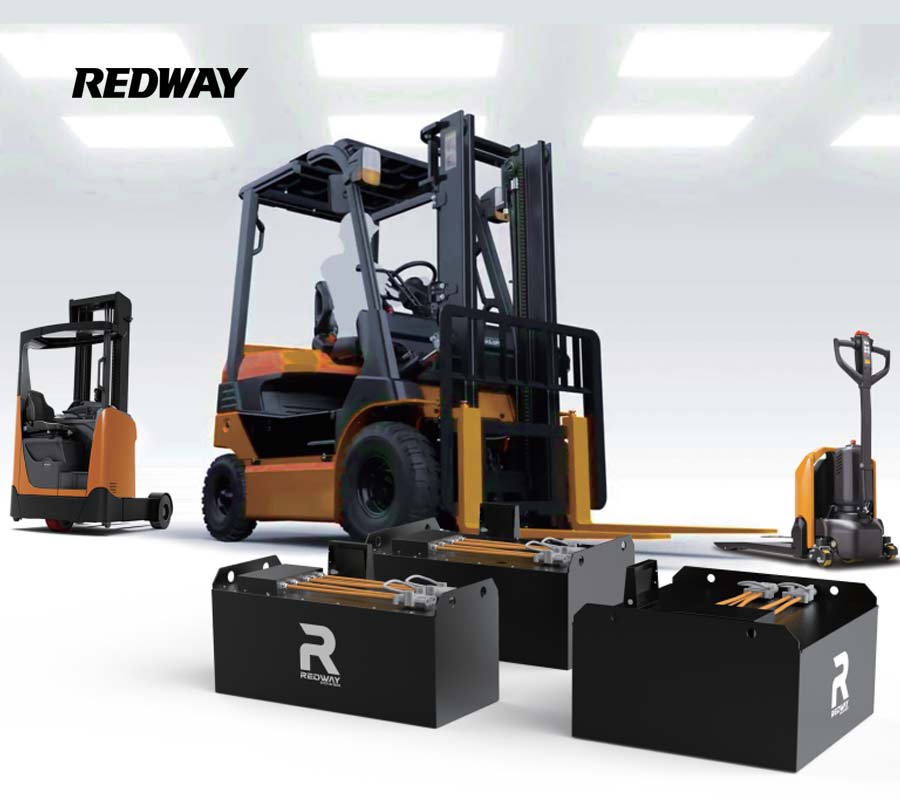
Equalizing a forklift battery ensures balanced cell voltage, prevents capacity loss, and restores efficiency. For lead-acid batteries, this involves a controlled overcharge and monitoring of temperature and specific gravity. Lithium batteries, like Redway Battery’s LiFePO4 packs, use a built-in BMS to automatically balance cells, eliminating manual intervention and maintaining optimal performance for warehouse operations.
What Is Forklift Battery Equalization?
Forklift battery equalization is the process of applying a higher, controlled voltage to balance all cells in a battery, remove sulfate buildup on lead-acid plates, and mix electrolytes evenly. This prevents uneven wear, capacity loss, and voltage discrepancies in series-connected cells.
Redway Battery integrates advanced BMS technology in their LiFePO4 forklift batteries, automating the equalization process. For lead-acid types, manual equalization restores full capacity, ensuring consistent forklift performance in demanding environments.
Why Is Equalizing Forklift Batteries Important?
Equalization prevents sulfation, where hardened lead-acid deposits reduce capacity and battery lifespan. It also equalizes voltage across cells, ensuring consistent power output. Without it, stratification occurs, with heavier acid settling at the bottom of cells, leading to frequent recharging and decreased efficiency. Regular equalization supports fleet uptime, reduces maintenance costs, and extends battery life.
When Should You Equalize a Forklift Battery?
Lead-acid batteries should be equalized every 5–10 cycles depending on age, or monthly based on usage intensity. Checking specific gravity with a hydrometer helps identify imbalance (target 1.265–1.285). Due to longer charge duration, scheduling equalization during low-activity periods is recommended.
| Factor | Recommendation |
|---|---|
| New Batteries | Every 10 cycles |
| Older Batteries | Every 5 cycles |
| Heavy Usage | Monthly or based on SG reading |
| Lithium (BMS Auto) | Continuous |
How Do You Equalize a Lead-Acid Forklift Battery?
Use a charger with an equalization mode. Fully charge the battery first, then apply higher voltage (typically 2.4–2.5V per cell) for 3–15 extra hours. Monitor temperature (below 125°F), gassing, and specific gravity. Post-charge, check water levels, clean spills, and follow manufacturer guidelines to prevent overcharge damage. Proper ventilation and safety equipment are essential.
How Does Equalization Differ for Lithium Forklift Batteries?
Lithium batteries rely on passive or active BMS systems to transfer energy between cells automatically. No manual overcharge is needed, avoiding heat or gassing issues common in lead-acid batteries. Redway Battery equips LiFePO4 packs with active BMS, ensuring real-time balancing and long-term reliability.
| Battery Type | Method | Duration | Maintenance |
|---|---|---|---|
| Lead-Acid | Manual Overcharge | 3–15 hours | Frequent monitoring |
| Lithium | BMS Automatic | Ongoing | Minimal |
This topic belongs to the wider Forklift Battery Maintenance: Watering, Equalising and Care, which brings the related decisions and practical checks together.
Which Charger Is Best for Equalizing Forklift Batteries?
Choose chargers with dedicated equalization or automatic modes compatible with the battery type. Look for features like temperature compensation, timers, and safety shutoffs. For wholesale operations, Redway Battery provides chargers optimized for their OEM LiFePO4 forklift batteries, ensuring safe and efficient fleet charging.
Redway Expert Views
“Lead-acid equalization combats sulfation but requires careful supervision to prevent damage. Redway Battery’s LiFePO4 solutions bypass this completely. Our active BMS balances cells automatically, enabling 4000+ cycles without watering or gassing. OEM customization from our Shenzhen factories allows global fleets to reduce total cost of ownership by up to 50%, with rapid charging and zero maintenance.” – Redway Battery Engineering Lead
Can Redway Battery Solve Equalization Challenges?
Redway Battery’s LiFePO4 packs remove manual equalization entirely, delivering maintenance-free performance. Their OEM/ODM services support custom voltages and capacities for any forklift model. Switching to Redway reduces downtime, extends battery lifespan, and offers cost-efficient, factory-direct solutions for B2B buyers seeking reliable energy systems.
Conclusion
Equalization is crucial for maintaining peak performance in lead-acid forklift batteries, while Redway Battery’s LiFePO4 solutions eliminate the manual process. Key points: monitor specific gravity, schedule regular equalization, and use proper chargers. For B2B clients, partnering with Redway Battery ensures durable, high-performance lithium batteries that reduce downtime, cut costs, and streamline fleet operations.
FAQs
How often should lead-acid forklift batteries be equalized?
Every 5–10 charge cycles or monthly depending on age and usage intensity.
Is manual equalization needed for lithium batteries?
No. Redway Battery’s LiFePO4 packs use BMS to automatically balance cells continuously.
What voltage is used for lead-acid equalization?
Typically 2.4–2.5V per cell, following manufacturer specifications.
Can batteries be equalized daily?
No, daily equalization risks overcharging. Follow recommended intervals.
Why choose Redway Battery for forklifts?
They provide maintenance-free LiFePO4 batteries with full OEM customization, reducing downtime and costs.
