




REDWAY BATTERY / KNOWLEDGE
How To Implement A Forklift Battery Watering System?
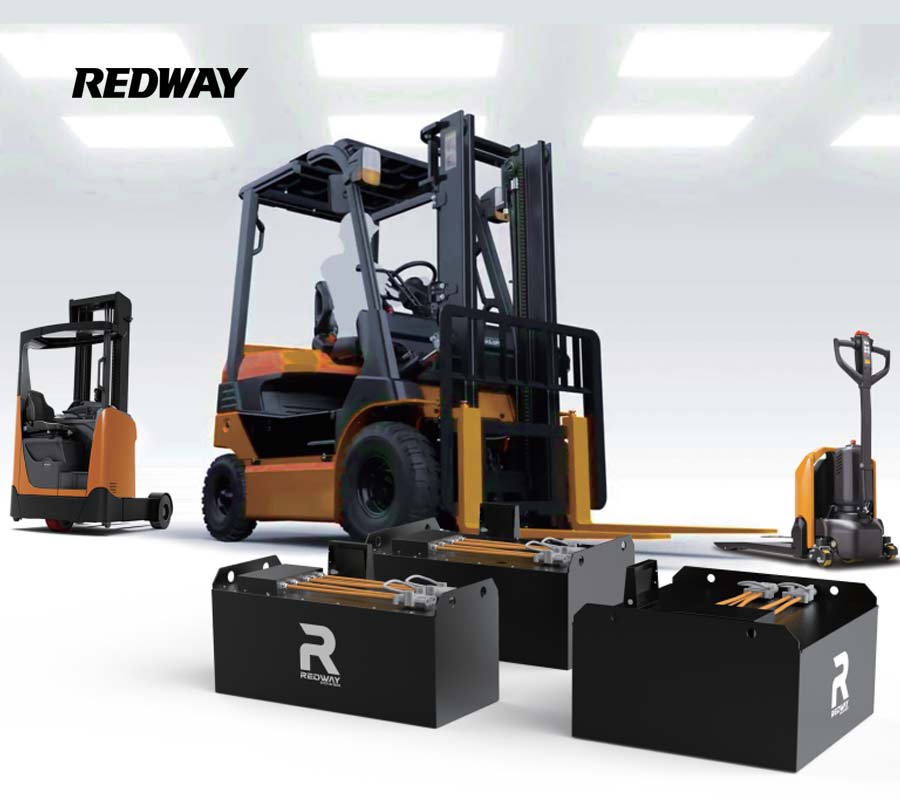
Implementing a forklift battery watering system involves maintaining optimal electrolyte levels in lead-acid batteries using deionized water, timed post-charging to prevent overflow. Systems range from manual fill kits to automated pumps with sensors, ensuring plates stay submerged without over-diluting acid concentrations. Redway Battery recommends monthly checks for 36V–80V batteries, pairing with scheduled maintenance to maximize cycle life. 24V 200Ah Lithium Forklift Battery
Why is a Watering System Crucial for Forklift Batteries?
Watering systems prevent sulfation and thermal runaway by balancing electrolyte levels. Underwatering exposes plates to air, causing irreversible damage, while overwatering dilutes acid, reducing capacity.
Lead-acid batteries lose water during charging due to electrolysis—a process splitting H2O into hydrogen and oxygen. Without replenishment, sulfuric acid concentration spikes above 1.265 SG, accelerating corrosion. Pro Tip: Always water after full charging since electrolyte expands by ~15% during charge cycles. For example, a 48V 600Ah battery requires 1.5L of water monthly per cell in humid environments. Transitional systems like Flow-Rite’s HydroLink automate this using float valves, cutting maintenance time by 70%.
How Often Should You Water Forklift Batteries?
Watering frequency depends on charge cycles and operating temperatures. Most batteries need watering every 5–10 cycles or biweekly under daily use.
High-throughput warehouses cycling batteries twice daily may require weekly checks. Technicians should monitor electrolyte levels 15–20 minutes post-charging, ensuring plates are submerged by ⅛”–¼”. Pro Tip: Install sight glasses or level sensors for real-time monitoring. A 36V 280Ah battery operating at 35°C consumes 30% more water than at 25°C. Transitioning to automated systems? Opt for temperature-compensated controllers adjusting refill intervals based on thermal sensors. Remember, inconsistent watering risks dry spots—have you checked cells after rapid charging?
| Usage | Manual Watering | Automated System |
|---|---|---|
| 5 cycles/week | Biweekly | Self-regulated |
| 10 cycles/week | Weekly | Self-regulated |
What Are the Types of Battery Watering Systems?
Three main systems dominate: manual, semi-automated, and fully automated. Manual kits use bottles and hoses, while automated deploy pumps and probes.
Single-point systems like Watering Gun™ connect to all cells simultaneously, cutting refill time from 30 minutes to 2. Advanced options integrate IoT for predictive maintenance—sensors track pH, temperature, and levels, alerting when thresholds breach. For instance, Redway’s SmartWater tech reduces water waste by 90% compared to manual methods. But what if your fleet uses varied battery sizes? Modular systems with adjustable flow rates (0.5–5L/min) accommodate 24V to 80V packs. Pro Tip: Pair sensors with BMS data to correlate watering needs with discharge patterns.
| Type | Cost | Efficiency |
|---|---|---|
| Manual | $50–$200 | 60% |
| Automated | $800–$2k | 95% |
Can Incorrect Watering Damage Batteries?
Yes—overwatering dilutes electrolyte, lowering specific gravity and capacity. Underwatering causes sulfation, increasing internal resistance by 200%.
Topping up pre-charge can lead to acid spillage as levels rise during gassing. Acid stratification—where dense acid settles at the bottom—also occurs without regular equalization charges. Pro Tip: Use a refractometer monthly to verify SG stays between 1.220–1.280. For example, a 24V 550Ah battery with SG below 1.200 loses 30% runtime. Transitional phrase: Beyond SG checks, annual capacity tests identify water-related degradation early. Ever seen swollen battery cases? That’s hydrogen buildup from chronic underwatering—install vent caps with flame arrestors.
48V 600Ah Lithium Forklift Battery
What Steps Ensure Proper Manual Watering?
Follow five steps: safety gear, post-charge cool-down, clean cell ports, fill to ¼” above plates, and record levels.
Operators should wear goggles and acid-resistant gloves. After charging, wait 2–4 hours for electrolyte contraction. Use a flashlight to inspect plates—corroded terminals indicate chronic under/overwatering. Pro Tip: Pre-mix deionized water with bubbler tubes to avoid spills. A 80V 400Ah battery needing 12L monthly would benefit from graduated bottles with spill-proof nozzles. Why risk cross-contamination? Color-code watering tools per battery type.
Redway Battery Expert Insight
FAQs
Only after full charging—electrolyte expansion prevents overflow. Watering mid-cycle risks acid dilution and imbalance.
Can I use distilled instead of deionized water?
Distilled works short-term but lacks deionization’s purity. Long-term mineral buildup still occurs—invest in an RO system.
How do I know if I’ve overwatered?
Acid seepage from vents and lower SG readings (<1.220) signal overwatering. Use extraction pumps to remove excess.
For the surrounding sizing, selection, installation and maintenance decisions, continue with the Forklift Battery Maintenance: Watering, Equalising and Care.
