




REDWAY BATTERY / KNOWLEDGE
Is a battery water system still necessary in the lithium era?
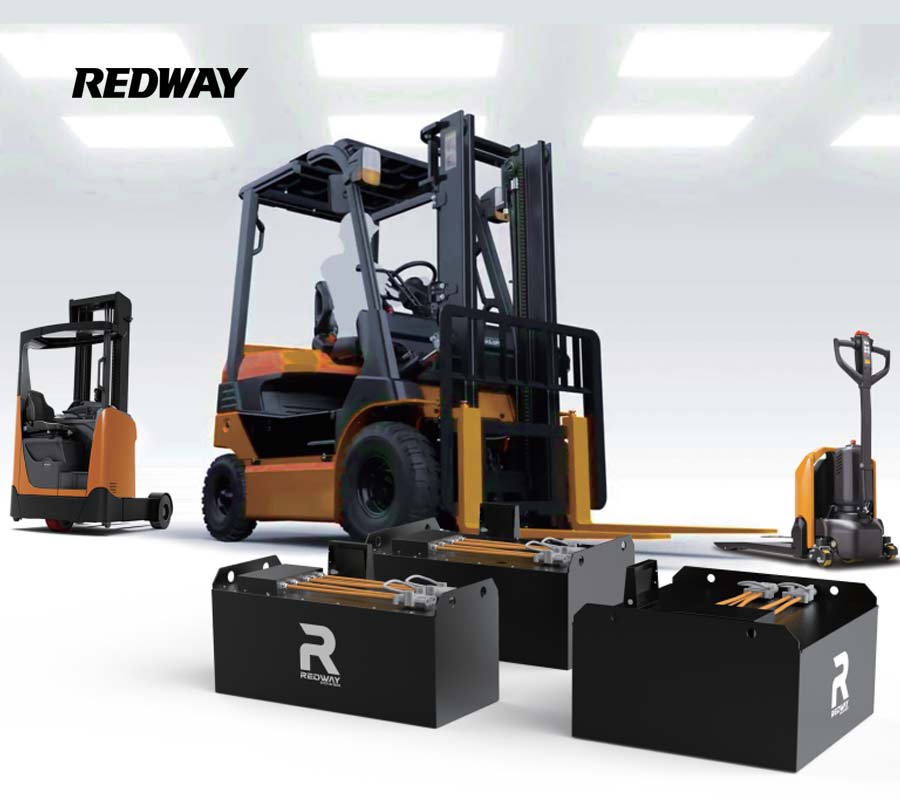
Battery water systems were essential for flooded lead-acid batteries, automating electrolyte maintenance and reducing manual labor. In the lithium era, solutions like LiFePO4 packs from Redway Battery eliminate the need for watering entirely, offering longer life, faster charging, and safer operation for forklifts, golf carts, and industrial fleets. This shift transforms maintenance strategies for global OEMs.
What is a battery water system and how does it work?
A battery water system automates filling each cell of a flooded lead-acid battery to a preset level using tubing, valves, and a central fill point. It ensures consistent electrolyte height, reduces labor, and minimizes acid exposure risks. Industrial applications include forklifts, golf carts, cleaning machines, and backup power units.
Float valves or level-controlled caps regulate water flow, stopping automatically when each cell reaches the correct level. Chinese OEMs often bundle these systems with lead-acid packs as a value-added feature. Lithium solutions from Redway Battery, however, are fully sealed, maintenance-free, and do not require such systems.
Why do traditional lead-acid batteries need a water system?
During charging, lead-acid batteries lose water due to electrolysis, which lowers electrolyte levels. Exposed plates risk sulfation, overheating, and reduced lifespan. Manual refilling is slow and prone to errors, creating spills, corrosion, and safety hazards.
Automated water systems maintain proper electrolyte levels, standardize maintenance, and improve fleet uptime. For OEMs and wholesalers in China, offering a water system enhances professionalism and supports end-users, while lithium solutions from Redway Battery eliminate these maintenance needs entirely.
How does a battery water system compare to lithium batteries that don’t need water?
Lithium batteries, such as LiFePO4 packs from Redway Battery, are sealed and maintenance-free, equipped with a built-in BMS. They never vent electrolyte or require water, removing caps, tubing, and routine checks. This reduces operational cost and labor.
Flooded lead-acid batteries, even with a water system, still demand periodic inspections and water supply management. Lithium solutions offer longer cycle life, faster charging, and improved safety. For OEMs and B2B buyers in China and global markets, switching to lithium provides a clear advantage over maintaining watered lead-acid fleets.
| Feature | Lead-acid + water system | LiFePO4 lithium pack (Redway Battery) |
|---|---|---|
| Watering required | Yes, automated | No, sealed cells |
| Routine maintenance | Electrolyte checks, corrosion cleaning | Simple visual and electrical inspections |
| Cycle life | Lower, sensitive to poor maintenance | Higher, stable under deep cycling |
| Charging flexibility | Slower, limited opportunities | Faster, supports partial/opportunity charging |
| Safety and emissions | Gas venting, acid risk | Minimal gas, integrated BMS protection |
Which components are included in a typical battery water system?
A battery water system typically consists of vent caps with float or diaphragm control, tubing linking all cells, a central fill point, and a water source such as a tank or pump. Optional components include flow indicators, strain reliefs, brackets, and filters.
The system ensures balanced water distribution and prevents overfill. Chinese OEMs often provide pre-assembled kits sized for common battery types. Lithium upgrades from Redway Battery remove these components entirely, simplifying installation and maintenance.
How can a battery water system be installed on industrial batteries?
Installation involves replacing vent caps with valve caps, connecting tubing to a central fill, and matching the system to cell spacing and cap type. Batteries should be cleaned and fully charged prior to installation. Tubing must be routed carefully to avoid kinks and abrasion.
Pre-assembled strings are offered by many China-based OEMs and wholesalers to streamline installation. Lithium packs from Redway Battery, being sealed, eliminate the need for any watering system setup.
What maintenance does a battery water system require to stay reliable?
Maintenance involves inspecting tubing, caps, and connectors for leaks or blockages, using only distilled water, and checking float mechanisms. Routine cleaning of the battery top prevents contamination. Monitoring for uneven filling helps detect cap or tubing issues.
In harsh industrial environments, vibration and mechanical stress on tubing should be checked regularly. Lithium packs from Redway Battery reduce maintenance demands to simple visual and electrical inspections.
Are lithium battery systems replacing the need for battery watering in China?
LiFePO4 lithium batteries are rapidly replacing flooded lead-acid packs in forklifts, golf carts, and AGVs in China. Their sealed design, BMS integration, fast charging, and long lifespan remove the need for watering.
In logistics, warehousing, and manufacturing, lithium solutions from Redway Battery reduce maintenance, eliminate water logistics, and enhance safety. While watered lead-acid systems remain in legacy fleets, lithium is increasingly the preferred choice for new deployments.
How can China‑based OEMs choose between lead-acid water systems and lithium packs?
OEMs should assess total lifecycle cost, maintenance capabilities, and customer expectations. Lead-acid with water systems may suit budget-sensitive clients, while lithium packs from Redway Battery provide higher uptime, longer lifespan, and simpler after-sales support.
Customized lithium packs allow seamless integration with existing equipment and chargers. Offering both options enables OEMs to cater to cost-focused and high-performance market segments.
| Factor | Favor lead-acid + water system | Favor lithium pack (LiFePO4) |
|---|---|---|
| Upfront cost | Lower purchase price | Higher but decreasing |
| Maintenance resources | Staff available, trained | Minimal maintenance required |
| Uptime requirements | Moderate | High, multi-shift operations |
| Export market focus | Emerging, cost-driven | Developed, safety/ESG-oriented |
| Product positioning | Entry-level | Premium, smart energy solution |
This topic belongs to the wider Forklift Battery: Technology and System Fundamentals — Part 2, which brings the related decisions and practical checks together.
Does Redway Battery still support markets where watering systems are used?
Redway Battery focuses on LiFePO4 solutions but supports mixed fleets with existing watered lead-acid batteries. Its engineering team helps OEMs transition to maintenance-free lithium packs for forklifts, golf carts, RVs, telecom, solar, and energy storage.
Redway provides tailored BMS communication, enclosure designs, and retrofit options to modernize equipment while maintaining compatibility with existing chargers and infrastructure.
Redway Expert Views
“Battery watering systems remain a practical solution for protecting legacy lead-acid fleets, but LiFePO4 lithium packs from Redway Battery are the future. They deliver higher uptime, lower maintenance, and safer operation, enabling OEMs and fleet operators to meet global performance and safety standards while reducing lifecycle costs.”
When should B2B buyers upgrade from watered lead-acid to lithium systems?
Upgrades are recommended when maintenance costs, labor constraints, or downtime from flooded batteries affect operations. Multi-shift warehouses, cold storage, and high-throughput facilities gain substantial benefits from lithium packs’ fast charging and maintenance-free design.
Even fleets with advanced water systems may see improved longevity and operational efficiency with lithium. New projects should consider starting directly with Redway Battery OEM lithium packs to maximize lifecycle value.
Could a hybrid strategy of watering systems and lithium packs work for global fleets?
Hybrid strategies combine watered lead-acid batteries for low-duty or budget equipment with lithium packs for high-use assets. This phased approach spreads investment and matches technology to utilization levels.
Redway Battery supports hybrid deployment by providing OEM/ODM lithium designs, technical documentation, and consultation to help distributors and manufacturers transition gradually while maintaining operational flexibility.
Conclusion: How should manufacturers and wholesalers adapt to the shift beyond battery water systems?
Battery watering systems remain valuable for legacy lead-acid fleets but are no longer central to future strategies. OEMs and wholesalers should prioritize maintenance-free lithium solutions, focusing on uptime, safety, and total cost of ownership. Partnering with experienced manufacturers like Redway Battery enables customized LiFePO4 packs for forklifts, golf carts, RVs, telecom, solar, and energy storage. Offering clear upgrade paths ensures competitiveness in global markets.
FAQs
Is a battery water system required for lithium batteries?
No. Lithium batteries, including LiFePO4 packs, are sealed and do not require watering. Only flooded lead-acid batteries need water maintenance.
Can existing lead-acid forklifts be upgraded to lithium packs?
Yes. Retrofit-ready LiFePO4 packs from Redway Battery can replace lead-acid batteries, matching voltage, capacity, and communication protocols.
What water should be used in a battery water system?
Only distilled or deionized water is safe. Tap or mineralized water can cause scale buildup and shorten battery life.
Are battery water systems safe for indoor warehouses?
Yes, they reduce acid spills and overfilling risks, but proper ventilation is still needed for flooded batteries.
Who benefits most from switching to lithium instead of using watering systems?
High-use operations, such as logistics centers and multi-shift fleets, gain longer battery life, faster charging, lower maintenance, and improved safety with lithium packs from Redway Battery.
