




REDWAY BATTERY / KNOWLEDGE
What Are Hyster Robotics Industry Solutions?
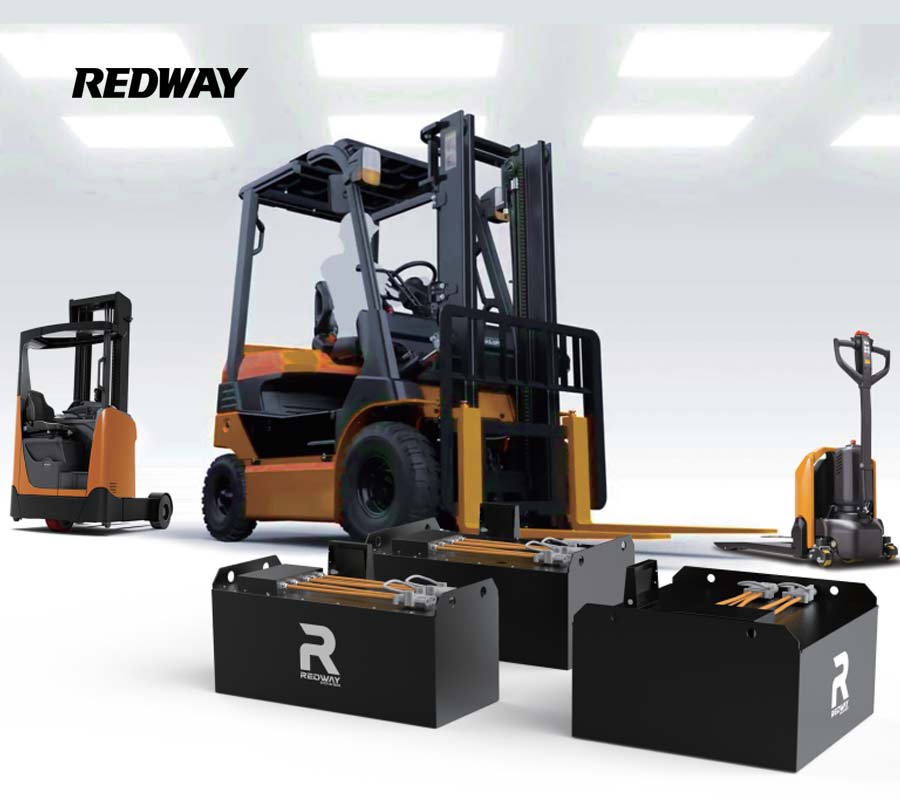
Hyster Robotics Industry Solutions encompass advanced material handling systems integrating lithium-ion battery technology, hydrogen fuel cells, and durable electric forklifts designed for industrial environments. These solutions prioritize zero-emission operations, enhanced productivity, and reduced ownership costs. Tailored for logistics, warehousing, and manufacturing, Hyster’s robotic systems leverage ISO-certified engineering to meet stringent environmental benchmarks while maintaining high performance in demanding applications like heavy-duty lifting and automated workflows.
48V 300Ah Lithium Forklift Battery
What core technologies define Hyster’s robotic solutions?
Hyster’s robotics rely on lithium-ion batteries, hydrogen fuel cells, and proprietary automation software. These ensure energy efficiency and scalability in logistics, with modular designs supporting retrofitting of existing fleets. Pro Tip: Opt for lithium-ion over lead-acid to cut charging downtime by 70%.
Hyster integrates lithium-ion packs (e.g., 48V 600Ah) offering 5000+ cycles at 80% DoD, paired with hydrogen fuel cells for continuous operation in high-throughput warehouses. Their automation software uses real-time load sensing to optimize route planning—critical for minimizing energy waste. For instance, a Hyster ReachStacker with LiFePO4 batteries achieves 10-hour runtime, reducing fleet size by 25%. However, hydrogen infrastructure demands upfront investment. Transitional systems blending lithium and hydrogen mitigate this while transitioning to full zero-emission setups.
How do Hyster’s solutions address sustainability goals?
By replacing diesel fleets with zero-emission forklifts and AI-driven energy management. Carbon reporting tools track kWh saved, while fast-charging lithium systems cut facility emissions by 40%.
Hyster’s lithium packs (48V–80V) reduce greenhouse gas emissions by 89% compared to ICE counterparts. Their hydrogen solutions eliminate particulate emissions entirely, vital for food/pharma sectors. Real-world example: A German automaker slashed warehouse CO2 by 620 tons/year using Hyster’s 80V 400Ah Li-ion stackers. Energy recovery systems in robotic arms further reclaim 15% of braking energy. Yet, facilities must audit power grids—adopting 80V 700Ah packs without solar backups may shift emissions upstream.
| Solution | CO2 Reduction | ROI Period |
|---|---|---|
| Li-ion Forklifts | 85-90% | 2.5 years |
| Hydrogen Hybrids | 100% | 3.8 years |
What industries benefit most from Hyster robotics?
Manufacturing, ports, and automotive logistics gain from Hyster’s high-load AGVs and container handlers. Cold storage facilities utilize their corrosion-resistant battery packs for sub-zero reliability.
Ports deploy Hyster’s 80V 700Ah automated straddle carriers moving 45-ton containers with 98% uptime. Automotive plants use vision-guided robotic forklifts (VGRs) for Just-In-Time parts delivery, trimming buffer stocks by 30%. Pro Tip: For cold storage, LiFePO4 batteries outperform NMC in -30°C environments. But what if hydrogen lines freeze? Hyster’s pressurized fuel cells include self-heating membranes for Arctic operations. Retail distribution centers leveraging their solutions report 22% faster order fulfillment—crucial for e-commerce deadlines.
Redway Battery Expert Insight
FAQs
Yes, via retrofit kits, but confirm controller voltage thresholds—older 36V systems can’t handle 48V+ without MOSFET upgrades.
Does Hyster provide hydrogen refueling infrastructure?
No, but they partner with providers like Plug Power for turnkey hydrogen solutions, including on-site electrolyzers.
For connected guidance and the next practical steps, use the Forklift Battery: Brands, Models and Fitment — Part 2.
