




REDWAY BATTERY / KNOWLEDGE
What Are Reconditioned Forklift Batteries?
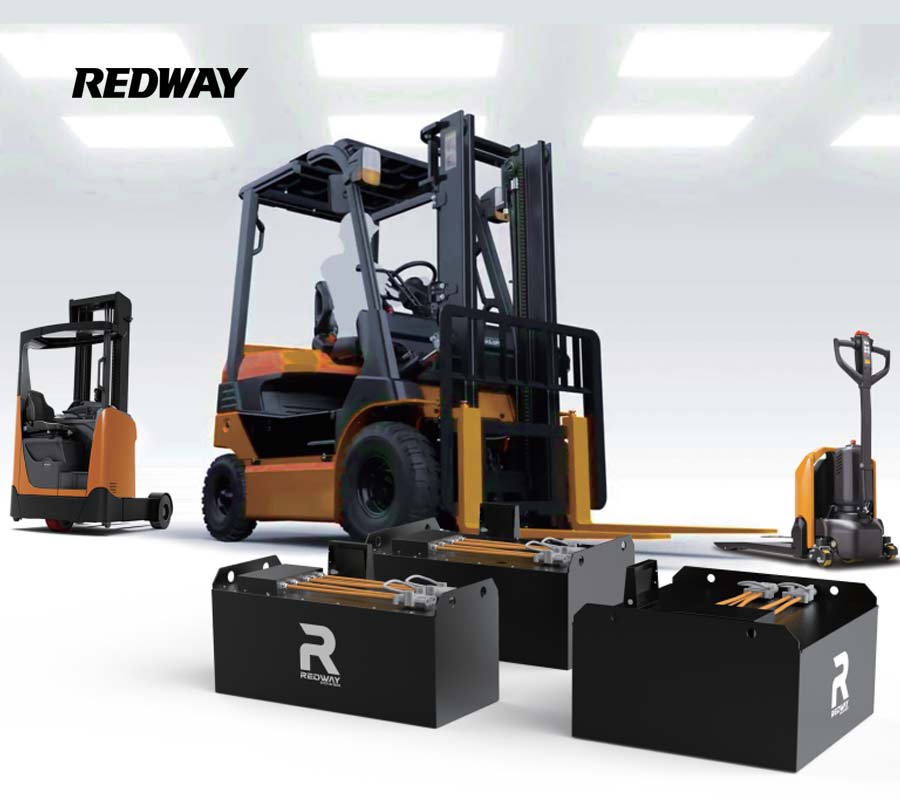
Reconditioned forklift batteries are refurbished energy storage units where aged or depleted cells are repaired, replaced, or chemically treated to restore 60–80% of original capacity. They use cost-effective methods like electrolyte replacement (lead-acid) or module rebalancing (lithium) to extend service life by 1–3 years. These batteries offer budget-friendly alternatives for light-duty logistics operations, though cycle counts and discharge rates typically underperform new units.
How are forklift batteries reconditioned?
Reconditioning involves replacing damaged cells, replenishing electrolytes in lead-acid units, and recalibrating BMS firmware for lithium packs. Technicians perform load testing to identify voltage drops below 2V per cell (lead-acid) or capacity losses exceeding 20% (lithium). For example, a 48V lead-acid pack with sulfated plates may undergo desulfation pulses to recover 15% capacity. Pro Tip: Always validate reconditioned battery impedance—values over 30mΩ indicate unstable internal resistance.
Three core steps define the process: Diagnostic testing pinpoints weak cells using discharge analyzers, followed by targeted repairs like acid stratification correction. Finally, capacity validation via 0.2C cycle testing ensures output meets minimum thresholds. Transitionally, while lithium batteries require specialized equipment for module replacement, lead-acid types demand manual plate scraping—a labor-intensive but lower-cost approach. Did you know improper electrolyte mixing can permanently reduce lead-acid runtime by 40%? A well-executed recondition cuts operational costs by 55% versus new purchases.
What are the key differences between new and reconditioned batteries?
New batteries deliver full cycle life (2,000+ cycles for LiFePO4) versus 500–1,200 cycles in reconditioned units. Voltage stability differs too—refurbished packs may show 5–8% voltage sag under peak loads. For instance, a reconditioned 24V lithium pack might drop to 22.5V during 150A discharges, whereas new units maintain 23.2V. Pro Tip: Validate warranty terms—reconditioned batteries often have 6-month coverage versus 3–5 years for new.
| Parameter | New Batteries | Reconditioned |
|---|---|---|
| Cycle Life | 2,000–4,000 | 800–1,500 |
| Peak Current | 5C (Lithium) | 3C |
| Cost (48V 600Ah) | $12,000–$18,000 | $4,500–$7,200 |
Beyond raw performance, new batteries include factory-grade Battery Management Systems with thermal runaway prevention—a feature sometimes stripped in budget reconditioned units. Transitionally, while OEMs guarantee ±1% capacity consistency across cells, refurbished packs tolerate ±5% variances. Are you prepared to manage shorter operational hours? Reconditioned batteries typically require 20% more frequent charging intervals.
Where are reconditioned forklift batteries commonly used?
They power seasonal warehouses and secondary equipment like pallet jacks with sub-4hr daily usage. Facilities with 10–15 forklifts often deploy 2–3 reconditioned units as backups during peak demand. For example, a beverage distributor uses reconditioned 36V batteries for weekend loading docks, achieving 18-month ROI. Pro Tip: Avoid using them in multi-shift operations—accelerated aging occurs beyond 2 full cycles/day.
Practical applications include retrofit projects for legacy forklift models where new battery dimensions mismatch original compartments. Transitionally, municipal operations with budget constraints utilize reconditioned packs for recycling trucks, though cold climates (-10°C) reduce their effective capacity by 30–35%. Ever wonder about airport baggage handlers? Many opt for reconditioned lithium batteries to balance cost and partial-shift reliability.
How to assess reconditioned battery quality?
Check cell matching reports showing ≤5% capacity variance and valid impedance testing (lead-acid: 25–40mΩ, lithium: 15–25mΩ). Request third-party certification like UL 2580 for lithium packs. For example, a Grade B reconditioned battery might have 12% cell deviation, causing 28% runtime loss in cold storage. Pro Tip: Reject units with welded terminal repairs—proper reconditioning replaces entire cell blocks.
| Test | Pass Threshold | Failure Risk |
|---|---|---|
| 100A Load Test | <2V drop (lead-acid) | Premature shutdown |
| Self-Discharge | <5%/month | Parasitic drain |
| Thermal Imaging | Δ≤8°C | Hotspot failure |
Beyond technical specs, inspect case integrity—cracks exceeding 2mm near terminals risk acid leaks. Transitionally, suppliers offering 30-day performance warranties demonstrate higher confidence in refurbishment quality. Did you know mismatched charger protocols cause 23% of reconditioned battery failures? Always verify compatibility with existing charging infrastructure.
What maintenance extends reconditioned battery life?
Implement partial-state charging (30–80% SoC for lithium) and monthly equalization cycles for lead-acid. Cleaning terminals with baking soda solution prevents corrosion-induced resistance spikes. For instance, monthly equalization adds 150 cycles to a reconditioned lead-acid pack. Pro Tip: Use infrared thermometers—terminal temperatures over 50°C signal connection flaws.
Transitionally, storing lithium batteries at 40–60% charge in 15–25°C environments slows calendar aging by 3x versus full-charge storage. But what about lead-acid types? Weekly watering with deionized water maintains electrolyte levels above plate tops. Ever faced sudden capacity drops? Monthly specific gravity checks (1.265–1.299 range) prevent sulfation in refurbished lead-acid units.
Redway Battery Expert Insight
FAQs
Only if voltage/connector types match—modified terminals may require adapter plates. Always consult OEM specifications before installation.
How many times can a battery be reconditioned?
Lead-acid permits 2–3 cycles; lithium allows 1–2 due to binder degradation. Beyond this, cell structural integrity risks failure.
For the surrounding sizing, selection, installation and maintenance decisions, continue with the Forklift Battery: Operation and Practical Guidance — Part 5.
Actual Cost of Forklift BatteriesWhere to Buy Used Forklift Batteries
