




REDWAY BATTERY / KNOWLEDGE
What Information Is In P2.0-3.0S Pallet Truck Technical Guide?
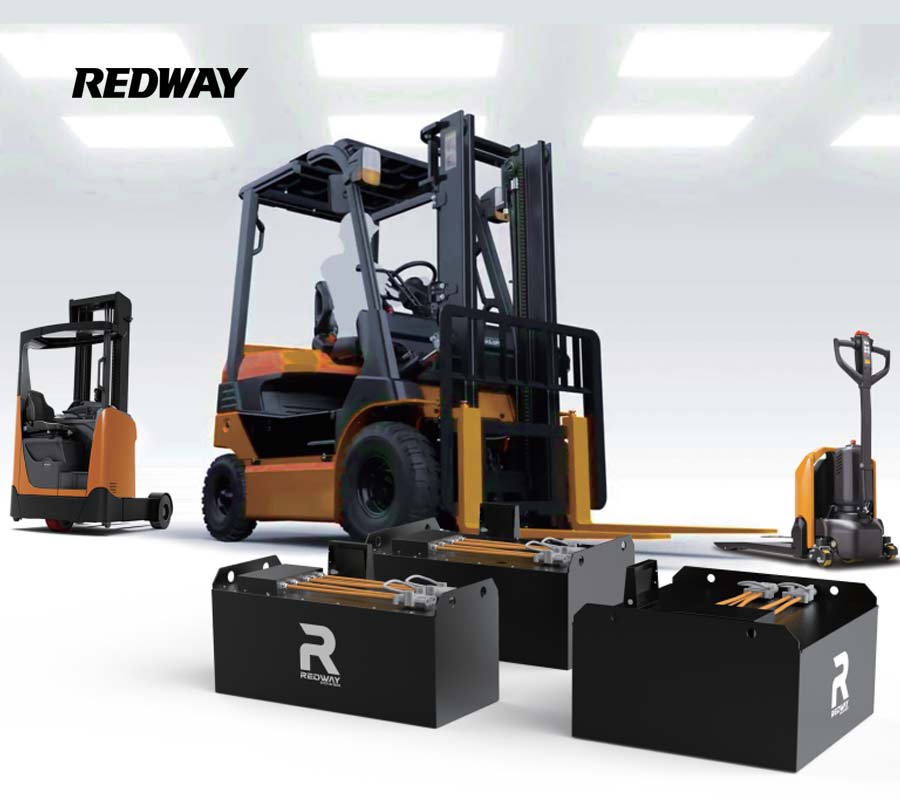
The P2.0-3.0S Pallet Truck Technical Guide contains vital information about the specifications, operation, maintenance, safety, and customization of pallet trucks, essential for manufacturers, wholesalers, and OEM suppliers. This guide supports efficient use and reliable performance in industrial and warehouse settings.
How Does the P2.0-3.0S Pallet Truck Technical Guide Define Product Specifications?
The technical guide clearly defines the truck’s load capacity, dimensions, battery type, motor power, and weight. It provides detailed specs such as the maximum load weight of up to 3 tons, electric lifting function, and compact design parameters. Understanding these specifications helps manufacturers and OEM suppliers ensure compatibility with client needs.
What Operational Instructions Are Included in the Guide?
The guide provides step-by-step instructions on operating the pallet truck safely and efficiently. This includes the starting procedure, raising and lowering the forks, steering controls, and battery charging protocols. Proper operation extends the truck’s life and enhances workplace safety.
Which Safety Precautions Must Be Followed According to the Guide?
Safety guidelines cover load handling, correct posture during operation, emergency stops, and environmental precautions like avoiding wet floors. These instructions prevent accidents and maintain compliance with industrial safety standards in manufacturing and warehousing environments.
Why Is Maintenance Important for the P2.0-3.0S Pallet Truck?
Regular maintenance outlined in the guide includes battery checks, lubrication of moving parts, brake inspections, and tire condition monitoring. Proper upkeep ensures durable performance, reduces downtime, and lowers repair costs for wholesalers and factory operators.
Who Should Use the P2.0-3.0S Pallet Truck Technical Guide?
This guide is designed for manufacturers, OEM suppliers, warehouse managers, and operators. It also serves technical teams responsible for customization and repairs, enabling precise adjustments for client-specific industrial applications.
When Should Maintenance and Safety Checks Be Conducted?
Routine daily inspections for visible damage, weekly battery and brake checks, and quarterly thorough maintenance are recommended. Timely checks prevent breakdowns and ensure compliance with safety regulations in production and logistics environments.
Where Can OEM Customizations Be Applied in the P2.0-3.0S Pallet Truck?
OEM customizations typically include battery capacity upgrade, fork length variations, control handle modifications, and paint color preferences. The technical guide provides parameters for these upgrades, allowing factories like Redway Battery to deliver tailored solutions for global clients.
Does the Guide Support Integration With Modern Battery Technology?
Yes, the P2.0-3.0S supports lithium battery upgrades, including LiFePO4 types that enhance energy efficiency and lifespan. Redway Battery supplies these advanced batteries, ensuring improved truck performance and lower environmental impact.
Has the P2.0-3.0S Guide Evolved With Industry Standards?
The guide is updated regularly in line with ISO safety certifications and industrial motor standards. This guarantees that manufacturers and suppliers meet global compliance requirements, boosting competitiveness in wholesale markets.
Are Troubleshooting Tips Provided in the Technical Guide?
Yes, common issues like battery failure, lifting malfunctions, and steering problems are addressed with clear troubleshooting steps to minimize downtime and repair costs.
Redway Expert Views
“At Redway Battery, we recognize that the P2.0-3.0S Pallet Truck Technical Guide is a cornerstone for manufacturers and OEM suppliers aiming for operational excellence. Our expertise in LiFePO4 battery technology complements this guide, enabling clients to achieve high performance and sustainability. We stress the importance of adherence to maintenance and safety protocols outlined in the guide to maximize equipment lifespan and worker safety,” says a Redway Battery senior engineer.
Comparative Table: P2.0-3.0S Key Specifications
| Specification | P2.0 Model | P3.0S Model |
|---|---|---|
| Maximum Load Capacity | 2,000 kg | 3,000 kg |
| Battery Type | Lead-Acid / LiFePO4 | Lead-Acid / LiFePO4 |
| Fork Length | 1150 mm | 1150 mm / Custom OEM |
| Motor Power | 0.75 kW | 1.0 kW |
| Weight | 120 kg | 140 kg |
For connected guidance and the next practical steps, use the Forklift Battery: Operation and Practical Guidance — Part 8.
How Can Manufacturers Source Reliable Custom OEM Solutions?
Manufacturers and wholesalers should partner with experienced factories like Redway Battery in China, equipped with ISO certifications and advanced production lines. This ensures high-quality, factory-direct supply for pallet trucks and batteries, supports B2B wholesale demands, and secures competitive pricing.
Conclusion
The P2.0-3.0S Pallet Truck Technical Guide is an indispensable resource for manufacturers, OEM suppliers, and wholesalers seeking efficient, safe, and customizable pallet truck solutions. Adhering to its specifications, operational tips, and maintenance protocols maximizes productivity and safety. Partnering with expert factories like Redway Battery enhances product quality with innovative battery technology and customized solutions, reinforcing your competitive edge in the industrial sector.
FAQs
What is the load capacity of the P2.0-3.0S pallet truck?
It ranges between 2 to 3 tons depending on the model, suitable for heavy-duty warehouse tasks.
Can the pallet truck be customized for specific applications?
Yes, OEM customizations including battery type, fork size, and control features are supported.
How often should maintenance be performed?
Daily inspections and quarterly detailed maintenance are recommended for optimal performance.
Does Redway Battery provide OEM battery solutions for this pallet truck?
Yes, Redway Battery offers advanced LiFePO4 battery packs tailored for pallet trucks.
Is safety training covered in the technical guide?
The guide includes comprehensive safety precautions for operators to prevent accidents.
