




REDWAY BATTERY / KNOWLEDGE
What Is a Forklift Charging Station?
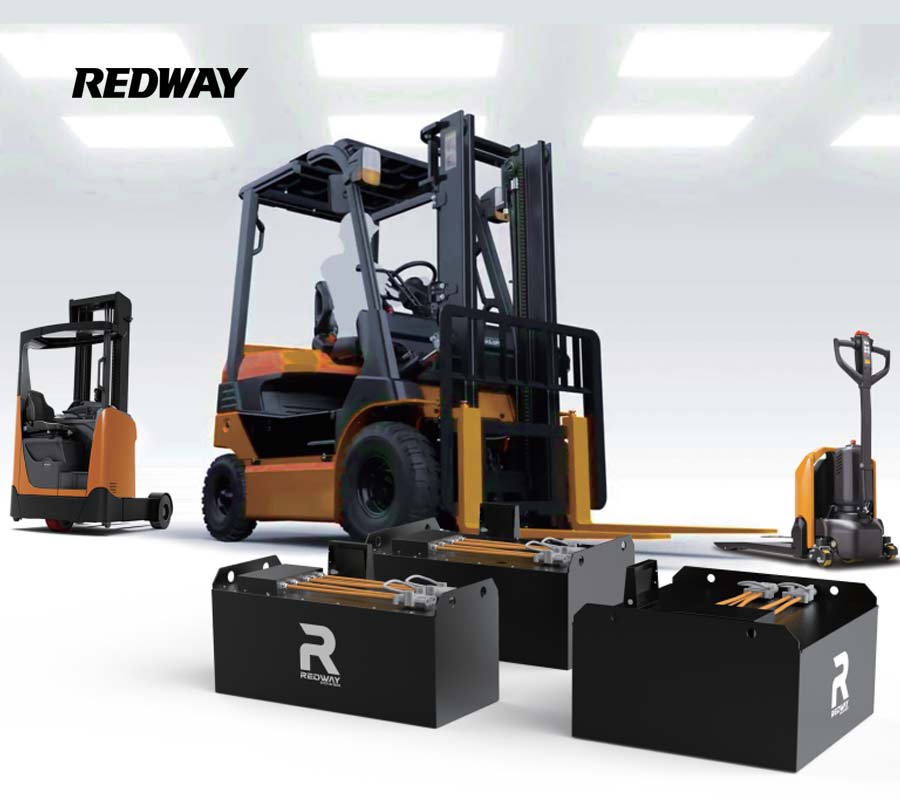
A forklift charging station is a dedicated area in a warehouse or industrial facility where forklift batteries are recharged safely and efficiently. It manages power conversion, ventilation, monitoring, and safety protections to keep operations running smoothly. Manufacturers in China, including Redway Battery, provide advanced lithium-compatible systems that boost uptime, improve workflows, and support heavy-duty fleets with reliable energy solutions.
What Does a Forklift Charging Station Include?
A forklift charging station includes chargers, battery racks, ventilation, safety gear, monitoring tools, and space for organized battery handling. These components allow safe, efficient charging for both lithium and lead-acid forklifts in busy warehouse environments.
Modern stations use multi-port chargers, automated exchange equipment, and high-strength racking. Lithium-focused setups emphasize thermal control, while lead-acid areas require strict ventilation to handle hydrogen gas. Redway Battery designs OEM-ready systems with robust materials and monitoring features to ensure dependable charging for global clients.
| Component | Purpose | Lithium vs Lead-Acid Benefit |
|---|---|---|
| Chargers | Convert AC to DC | Faster charging for lithium |
| Racks | Organized storage | Supports safer handling |
| Ventilation | Removes heat/gas | Essential for lead-acid |
| Safety Gear | Prevents hazards | Lower risk with lithium |
How Do You Choose the Right Forklift Charging Station?
Selecting the right charging station depends on fleet size, operating hours, available space, and battery chemistry. Lithium systems are ideal for high-usage operations needing fast charging and minimal maintenance. Redway Battery provides OEM options tailored to 24V–80V forklifts, helping warehouses match the right design to their power infrastructure.
Consider voltage, charger amperage, workflow layout, and future expansion. Facilities with three-phase industrial power benefit from higher-speed charging. Remote monitoring and built-in protections increase reliability and safety.
What Are the Benefits of Lithium Forklift Charging Stations?
Lithium charging stations deliver long battery life, fast charging, higher energy efficiency, and zero maintenance. Compared with lead-acid, lithium systems reduce downtime and lower operational costs significantly. Redway Battery’s LiFePO4 packs enable opportunity charging without performance loss, supporting demanding multi-shift warehouses. They also eliminate watering, gas emissions, and acid spills.
How Does a Forklift Charging Station Improve Efficiency?
A well-designed charging station reduces downtime by allowing fast charges and streamlined traffic flow. Proper placement shortens forklift travel distance and improves shift turnover. Lithium stations charge multiple batteries simultaneously and keep forklifts in service longer. Redway Battery integrates smart monitoring that tracks charging patterns, predicts maintenance needs, and ensures consistent power delivery.
| Metric | Lead-Acid Station | Lithium Station |
|---|---|---|
| Charge Time | Long | Short |
| Daily Downtime | Higher | Minimal |
| Operational Savings | Standard | Significant |
For the surrounding sizing, selection, installation and maintenance decisions, continue with the Forklift Battery Chargers: Matching the Charger, the Stand and the Station.
Why Choose China-Made OEM Forklift Charging Stations?
China-based OEM suppliers offer strong customization, competitive pricing, and proven manufacturing quality. Companies like Redway Battery operate advanced facilities with automated production and strict certification systems. Their LiFePO4 solutions provide high performance, quick turnaround times, and globally supported warranties. With mature supply chains and scalable capacity, China manufacturers deliver reliable charging infrastructure for large fleets.
What Safety Features Are Essential in Charging Stations?
Key safety features include ventilation systems, protective racks, ground-fault protection, emergency stops, spill prevention for lead-acid areas, and integrated BMS for lithium. These elements prevent overheating, electrical hazards, and workplace injuries. Lithium stations further reduce risks thanks to stable chemistry and cell-level protections.
Redway Expert Views
“A well-designed lithium charging station can transform fleet efficiency. Our engineering team at Redway Battery focuses on creating stable, high-output LiFePO4 systems that support fast charging and long cycles. With OEM flexibility and strong safety controls, optimized stations help warehouses cut downtime, reduce labor, and achieve cleaner, more reliable operations.”
How Do You Maintain a Forklift Charging Station?
Regular management ensures long service life. Teams should clean vents, inspect cables, verify charger connections, and run safety tests routinely. Lead-acid systems require added checks for electrolyte levels and ventilation. Lithium setups from suppliers like Redway Battery need minimal ongoing maintenance but still benefit from periodic software updates and professional inspections.
Which Forklift Battery Type Works Best with Modern Charging Stations?
Lithium LiFePO4 batteries are the top choice for modern facilities due to speed, durability, safety, and compatibility with automated workflows. They weigh less, last longer, and reduce energy waste. Lead-acid may suit older fleets, but lithium delivers superior performance for intensive operations.
Conclusion
A well-planned forklift charging station boosts uptime, enhances safety, and reduces long-term costs. Lithium systems, especially OEM solutions from experienced China manufacturers like Redway Battery, offer fast charging, long cycle life, and excellent reliability. Evaluate your fleet size, power needs, and warehouse layout, then implement a station that supports growth while improving daily efficiency.
FAQs
What voltage do most forklift charging stations support?
Common voltages include 24V, 36V, 48V, and 80V depending on the forklift model.
Can lithium forklift batteries be opportunity-charged?
Yes, lithium batteries allow partial charging during breaks without damaging battery life.
Do charging stations require ventilation?
Lead-acid setups do; lithium stations need only general airflow due to no gas emissions.
How much space should a facility allocate for charging?
Typically 500–800 sq ft for a medium-sized fleet, depending on layout.
Are lithium forklift batteries safer than lead-acid?
Yes. Lithium avoids gas emissions, spills, and maintenance tasks associated with lead-acid.
