




REDWAY BATTERY / KNOWLEDGE
Can a 12V lithium battery back up a sump pump during a power cut?
Redway Battery Editorial Team
Talk / Battery Q&A
A homeowner wants a basement sump pump to keep running during grid outages using a 12V lithium bank and a small inverter.
Direct answer: Size from the pump’s running and starting current (or watts), decide on a pure-sine inverter versus a manufacturer-approved DC arrangement, choose battery Wh for the outage hours you need with reserve, and keep a charger that maintains the bank on grid power. Test the system monthly by opening the supply breaker. Pump loads vary widely—use the nameplate, not a generic guess. Pair with float-switch safety so a failed pump is still visible.
Pump numbers. Read LRA/running amps from the plate. Surge can dominate inverter choice, similar in spirit to well pump and AC surge thinking.
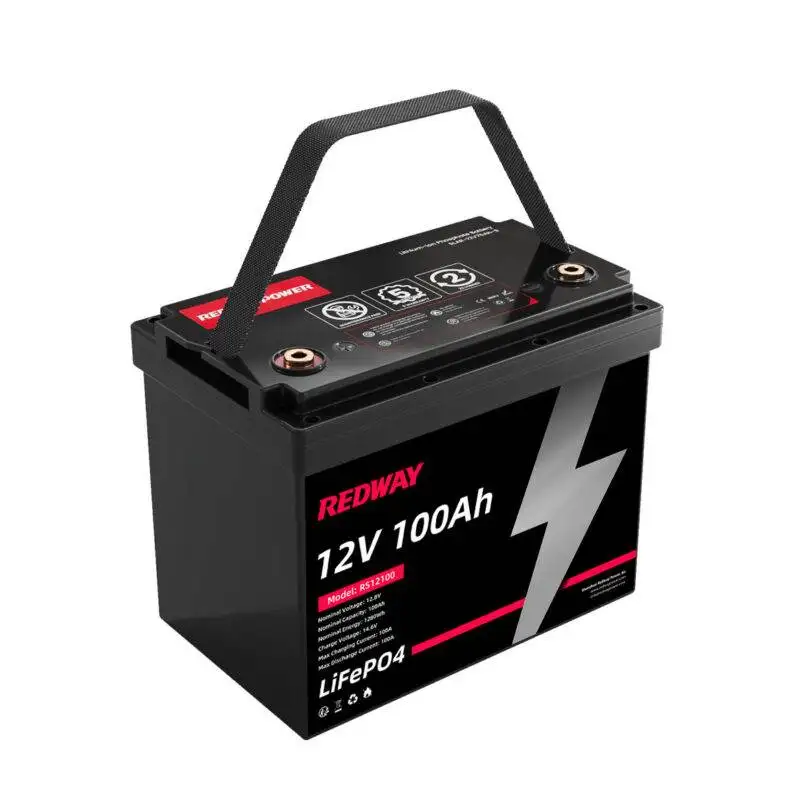
Battery energy. 12V 100Ah (about 1.28 kWh), 12V 150Ah (about 1.92 kWh) and 12V 200Ah (about 2.5 kWh) provide roughly 1.28–2.5 kWh class nameplate energy—usable planning energy is lower once reserve is kept.
Inverter. Size continuous and surge ratings above pump demand; see also BMS cut-out when inverter starts if the pack trips at motor start.
Charging. Keep a lithium-profile maintainer on grid power so the bank is full when the outage starts; charger settings mindset in charger settings.
Monthly test. Kill upstream power, confirm the pump runs from battery, and log runtime/SOC. Fix failures before storm season.
Alarms. Add a high-water alarm on separate power if possible so a dead pump is noticed.
Limits. This is backup for flooding risk reduction, not a promise for any particular storm duration without measured pump watts and tested hours. Keep serial numbers, photos and settings notes with the site file for later service or claims. Prefer written confirmation when thresholds, warranties, packing modes or inverter settings are involved. Re-check the live Redway product table before the purchase order is issued. Train the people who will operate or receive the equipment, not only the buyer who signed the quote. Schedule a short review after the first weeks of use so habits and settings can be corrected early. Documents such as manuals and test summaries are available on request when not shown on the public page. Keep serial numbers, photos and settings notes with the site file for later service or claims. Prefer written confirmation when thresholds, warranties, packing modes or inverter settings are involved.
↳ Replying to Redway Battery Editorial Team
Use the pump nameplate running and start current before buying inverter and battery sizes.
↳ Replying to Procurement perspective
Test the backup path monthly and after any wiring change.
↳ Replying to Selection/Engineering perspective
Keep the bank maintained at a high SOC on grid power between outages.
Size from the pump’s running and starting current (or watts), decide on a pure-sine inverter versus a manufacturer-approved DC arrangement, choose battery Wh for the outage hours you need with reserve, and keep a charger that maintains the bank on grid power. Test the system monthly by opening the supply breaker. Pump loads vary widely—use the nameplate, not a generic guess. Pair with float-switch safety so a failed pump is still visible.
Verify before ordering: Pump current and required outage hours are site-specific; confirm battery and inverter ratings with measured pump data and Redway pack pages.
Editorial Q&A for battery selection and operations. Product figures cited from Redway product pages.
Related products
 12V 100Ah Lithium Battery (LiFePO4, Self-heating, OEM)
 12V 200Ah Lithium Battery
 12V 150Ah Lithium Battery
Related articles & discussions
- What You Need to Know About Lithium Batteries for Backup Power
- Can You Charge a 36V Battery with a 12V Charger?
- How to Choose the Right Schumacher Battery Charger for 6V/12V Needs
- How to Choose the Right 12V Lithium LiFePO4 Manufacturer
- What Is the Best Grid-Tie Inverter with Battery Backup for Solar Power?
- Which 12V Battery Lasts Longest?
- Comprehensive Guide to 12V Deep Cycle Battery Chargers
- Can I Use a Normal 12V Charger on a Lithium Battery?
- How Long Can a 12V Deep Cycle Battery Last?
- How to Choose the Right 12V Battery Charger for Your Deep Cycle Battery
