




REDWAY BATTERY / KNOWLEDGE
How to Repair Golf Cart Batteries with Battery Liquid: A Comprehensive Guide
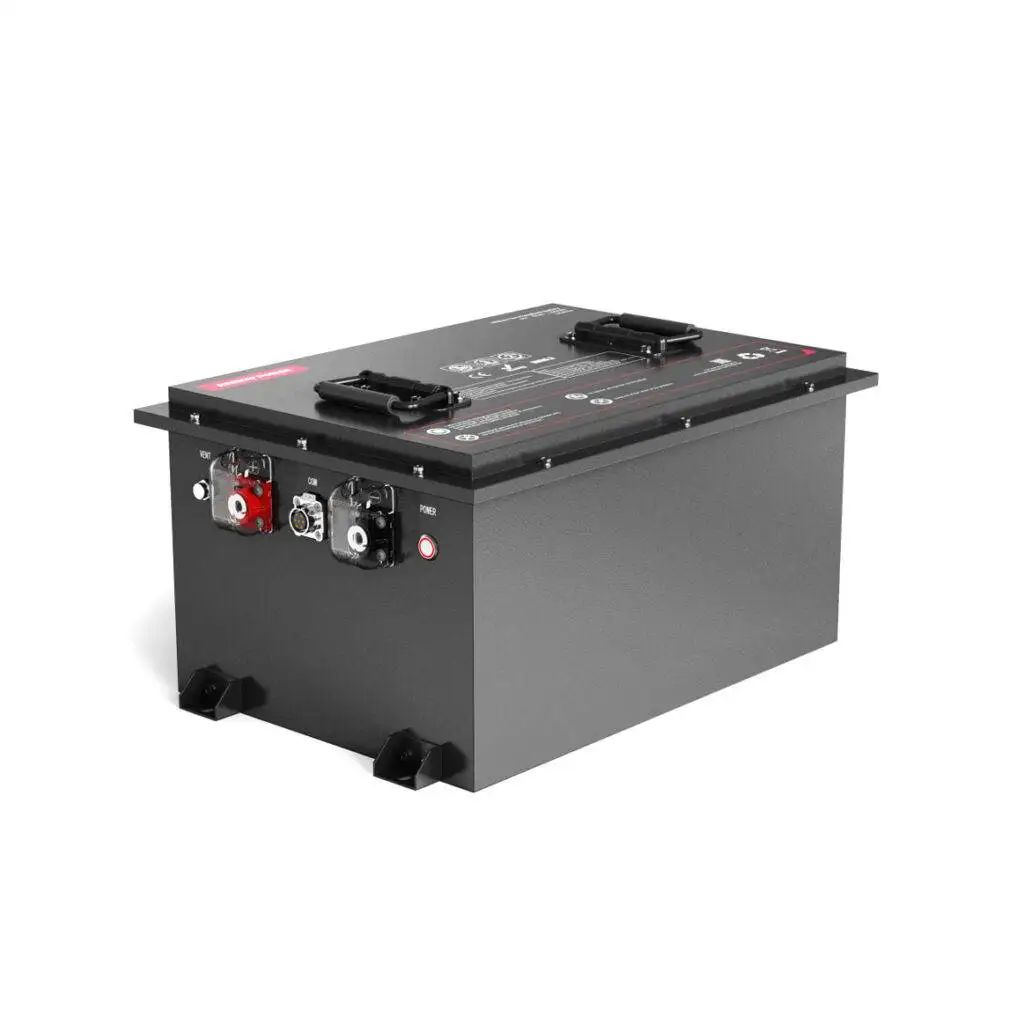
Repairing golf cart batteries with “battery liquid” means carefully maintaining flooded lead-acid batteries by adding distilled water to maintain electrolyte levels and prevent sulfation. Use only distilled water or approved battery balancers for equalization. Avoid unregulated repair liquids or Epsom salt solutions that might damage batteries. For persistent problems, check connections and charge levels, and consider professional help or replacement.
How Do You Identify Your Battery Type for Safe Maintenance?
Flooded lead-acid batteries require periodic watering and electrolyte level checks, while AGM and GEL batteries are sealed maintenance-free types that must not be refilled with liquid.
What Are the Steps to Check and Fill Electrolyte Levels?
Turn off the golf cart, remove vent caps, inspect each cell to ensure battery plates are covered with electrolyte, and add distilled water only if needed—avoiding overfilling to protect battery health.
How Should You Address Low Charge or Capacity Issues?
Inspect electrical connections for corrosion or looseness, fully recharge batteries, and verify electrolyte levels on flooded batteries to prevent underperformance.
What Is Sulfation and How Do You Prevent or Reverse It?
Sulfation is the buildup of lead sulfate crystals on battery plates reducing capacity. Proper charging and regular watering help prevent it; an equalization charge may dissolve some sulfation in flooded batteries.
How Can You Clean Corroded Battery Terminals?
Use a baking soda and water mixture to neutralize acid corrosion on terminals, rinse with water, dry thoroughly, and apply a petroleum jelly or terminal protector to prevent future corrosion.
What Is the Process of Equalization for Flooded Batteries?
Set the charger to equalize mode after verifying water levels. During charging, bubbles form in cells. Monitor specific gravity with a hydrometer hourly and stop equalizing when measurements stabilize.
When Should You Seek Professional Help or Replace Your Battery?
If your battery shows swelling, leakage, or severe damage, is an AGM/GEL type, or does not hold a charge after maintenance, replacement or professional servicing is necessary.
Golf Cart Battery Repair and Maintenance Essentials
| Step | Description | Benefit |
|---|---|---|
| Identify Battery Type | Distinguish flooded from sealed batteries | Prevents incorrect servicing |
| Check Water Levels | Inspect and add distilled water if low | Maintains electrolyte balance |
| Address Performance | Verify charging and connections | Restores capacity and function |
| Prevent Sulfation | Equalization charging as needed | Prolongs battery life |
| Clean Terminals | Neutralize corrosion with baking soda mix | Ensures solid electrical contact |
| Professional Help | Replace or service if damaged or sealed | Maintains safety and reliability |
This topic belongs to the wider Golf Cart Battery Troubleshooting: Symptoms and What They Mean, which brings the related decisions and practical checks together.
Redway Battery Expert Views
“Maintaining flooded batteries with proper distilled water filling and equalization extends their lifespan but requires care and regular attention. Redway Battery’s lithium golf cart batteries eliminate these hassles altogether, offering maintenance-free, efficient, and longer-lasting performance that modern golfers appreciate worldwide.” – Expert, Redway Battery
Conclusion
Repairing golf cart batteries with battery liquid involves carefully checking and maintaining electrolyte levels using distilled water in flooded lead-acid types, cleaning terminals, and applying equalization charging to combat sulfation. AGM and GEL batteries do not require such maintenance. For persistent issues, professional service or battery replacement is advised. Switching to Redway Battery’s lithium options offers a maintenance-free future with superior reliability and longevity.
FAQs
Can you add water to AGM or GEL batteries?
No, these sealed batteries do not require water.
What type of water should be used in flooded batteries?
Only distilled water to avoid contamination.
How often should electrolyte levels be checked?
Typically after charging or monthly with regular use.
Can sulfation be reversed?
Partially, with equalization charging for flooded batteries.
When should batteries be replaced instead of repaired?
If severely damaged, swollen, leaking, or no longer hold charge after maintenance.
