




REDWAY BATTERY / KNOWLEDGE
How Does a Golf Cart Battery Fill System Work?
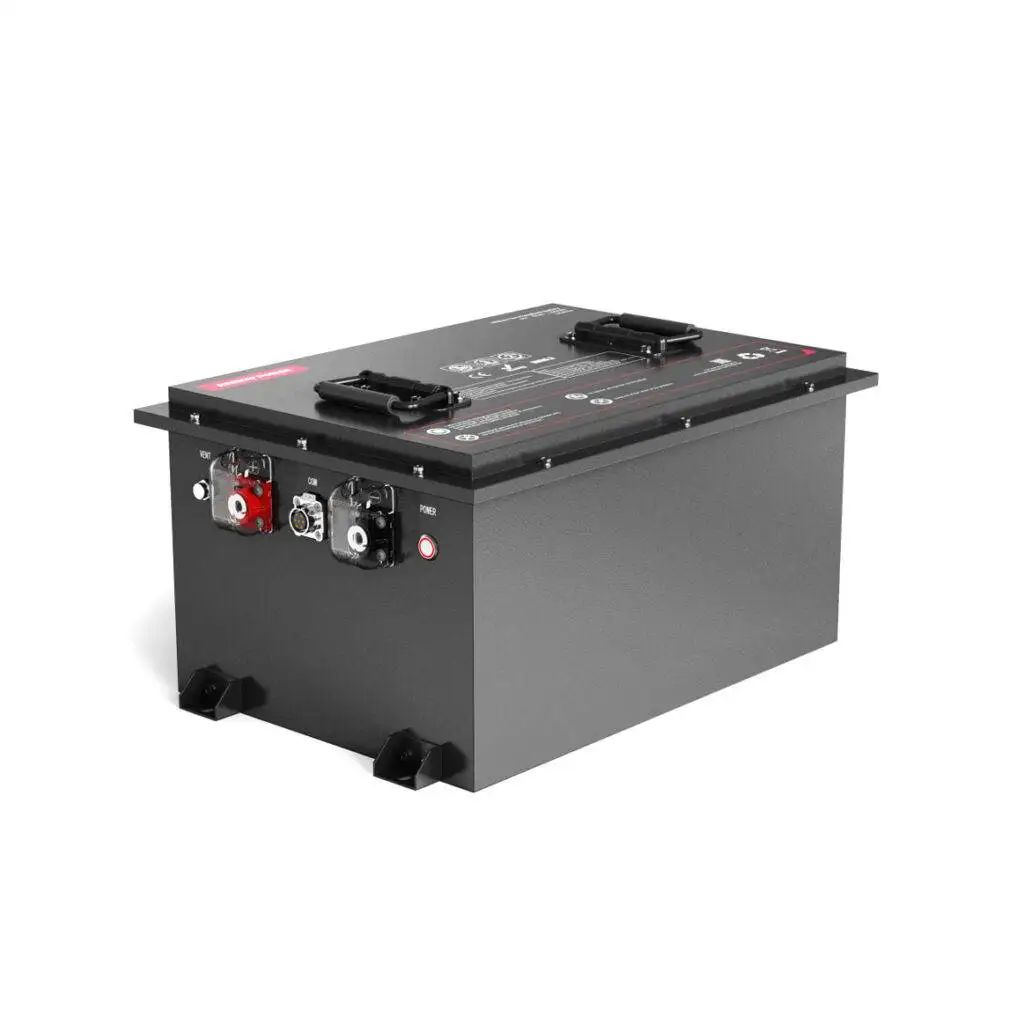
A golf cart battery fill system automates watering for lead-acid batteries, ensuring optimal electrolyte levels. It uses sensors, valves, and tubing to distribute distilled water when needed, reducing maintenance risks. This system prevents overwatering, extends battery life, and improves performance. Manual alternatives require frequent checks, while automated solutions prioritize safety and efficiency.
72V 100Ah Lithium Golf Cart Battery
What Are the Key Components of a Golf Cart Battery Fill System?
A golf cart battery fill system includes float sensors, a water reservoir, distribution tubing, and automatic valves. Sensors detect low electrolyte levels, triggering valves to release water from the reservoir. High-quality systems use anti-leak connectors and corrosion-resistant materials. These components work synergistically to maintain precise water levels without manual intervention.
How Do Manual and Automated Battery Fill Systems Compare?
Manual systems require monthly checks and careful water pouring, risking spills or under/overwatering. Automated systems eliminate guesswork, adding water only when sensors detect shortages. While manual options cost less upfront, automated systems reduce long-term labor costs and battery replacement frequency. Performance tests show automated systems improve battery lifespan by 20-30% compared to manual methods.
| Feature | Manual System | Automated System |
|---|---|---|
| Maintenance Frequency | Monthly | Quarterly |
| Water Accuracy | ±15% | ±3% |
| Battery Lifespan | 3-4 years | 5-7 years |
Why Should Golf Cart Owners Consider an Automated Fill System?
Automated systems prevent acid stratification and plate sulfation—common issues in under-watered batteries. They reduce maintenance time by 90% and minimize exposure to corrosive electrolytes. Courses with large fleets report 40% fewer battery failures after installation. The technology also ensures compliance with warranty requirements for proper battery care.
Advanced models now integrate with battery management systems to monitor cell voltage and temperature. This dual monitoring allows predictive maintenance alerts when batteries approach critical hydration thresholds. Fleet managers can track water usage patterns through mobile apps, optimizing refill schedules based on actual usage data rather than fixed intervals.
What Safety Features Do Modern Battery Fill Systems Include?
Advanced systems feature automatic shutoff valves, overflow protection, and dielectric caps to prevent acid spills. Some models include Bluetooth alerts for low reservoir levels or malfunctions. Explosion-proof tubing materials and spark-resistant connectors meet ANSI safety standards, making them suitable for hydrogen-emitting battery environments.
Can Existing Golf Carts Be Retrofitted with Automatic Watering Systems?
Most 36V and 48V golf carts can be retrofitted using universal kits within 2-3 hours. Installation involves mounting the reservoir, connecting tubes to battery cells, and calibrating sensors. Compatibility checks should verify battery post spacing and reservoir capacity. Retrofit costs typically range from $200-$500, depending on cart configuration and automation level.
New modular designs allow partial retrofits where owners can automate watering for battery banks in stages. This phased approach helps budget-conscious users prioritize critical batteries first. Post-installation calibration tools ensure even water distribution across all cells, preventing the common issue of uneven hydration in manual systems.
Modern battery fill systems represent a paradigm shift in energy management. Our tests at Redway show automated watering can extend Trojan T-105 lifespan from 4 to 6 years. The ROI becomes evident within 18 months for commercial operators through reduced downtime and water usage.”
— Redway Power Systems Engineer
News
1. Solid-State Battery Integration
Solid-state batteries, now entering commercial use, offer higher energy density and safer operation compared to traditional lead-acid or lithium-ion options. These batteries reduce maintenance needs and improve longevity for golf carts in demanding environments.
2. Cold-Weather Optimized Batteries
New “Sparrow” lithium batteries (e.g., from CATL) enhance performance in extreme temperatures, ensuring consistent power delivery in frosty conditions—a critical upgrade for golf courses in colder regions.
3. Wireless Charging Pads
Wireless charging stations are being piloted for golf carts, allowing automatic energy replenishment when parked. This eliminates manual plug-in steps and integrates with smart grid systems for efficient energy management.
FAQs
- How often should I check my automated fill system?
- Inspect reservoir levels monthly and perform full system diagnostics every 6 months. Even automated systems require occasional maintenance to ensure sensor accuracy and tube integrity.
- Can these systems work with lithium-ion batteries?
- No—lithium batteries are sealed and don’t require watering. Fill systems are exclusively for flooded lead-acid or AGM batteries needing electrolyte maintenance.
- What’s the average water consumption per charge cycle?
- A typical 48V system uses 8-16 oz of distilled water monthly, depending on usage intensity and environmental temperature. Automated systems reduce waste by 60% compared to manual pouring.
This topic belongs to the wider Golf Cart Battery Questions: Testing, Reviving and Storing, which brings the related decisions and practical checks together.
