REDWAY BATTERY / KNOWLEDGE
How to Convert a 64V Cart to Lithium Safely?
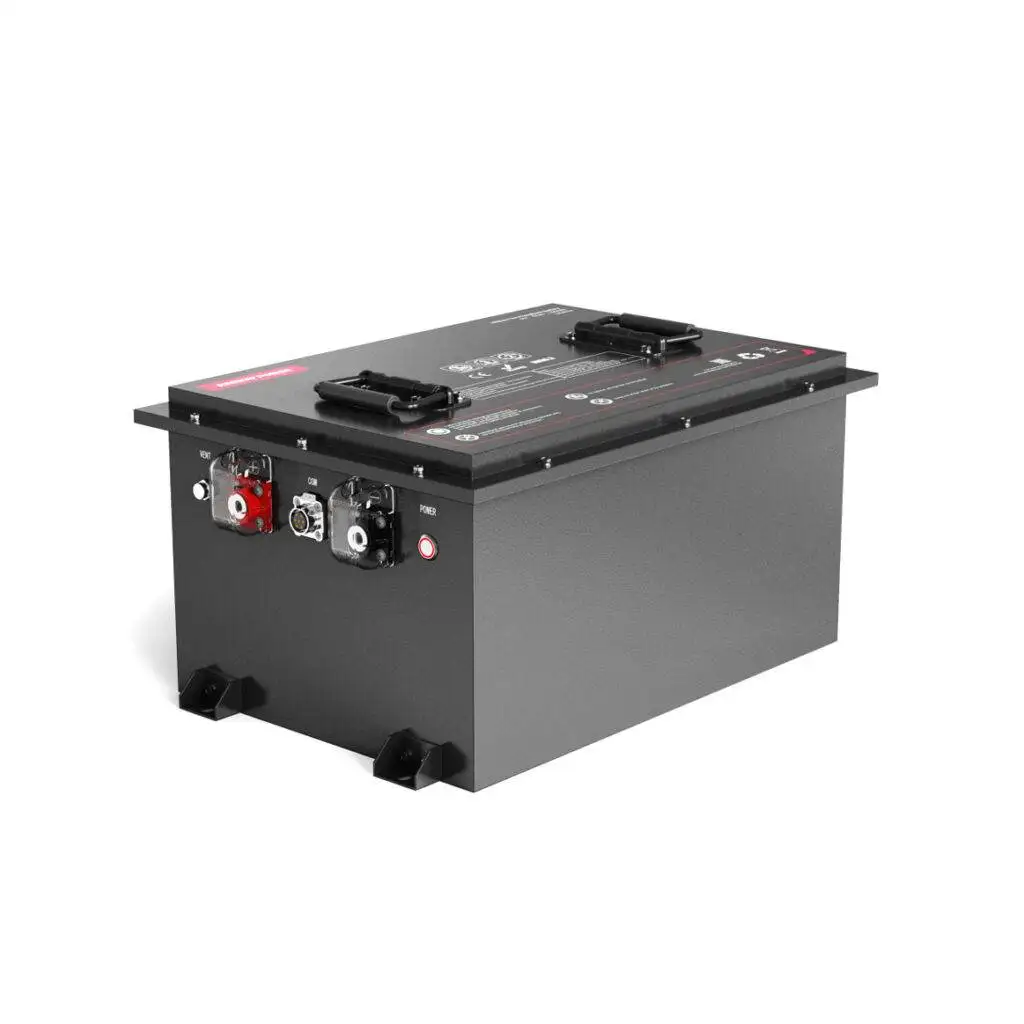
Converting a 64V cart to lithium safely involves meticulous voltage matching, selecting compatible lithium cells (e.g., LiFePO4), and integrating a robust battery management system (BMS). Key steps include recalibrating the controller for lithium’s discharge curve, upgrading charging infrastructure to 72V (for full charge), and ensuring mechanical/thermal stability. Pro Tip: Use a 20S LiFePO4 configuration (64V nominal) with a 20S BMS to maintain cell balance and prevent over-discharge.
Golf Cart Battery Replacement Cost
What lithium chemistry suits a 64V cart conversion?
LiFePO4 is ideal for 64V conversions due to its 3.2V nominal per cell, enabling a 20S configuration (64V). It offers thermal stability, 2000+ cycles, and minimal voltage sag under load. Nickel Manganese Cobalt (NMC) packs are lighter but require stricter thermal monitoring. Pro Tip: Avoid mixing lithium chemistries—stick to one type for uniform BMS management.
For a 64V system, LiFePO4 cells balance safety and performance. A 20S setup (20 cells in series) achieves 64V nominal (20 × 3.2V) and 72V fully charged. Unlike lead-acid, lithium batteries maintain voltage above 58V even at 20% capacity, preventing motor stalling. But what if the cart’s controller isn’t lithium-compatible? Older controllers may misinterpret lithium’s flat discharge curve, causing premature low-voltage cutoffs. Upgrading to a programmable controller resolves this. For example, a 20S LiFePO4 pack paired with a 64V-72V controller ensures seamless operation. Always validate BMS compatibility—20S systems need a BMS with 20-cell monitoring to prevent imbalance.
How to match lithium capacity with original 64V specs?
Calculate the cart’s energy consumption per mile and select lithium capacity (Ah) to meet or exceed the original lead-acid runtime. A 100Ah LiFePO4 pack provides ~6.4kWh, doubling lead-acid’s usable energy. Ensure the battery’s continuous discharge rate aligns with motor demands.
Lead-acid batteries typically deliver 50% usable capacity, whereas lithium offers 80–90%. If the cart originally used 200Ah lead-acid (64V × 200Ah × 0.5 = 6.4kWh usable), a 100Ah lithium pack (64V × 100Ah × 0.8 = 5.12kWh) might seem insufficient. However, lithium’s higher efficiency often compensates. Pro Tip: Multiply lead-acid Ah by 0.7 to find equivalent lithium capacity—e.g., 200Ah lead-acid ≈ 140Ah lithium. Also, verify the motor’s peak current. A 5kW motor at 64V draws ~78A continuous; the lithium pack must sustain this without triggering BMS shutdowns. For heavy loads, opt for cells rated ≥1C discharge (e.g., 100Ah cells handling 100A).
| Parameter | Lead-Acid | LiFePO4 |
|---|---|---|
| Usable Capacity | 50% | 80% |
| Cycle Life | 500 | 2000+ |
| Weight (100Ah) | 68 kg | 22 kg |
Redway Battery Expert Insight
FAQs
No—lead-acid chargers apply incorrect voltage profiles (e.g., float charging), risking lithium cell degradation. Use a lithium-specific charger with CC-CV stages and a 72V cutoff.
Is wiring modification necessary?
Often yes—lithium’s higher current may require thicker gauge cables. Replace any corroded connectors and ensure fuse ratings match the new battery’s max discharge current.
For connected guidance and the next practical steps, use the Battery Selection and Buying: Technology and System Fundamentals — Part 3.