REDWAY BATTERY / KNOWLEDGE
How To Store Golf Cart Battery Off Season?
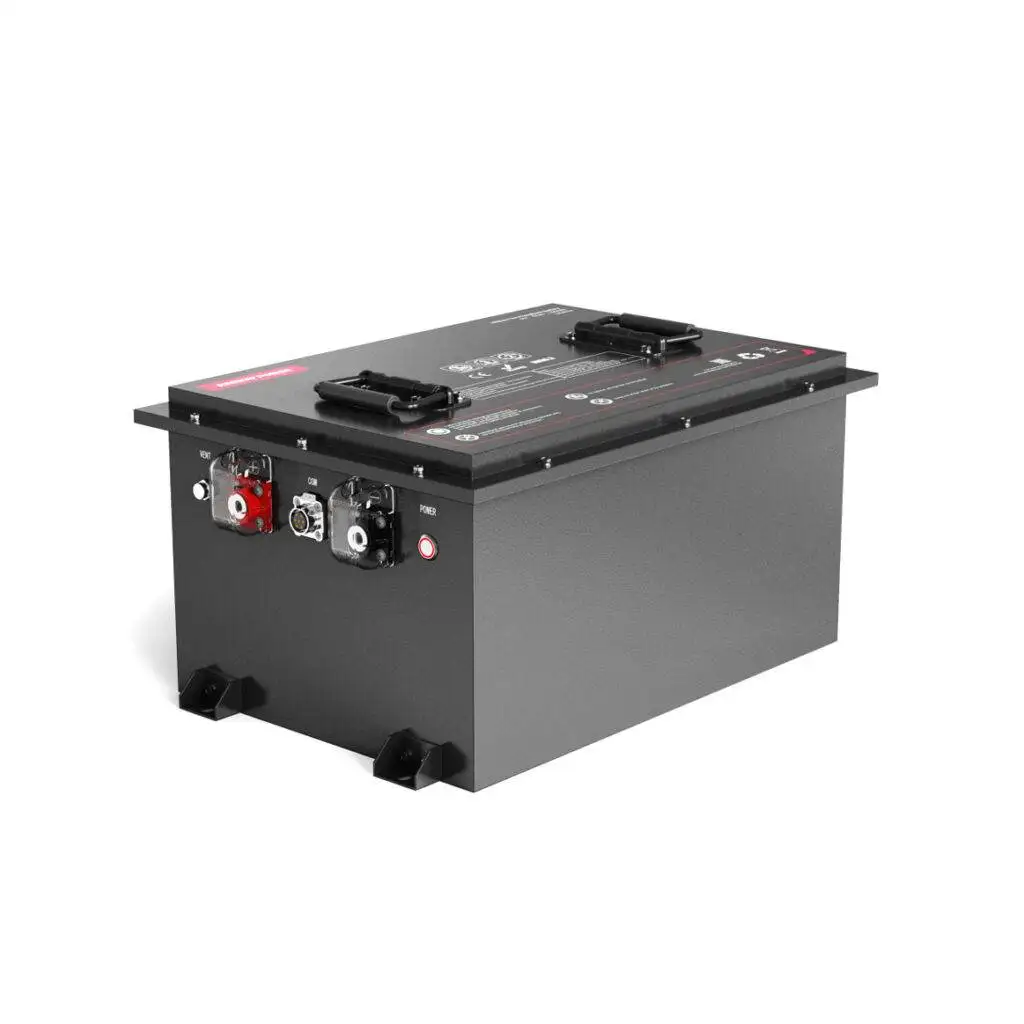
Proper off-season storage of golf cart batteries involves disconnecting terminals, cleaning corrosion, and maintaining a partial charge state (50–70% for lead-acid, 30–50% for lithium-ion). Store in a dry, cool environment (10–25°C) and recharge every 2–3 months. Use a maintenance charger for lead-acid types to prevent sulfation. Lithium batteries benefit from periodic monitoring via BMS to avoid deep discharge.
Restore Golf Cart Batteries with Epsom Salt (Step-by-Step)
What charge level is optimal for stored batteries?
Lead-acid batteries should stay at 50–70% charge to minimize sulfation, while lithium-ion packs perform best at 30–50% to reduce electrolyte degradation. Storing fully charged lithium batteries accelerates cathode stress, losing 3–5% capacity monthly vs. 1–2% at partial charge.
For lead-acid, a 12V battery needs ~12.4V (50% SOC). Why? Sulfation—a crystalline buildup on plates—starts below 12.2V. Pro Tip: Use a smart float charger maintaining 13.2V for flooded or 13.6V for AGM. Imagine a car parked for winter: tires retain air better when slightly underinflated, similar to battery charge balancing.
| Battery Type | Ideal Voltage | Max Storage Temp |
|---|---|---|
| Lead-Acid (Flooded) | 12.4V | 25°C |
| Lithium-Ion | 3.7V/cell | 40°C |
How does temperature affect battery storage?
Battery self-discharge rates double every 10°C above 20°C. Lithium-ion loses 2–3% monthly at 25°C vs 8–10% at 35°C. Lead-acid batteries freeze below -20°C if discharged, risking case cracks.
Practically speaking, garages or sheds without climate control often exceed 40°C in summer—enough to degrade lithium cells at 4x the normal rate. Pro Tip: Insulate batteries with thermal wraps if stored near heaters. Think of batteries as chocolate: just as heat melts cocoa butter, it destabilizes electrolytes. Store lithium packs at 10–25°C for minimal aging—akin to keeping milk refrigerated.
What maintenance steps prevent corrosion?
Clean terminals with a baking soda solution (1 tbsp per cup of water) to neutralize acid residue. Apply dielectric grease or petroleum jelly to create a moisture barrier. Inspect cables for fraying—corroded wires increase resistance, causing voltage drops.
After disconnecting cables (negative first!), scrub terminals with a brass brush. But what if corrosion is severe? Replace terminals immediately—greenish powder indicates advanced sulfation. For example, an 8V lead-acid terminal losing 0.5mm thickness reduces contact area by 20%, dropping efficiency.
| Corrosion Level | Voltage Drop | Action Required |
|---|---|---|
| Mild (White Powder) | 0.2–0.5V | Clean & Grease |
| Severe (Green Crust) | 1.2–2V | Terminal Replacement |
How often should stored batteries be recharged?
Lead-acid batteries need bi-monthly charging to stay above 50% SOC. Lithium-ion requires checks every 3 months—self-discharge is lower, but BMS parasitic drain (5–30mA) can deplete packs over 6–8 months.
Beyond voltage checks, use a load tester for lead-acid: a 48V pack dropping below 46V under 50A load needs immediate charging. Pro Tip: Set calendar reminders—human forgetfulness causes 60% of storage failures. It’s like watering plants; skip a session, and recovery becomes harder.
Can lithium batteries stay connected during storage?
Yes, but only with a BMS-enabled lithium pack that disconnects at low voltage. Disconnect lead-acid batteries entirely—parasitic drains (clocks, controllers) pull 10–30mA, draining a 200Ah pack in 8–12 months.
Modern lithium systems have <0.5mA self-discharge when disconnected. However, always check OEM guidelines—some golf cart controllers trickle-charge capacitors, unknowingly draining batteries. Ever left a phone plugged in? Similar phantom loads occur in EVs. Pro Tip: Use a battery disconnect switch on negative terminals for physical isolation.
Redway Battery Expert Insight
FAQs
Only lead-acid at full discharge—electrolyte becomes water-dominant, freezing at -8°C. Lithium batteries operate safely down to -20°C when stored.
How to check charge without a voltmeter?
Use a hydrometer for lead-acid (1.225 specific gravity = 50% charge). Lithium packs require a BMS app or multimeter.
What happens if stored on concrete floors?
Modern batteries don’t drain from concrete—myth from old wooden-case lead cells. Just ensure the area is dry.
This topic belongs to the wider Lithium Golf Cart Battery Care: Charging, Storage and Safety, which brings the related decisions and practical checks together.