




REDWAY BATTERY / KNOWLEDGE
Understanding the 36V 100Ah LiFePO4 Golf Cart Battery: Performance, Safety, and Commercial Value
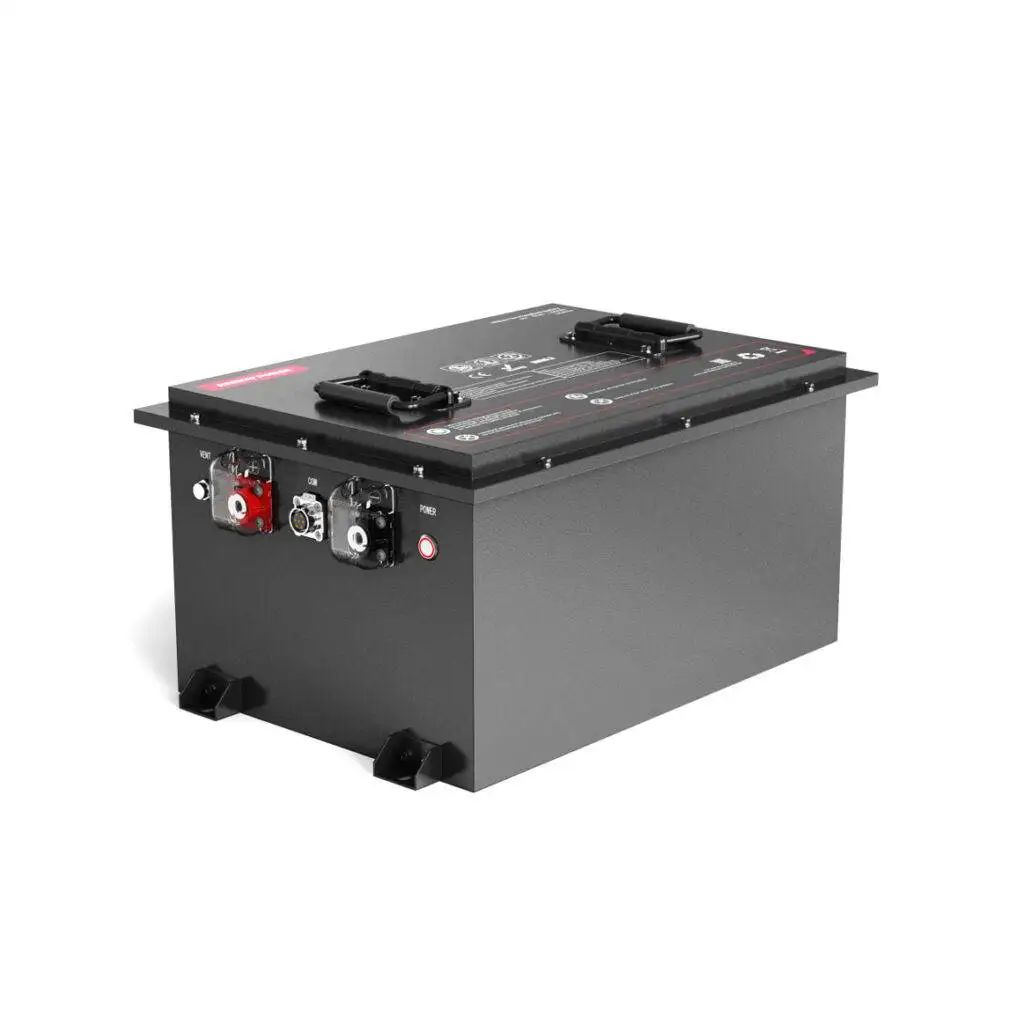
Lithium batteries are changing how electric vehicles and industrial equipment are powered. Among them, the 36V 100Ah LiFePO4 golf cart battery stands out as a reliable, long-life, and safe energy solution. This article takes a clear and practical look at how this battery works, why it matters, and how businesses can use it effectively. Using simple language and real-world logic, we explain the technology, performance, and commercial value behind this battery, with insights drawn from the manufacturing experience of Redway Battery.
What Is a 36V 100Ah LiFePO4 Golf Cart Battery?
A 36V 100Ah LiFePO4 battery is a lithium iron phosphate battery pack designed for electric golf carts and similar vehicles. Its nominal voltage is 38.4V, which fits standard 36V electrical systems. With a capacity of 100Ah, it delivers 3.84 kWh of usable energy.
LiFePO4 chemistry is known for safety, stability, and long service life. Compared with traditional lead-acid batteries, this type of lithium battery is lighter, more efficient, and far more durable. Redway Battery focuses on this chemistry because it balances performance and safety for commercial use.
Core Electrical Performance and Energy Output
The battery provides stable voltage during discharge, which means the vehicle maintains consistent power instead of slowing down as the battery drains. This is a key advantage for golf carts and industrial vehicles that operate for long hours.
| Parameter | Value |
|---|---|
| Nominal Voltage | 38.4V |
| Capacity | 100Ah |
| Energy | 3840 Wh |
| Typical Driving Range | 48–64 km |
This performance allows one full charge to support daily operations without frequent recharging, improving productivity and user experience.
Cycle Life and Long-Term Value
One of the strongest advantages of LiFePO4 batteries is cycle life. A cycle refers to one full charge and discharge.
Over 6,000 cycles at 80% depth of discharge
Over 15,000 cycles at 60% depth of discharge
Design life of up to 10 years
For fleet operators, this means fewer replacements and lower total cost of ownership. Redway Battery designs its packs with industrial-grade cells to ensure consistent performance across years of use.
Safety and Battery Management System (BMS)
Safety is critical in lithium battery applications. Each 36V 100Ah battery includes an intelligent BMS that monitors and protects the system in real time.
The BMS provides:
Overcharge and over-discharge protection
Over-current and short-circuit protection
Temperature monitoring and thermal protection
Cell balancing for long-term stability
These protections reduce failure risks and make the battery suitable for both indoor and outdoor environments.
Mechanical Design and Environmental Protection
The battery uses a metal housing with an IP67 protection rating. This design protects internal components from dust, water splashes, and temporary immersion.
It operates reliably across a wide temperature range, from -20°C to 65°C during discharge. This allows use in different climates, from cold storage facilities to hot outdoor locations. Redway Battery applies strict enclosure and sealing standards to ensure durability in real working conditions.
Application Scenarios Beyond Golf Carts
Although designed for golf carts, this battery is widely used in other electric and industrial systems:
Sightseeing vehicles
Electric scooters and utility vehicles
AGVs and industrial robots
Light-duty logistics equipment
Its stable output and long runtime make it suitable wherever reliable mobile power is required.
Manufacturing, OEM, and Supply Capabilities
Redway Battery operates multiple advanced factories with automated production lines and MES systems. Daily production capacity reaches thousands of battery packs, supporting bulk orders and long-term supply contracts.
OEM and ODM services include:
Custom capacity and dimensions
BMS current and communication options
Branding and labeling
Application-specific battery design
This flexibility allows distributors and equipment manufacturers to integrate batteries smoothly into their products.
Lithium vs Lead-Acid: A Practical Comparison
| Aspect | LiFePO4 Battery | Lead-Acid Battery |
|---|---|---|
| Cycle Life | 6,000+ cycles | 300–500 cycles |
| Weight | Lightweight | Heavy |
| Charging Speed | Fast | Slow |
| Maintenance | Maintenance-free | Regular maintenance |
| Usable Capacity | 80–90% | 50–60% |
For connected guidance and the next practical steps, use the LiFePO4 Golf Cart Battery Specs: Reading Voltage and Ah Together.
This comparison shows why many fleets are replacing lead-acid systems with lithium solutions from manufacturers like Redway Battery.
Redway Expert Views
“When customers evaluate a 36V lithium battery, they should look beyond capacity alone. True value comes from system safety, consistent cell quality, and long-term support. A well-designed LiFePO4 battery is not just a power source, but a reliability system that protects vehicles, operators, and investments. At Redway Battery, we focus on balancing performance, safety, and manufacturability so our partners can scale their businesses with confidence.”
Conclusion: Key Takeaways and Practical Advice
The 36V 100Ah LiFePO4 golf cart battery is a mature, dependable solution for electric mobility and industrial power needs. Its long cycle life, strong safety systems, and stable performance make it a clear upgrade from lead-acid batteries. For businesses, choosing a reliable manufacturer like Redway Battery ensures consistent quality, customization support, and long-term service.
Actionable advice:
Match battery specifications to real operating loads
Prioritize BMS quality and enclosure protection
Work with experienced OEM manufacturers for long-term supply stability
Frequently Asked Questions
What makes LiFePO4 safer than other lithium batteries?
LiFePO4 chemistry is more thermally stable and less prone to overheating or fire.
How long does a 36V 100Ah LiFePO4 battery last?
With proper use, it can last up to 10 years or several thousand charge cycles.
Can this battery replace lead-acid batteries directly?
Yes, it is designed as a drop-in replacement for many 36V lead-acid systems.
Is customization available for OEM projects?
Yes, Redway Battery provides full OEM and ODM customization services.
What industries benefit most from this battery?
Golf carts, industrial vehicles, logistics equipment, and light electric mobility sectors benefit the most.
