




REDWAY BATTERY / KNOWLEDGE
How Can Rechargeable Golf Cart Batteries Revolutionize Efficient Mobility for Modern Golf Courses?
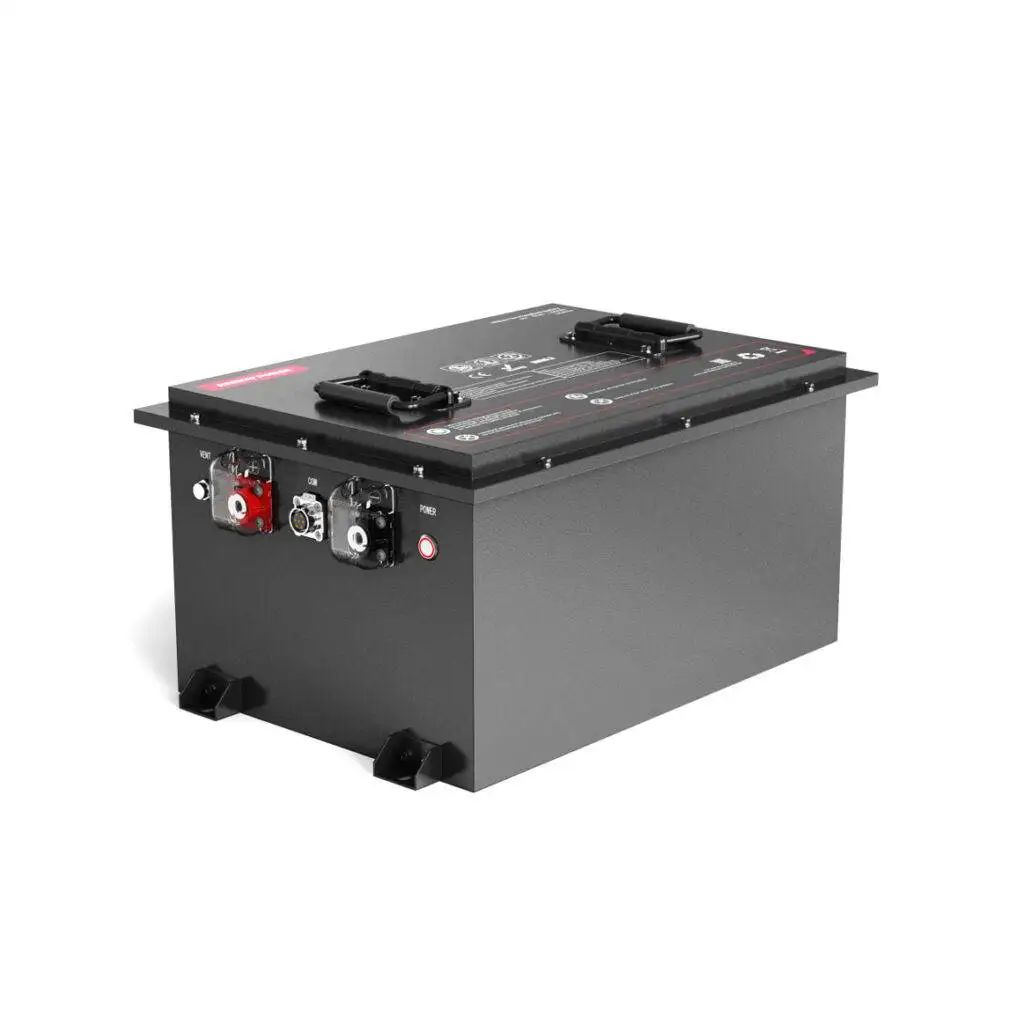
The shift toward rechargeable golf cart batteries is reshaping the golf and leisure transport industry by offering cleaner, longer-lasting, and more cost-effective power solutions. Brands like Redway Battery are leading this transformation with advanced lithium technology that boosts performance and sustainability.
What Is the Current State of the Golf Cart Battery Industry and Its Pain Points?
According to data from the National Golf Foundation (2025), over 70% of golf courses in the U.S. now rely on electric carts, yet battery performance remains a consistent pain point. Lead-acid batteries still power many fleets, leading to frequent replacements, maintenance downtime, and environmental waste. The global golf cart battery market exceeded USD 195 million in 2024 and is projected to grow steadily due to increasing recreational and commercial demand.
Despite this growth, fleet operators face escalating energy costs and environmental pressure to shift from lead batteries to safer, more efficient alternatives. Lead-acid batteries typically last 2–3 years, while poor charging habits and temperature sensitivity further shorten their lifespan. Additionally, limited energy density restricts driving range, frustrating both users and course managers seeking longer operational hours.
The result is a pressing need for innovation—one that reduces maintenance overhead, increases efficiency, and contributes to carbon-neutral operations. Rechargeable lithium golf cart batteries, such as those developed by Redway Battery, are emerging as the preferred solution for these challenges.
Why Are Traditional Lead-Acid Solutions No Longer Enough?
Traditional sealed or flooded lead-acid batteries have dominated the market for decades but come with inherent drawbacks:
Low energy density resulting in limited mileage.
High weight impacting overall vehicle performance.
Long charging times and frequent maintenance cycles.
Acid leakage risks and lower recycle efficiency.
A golf cart running on lead-acid batteries typically requires replacement every few years, adding to long-term costs. Environmental regulations in key markets now pressure golf courses to adopt cleaner battery technologies, highlighting the unsustainable nature of old systems.
How Does Redway Battery’s Rechargeable Solution Address These Challenges?
Redway Battery’s LiFePO4 (Lithium Iron Phosphate) golf cart batteries combine safety, performance, and lifecycle economy. Their smart design delivers consistent voltage, rapid charging, and over 3,500–5,000 cycles, ensuring reliable operation for nearly a decade. As an OEM manufacturer with ISO 9001:2015 certification, Redway customizes every battery to fit fleet sizes, voltage requirements, and application load profiles.
Key features include intelligent BMS (Battery Management System) protection, temperature control, fire-resistant chemistry, and optional Bluetooth monitoring for real-time performance insights.
Which Key Advantages Differentiate Lithium Solutions from Traditional Systems?
| Feature | Traditional Lead-Acid Battery | Redway Lithium (LiFePO4) Battery |
|---|---|---|
| Energy Density | Low | 3× higher per unit weight |
| Lifespan | 2–3 years | 8–10 years |
| Maintenance | Regular topping & cleaning | Fully maintenance-free |
| Charging Time | 6–8 hours | 1.5–2 hours |
| Weight | Very heavy | 50–60% lighter |
| Environmental Impact | Contains lead & acid | 100% recyclable, non-toxic |
| Operational Downtime | High | Minimal with smart charging |
For the surrounding sizing, selection, installation and maintenance decisions, continue with the Charging a Golf Cart Battery: Habits That Decide Pack Life.
How Can Users Implement Redway Battery’s Rechargeable System Step-by-Step?
Assessment: Analyze the current fleet voltage (36V/48V, etc.) and capacity requirements.
Customization: Order the Redway LiFePO4 battery system tailored for voltage and current specs.
Installation: Retrofit directly into existing golf carts using plug-and-play connectors.
Calibration: Sync with the onboard charger and BMS system for optimal settings.
Operation & Monitoring: Track charge cycles, voltage, and temperature via mobile or dashboard app.
Maintenance: Conduct periodic visual checks; no fluid or corrosion management required.
What Are Four Real-World Use Cases Demonstrating ROI and Efficiency Gains?
1. Premium Golf Course – Operational Efficiency
Problem: Frequent battery downtimes disrupted client experience.
Traditional Outcome: Weekly maintenance and biannual replacements.
After Redway Implementation: Downtime reduced by 80%; annual savings of $15,000 on replacements.
Key Benefit: Consistent fleet readiness and improved guest satisfaction.
2. Resort Fleet – Cost Optimization
Problem: High electricity and battery recycling costs.
Traditional Outcome: Lead-acid disposal fees and frequent charging cycles increased expenses.
After Redway Implementation: Energy consumption reduced by 35%; lifespan exceeded 8 years.
Key Benefit: Rapid ROI within 24 months of deployment.
3. University Campus Mobility – Sustainability Drive
Problem: Pressure to reduce carbon footprint in transport services.
Traditional Outcome: Outdated lead batteries required constant charging infrastructure upgrades.
After Redway Implementation: Zero acid waste, simplified charging stations.
Key Benefit: Met sustainability targets and reduced total emissions.
4. Municipal Golf Course – Fleet Longevity
Problem: Challenging terrain caused premature wear on batteries.
Traditional Outcome: Frequent replacements led to budget overruns.
After Redway Implementation: Stable discharge under load, reduced mechanical strain.
Key Benefit: Extended lifespan and 25% lower maintenance cost per year.
Why Is Now the Time to Adopt Rechargeable Lithium Golf Cart Batteries?
The combination of tightening environmental regulations, escalating energy prices, and evolving customer expectations makes the transition to lithium technology inevitable. According to market analysts, lithium-based solutions will dominate over 65% of new golf cart battery sales by 2030. Forward-looking institutions and golf course operators choosing Redway Battery now gain a long-term competitive advantage through reliability, lower TCO, and sustainability. Acting today means securing stable, high-performance energy for the next decade.
FAQ
1. Are lithium golf cart batteries safe to use?
Yes. LiFePO4 chemistry used by Redway Battery is chemically stable, non-flammable, and resistant to overheating.
2. Can I retrofit my existing golf cart with a Redway lithium battery?
Yes. Redway designs plug-and-play lithium packs compatible with most existing golf cart models.
3. How long does a Redway lithium battery last compared to lead-acid?
Redway batteries last up to 10 years or 5,000 charge cycles—three to four times longer than lead-acid systems.
4. Does a lithium battery require special maintenance?
No. Redway’s packs are maintenance-free, eliminating the need for water refilling or acid checks.
5. Are Redway batteries environmentally friendly?
Yes. They are 100% recyclable and free from toxic lead or heavy metals, aligning with green energy standards.
Sources
National Golf Foundation – https://www.ngf.org
MarketsandMarkets: Golf Cart Battery Market Forecast 2024–2030 – https://www.marketsandmarkets.com
Redway Battery Official Website – https://www.redwaybattery.com
International Energy Agency (IEA) Electric Mobility Report – https://www.iea.org
U.S. Department of Energy – Vehicle Technologies Office – https://www.energy.gov/eere/vehicles
