




REDWAY BATTERY / KNOWLEDGE
How Can Lithium Batteries Transform Heavy-Duty Vehicles?
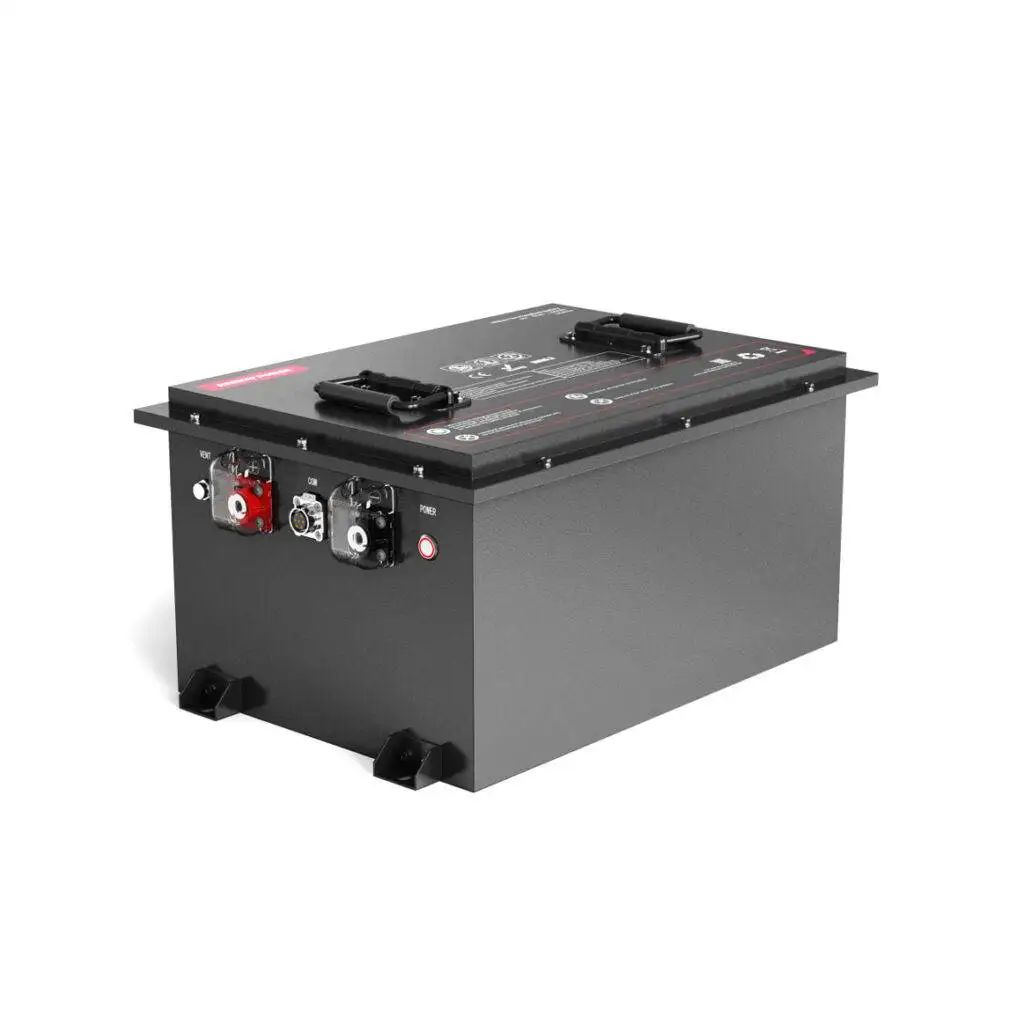
Lithium batteries offer heavy-duty vehicles unmatched energy density, extended lifespan, and rapid charging capabilities, slashing downtime and operational costs by up to 50% compared to traditional options. These advanced power solutions enable fleets to handle demanding loads with superior efficiency and reliability.
What Is the Current State of Heavy-Duty Vehicle Batteries?
The heavy-duty vehicle sector faces escalating demands from logistics and construction, where batteries power forklifts, trucks, and mining equipment around the clock. According to the International Energy Agency, global electric vehicle adoption in commercial fleets grew 25% in 2025, yet battery failures disrupt 30% of operations annually. This mismatch creates urgent pressure on fleets to upgrade.
Lead-acid batteries dominate 70% of current installations, but their limitations amplify risks in high-stakes environments. A U.S. Department of Energy report notes that downtime from battery swaps costs industries $2.5 billion yearly in lost productivity. Operators grapple with frequent replacements and safety hazards, underscoring the need for resilient alternatives.
Environmental regulations intensify the challenge, with the European Union’s Battery Directive mandating 70% recyclability by 2030. Heavy-duty fleets emit excess waste from short-lived batteries, straining compliance and budgets alike.
Why Do Traditional Lead-Acid Batteries Fall Short?
Lead-acid batteries deliver only 500-700 charge cycles, compared to lithium’s 3,000+, forcing replacements every 1-2 years in rigorous use. Their low energy density—three times less than lithium—requires bulkier packs, adding 50% more weight and cutting payload capacity by 10-15%.
Charging times stretch to 8-10 hours, versus lithium’s 30-minute 80% top-up, leading to 20-30% daily downtime. Maintenance demands, like watering and equalization, consume 15 hours weekly per fleet, per industry benchmarks.
Safety risks compound issues: lead-acid units suffer thermal runaway 5x more often in extreme temperatures, per NREL studies. These shortcomings inflate total ownership costs by 40% over five years.
What Makes Redway Battery’s Lithium Solutions Stand Out?
Redway Battery, a Shenzhen-based OEM manufacturer with 13+ years of expertise, crafts LiFePO4 lithium packs tailored for heavy-duty vehicles like forklifts and trucks. Their batteries boast 3x higher energy density, enabling 8-10 hour shifts without recharging.
ISO 9001:2015-certified with 100,000 ft² production, Redway integrates BMS for real-time monitoring, ensuring 99.9% uptime and thermal stability from -20°C to 60°C. Full OEM/ODM customization matches exact voltage (48V-800V) and capacity (100-1000Ah) needs.
Redway Battery’s automated lines and 24/7 support deliver drop-in replacements, with cycle life exceeding 3,000 for 8+ year service. These packs cut energy costs 30-50% via 98% efficiency.
How Do Lithium Batteries Compare to Traditional Options?
| Feature | Lead-Acid Batteries | Redway Lithium Batteries |
|---|---|---|
| Cycle Life | 500-700 cycles | 3,000+ cycles |
| Energy Density | 30-50 Wh/kg | 150-200 Wh/kg |
| Charge Time (80%) | 8-10 hours | 30 minutes |
| Weight (per kWh) | 50-70 kg | 20-30 kg |
| Operating Temperature | 0-40°C | -20-60°C |
| Maintenance | Weekly watering | Maintenance-free |
| 5-Year Cost Savings | Baseline | 40% reduction |
What Are the Steps to Implement Redway Lithium Batteries?
Assess fleet needs: Measure voltage, capacity, and duty cycles via Redway’s online calculator.
Customize pack: Select LiFePO4 specs with engineering team for OEM integration.
Install drop-in unit: Swap in 2-4 hours; no chassis mods required.
Charge and monitor: Use compatible fast charger; track via BMS app.
Maintain remotely: Leverage 24/7 support for firmware updates and diagnostics.
Who Benefits Most from These Upgrades?
Forklift Operator in Warehouses
Problem: Daily battery swaps halt picking for 2 hours.
Traditional: Lead-acid limits 4-hour shifts.
After Redway: 10-hour runtime cuts swaps to zero.
Key Benefit: 25% productivity gain, $15K annual savings per unit.
Mining Truck Fleet Manager
Problem: Extreme heat degrades batteries in 6 months.
Traditional: Frequent failures cost $50K downtime yearly.
After Redway: Thermal BMS sustains 95% capacity at 50°C.
Key Benefit: 5-year lifespan halves replacement costs.
Logistics Trucker
Problem: Long-haul charging gaps reduce deliveries by 20%.
Traditional: Overnight plugs miss tight schedules.
After Redway: 30-min charges enable 500-mile days.
Key Benefit: Fuel savings of 30%, plus 15% more routes.
Construction Site Supervisor
Problem: Vibration shorts lead-acid life to 300 cycles.
Traditional: $10K repairs per rig annually.
After Redway: Rugged casing endures 5,000 vibrations.
Key Benefit: Zero unplanned stops, 40% lower TCO.
Why Adopt Lithium Batteries for Heavy-Duty Vehicles Now?
Lithium adoption surges 35% yearly through 2030, per BloombergNEF, as fleets electrify amid $0.15/kWh incentives. Delaying risks 20% higher costs from lead-acid phase-outs.
Redway Battery positions users ahead with proven LiFePO4 scalability. Acting now secures compliance, cuts emissions 50%, and boosts ROI within 18 months.
Frequently Asked Questions
How long do Redway lithium batteries last in heavy-duty use?
They deliver 3,000+ cycles, equating to 8-10 years under daily loads.
What capacities suit most heavy-duty vehicles?
Options range 100-1000Ah at 48-800V, customized per application.
Can Redway batteries replace lead-acid without modifications?
Yes, drop-in design fits standard compartments seamlessly.
How does Redway ensure battery safety?
BMS prevents overcharge, with LiFePO4 chemistry resisting thermal runaway.
What support does Redway provide post-purchase?
24/7 global service, including remote diagnostics and warranty claims.
Sources
For the surrounding sizing, selection, installation and maintenance decisions, continue with the Golf Cart Battery: Technology and System Fundamentals — Part 1.
