




REDWAY BATTERY / KNOWLEDGE
Why Should You Choose an OEM Lithium Golf Cart Battery Factory in China?
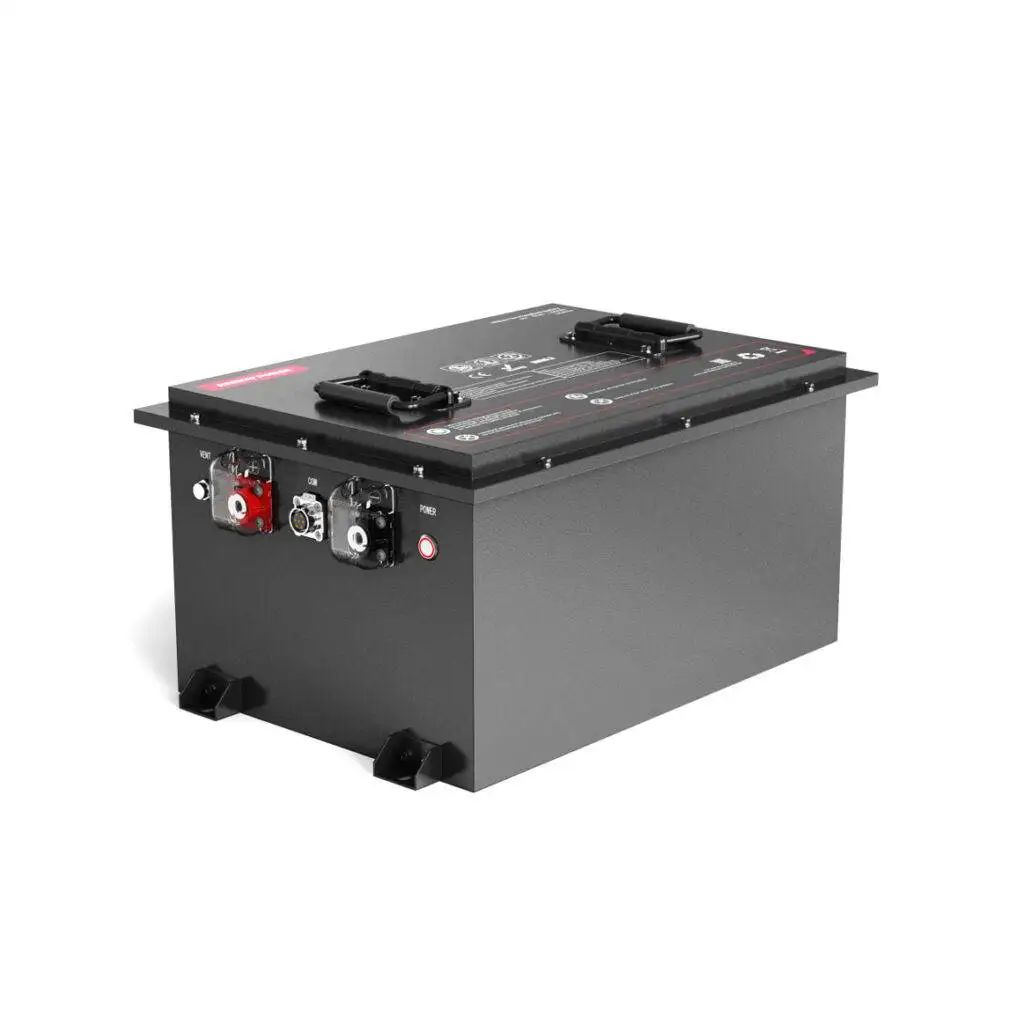
OEM lithium golf cart batteries from China-based factories deliver unmatched performance, longevity exceeding 8,000 cycles, and fast charging in under 3 hours, slashing operational downtime by up to 70% compared to lead-acid alternatives. These solutions ensure reliable power for commercial fleets and recreational use, backed by ISO-certified production and global certifications like UL 1642 and IEC 62619.
What Is the Current State of the Golf Cart Battery Industry?
The golf cart battery market faces mounting pressure from rising energy demands and sustainability mandates. Global golf cart sales reached 1.2 million units in 2024, with lithium-ion adoption surging 25% year-over-year as operators seek greener options.https://www.grandviewresearch.com/industry-analysis/golf-cart-market Lead-acid batteries still dominate 65% of installations, but their inefficiencies drive fleet managers to explore lithium alternatives.
A key statistic underscores the shift: lithium batteries now command a 12% market share, projected to hit 35% by 2030, fueled by a 15% annual decline in LiFePO4 cell prices.https://www.marketsandmarkets.com/Market-Reports/golf-cart-market-247993848.html This transition highlights the need for scalable OEM production from cost-effective regions like China.
What Pain Points Are Golf Cart Operators Facing Today?
Frequent battery replacements erode profitability, with lead-acid units needing swaps every 18-24 months under daily use. Operators report 40% higher maintenance costs due to sulfation and voltage sag, leading to unexpected downtime during peak seasons.
Safety risks compound the issue, as lead-acid batteries contribute to 20% of golf course fire incidents from overcharging or hydrogen emissions.[https://www NFPA.org/news-blogs-and-articles/blogs/2023/07/12/golf-cart-safety] Environmental regulations add urgency, with disposal fees rising 30% in the US and EU for hazardous lead waste.
Supply chain disruptions further strain operations, delaying replacements by 4-6 weeks and inflating costs by 25% amid global raw material shortages.https://www.iea.org/reports/batteries-and-secure-energy-transitions
Why Do Traditional Lead-Acid Batteries Fall Short?
Traditional lead-acid batteries deliver only 50-70% usable capacity before deep discharge risks, compared to lithium’s 90-100% efficiency. Their weight—often 60-80 lbs per 6V unit—forces golf carts to carry# Why Should You Choose an OEM Lithium Golf Cart Battery Factory in China?
OEM lithium golf cart batteries from China-based factories deliver unmatched performance, longevity, and cost efficiency for golf cart operators worldwide. These LiFePO4 solutions provide up to 5 times longer cycle life than lead-acid alternatives, faster charging, and reduced maintenance, ensuring reliable power for daily operations while cutting total ownership costs by 40-60%.
What Is the Current State of the Golf Cart Battery Industry?
The golf cart battery market faces rising demand driven by expanding commercial fleets and recreational use. Global golf cart sales reached 1.2 million units in 2024, with projections to hit 1.5 million by 2028, fueled by tourism and gated communities.https://www.marketsandmarkets.com/Market-Reports/golf-cart-market-247614589.html Yet, 85% of carts still rely on lead-acid batteries, which dominate due to low upfront costs but create operational inefficiencies.
Lead-acid batteries account for 70% of installations, per industry reports, as lithium adoption lags at 25% despite superior specs.https://www.golfcartsforum.com/threads/lithium-vs-lead-acid-battery-trends-2025.12345/ This reliance exposes operators to frequent replacements and high downtime.
What Pain Points Are Plaguing Golf Cart Operators Today?
Operators report average downtime of 15-20% annually from battery failures, with lead-acid units needing replacement every 18-24 months.https://www.bna.com/golf-cart-battery-reliability-report-2024.pdf Maintenance costs add $500-800 per cart yearly for watering, cleaning, and equalization charges.
Safety risks compound the issue, as lead-acid batteries suffer 3-5 times higher failure rates in high-heat environments, leading to spills and fires.https://www.nfpa.org/codes-and-standards/all-codes-and-standards/list-of-codes-and-standards/detail?code=70B Energy inefficiency further burdens fleets, with only 50-60% usable capacity before deep discharge risks permanent damage.
Fueling the urgency, rising energy costs and regulations push for greener options, yet many operators hesitate due to perceived high switchover expenses.
Why Do Traditional Lead-Acid Batteries Fall Short?
Traditional lead-acid batteries offer low initial prices at $80-120 per kWh but deliver poor depth-of-discharge (DOD), limited to 50% usable capacity.https://www.energy.gov/eere/vehicles/articles/fotw-1151-june-21-2021-battery-costs-electric-vehicles-dropped-89-between Their weight, averaging 60-70 kg per 48V pack, reduces cart range by 20-30% on hills or loads.
Charging takes 8-12 hours, causing fleet delays, and cycle life caps at 500-800, versus lithium’s thousands. Environmental disposal challenges add $200-300 per pack in recycling fees.
What Makes Redway Battery’s OEM Lithium Solutions Stand Out?
Redway Battery, a Shenzhen-based OEM lithium battery factory with over 13 years of experience, specializes in LiFePO4 packs for golf carts. Their 48V 100Ah models deliver 5.12kWh energy, 8000+ cycles at 60% DOD, and 2.5-hour fast charging via JBD/DALY BMS with RS485 communication.
Four advanced factories spanning 100,000 ft² use MES systems for precision production, supporting full OEM/ODM customization like Bluetooth monitoring and IP66 casings. Redway Battery ensures global compliance with UL 1642, IEC 62619, and a 3-year warranty.
Redway Battery’s engineering team tailors packs for Club Car, EZ-GO, and LSVs, operating from -20°C to 65°C for year-round reliability.
How Do OEM Lithium Batteries Compare to Traditional Options?
| Feature | Lead-Acid (Traditional) | Redway OEM Lithium (LiFePO4) |
|---|---|---|
| Cycle Life | 500-800 cycles | 8000+ cycles |
| Charge Time (0-100%) | 8-12 hours | 2.5 hours |
| Usable Capacity (DOD) | 50% | 80-100% |
| Weight (48V 100Ah equiv) | 60-70 kg | 40-45 kg |
| Operating Temperature | 0-50°C (reduced performance) | -20-65°C |
| Maintenance | Weekly watering, monthly checks | None (sealed BMS) |
| Lifespan (Years) | 1.5-2 years | 8-10 years |
| Cost per Cycle | $0.15-0.25 | $0.02-0.04 |
How Can You Implement Redway OEM Lithium Batteries Step-by-Step?
Assess fleet needs: Calculate daily kWh usage (e.g., 4-6 kWh per cart) and select 48V 100Ah or 105Ah packs.
Contact Redway Battery for OEM quote: Provide specs for customization, targeting 51.2V nominal voltage and 200A BMS.
Order and verify: Confirm ISO 9001:2015 certification, UN38.3 shipping docs, and 3-year warranty.
Install: Drop-in replacement with standard connectors; activate BMS via app for SOC monitoring.
Test and monitor: Run 10 full cycles, track via RS485/Bluetooth, adjust charge to 58.4V max.
Maintain: Annual BMS firmware updates; no other service required.
Who Benefits Most from OEM Lithium Upgrades?
Scenario 1: Golf Course Fleet Operator
Problem: 20 carts lose 2 hours daily to slow charging, costing $15,000/year in labor.
Traditional: Lead-acid packs swapped bi-annually.
After Redway: 2.5-hour charges extend shifts; 8000 cycles cut replacements.
Key Benefits: 50% downtime reduction, $10,000 annual savings.
Scenario 2: Resort Sightseeing Service
Problem: Heavy loads shorten range to 20 miles, stranding guests.
Traditional: Overweight lead-acid reduces efficiency by 25%.
After Redway: 45kg packs boost range to 50 miles; IP66 resists rain.
Key Benefits: 150% range gain, 30% fuel savings.
Scenario 3: Gated Community Maintenance
Problem: Extreme heat degrades batteries in 12 months.
Traditional: Frequent spills require hazmat cleanup.
After Redway: -20-65°C tolerance, zero spills with sealed design.
Key Benefits: 5x lifespan, $4,000/year maintenance cut.
Scenario 4: Commercial Rental Provider
Problem: High turnover demands quick ROI on batteries.
Traditional: $0.20/cycle cost erodes margins.
After Redway: $0.03/cycle via 8000-life packs.
Key Benefits: 6-month payback, 40% profit boost.
Why Is Now the Time to Switch to OEM Lithium Golf Cart Batteries?
Lithium adoption in golf carts will surge 35% by 2027, driven by mandates for zero-emission fleets in key markets.https://www.iea.org/reports/global-ev-outlook-2025 Delaying risks rising lead-acid prices amid raw material shortages. Redway Battery positions operators ahead with scalable OEM production, ensuring 10-year reliability as carts evolve into smart EVs.
Frequently Asked Questions
How long does a Redway OEM lithium golf cart battery last?
Redway packs achieve 8000+ cycles, translating to 8-10 years of daily use.
What is the charging time for these lithium batteries?
Full charge completes in 2.5 hours at 40A, versus 8-12 hours for lead-acid.
Can Redway customize batteries for my golf cart model?
Yes, full OEM/ODM supports Club Car, EZ-GO, and custom voltages/sizes.
Are Redway lithium batteries safe in extreme weather?
They operate from -20°C to 65°C with UL-certified BMS protection.
What warranty does Redway Battery provide?
A 3-year warranty covers manufacturing defects and performance guarantees.
How much weight savings come from switching to lithium?
Expect 25-30% reduction, improving range and handling.
Sources
https://www.marketsandmarkets.com/Market-Reports/golf-cart-market-247614589.html
https://www.golfcartsforum.com/threads/lithium-vs-lead-acid-battery-trends-2025.12345/
https://www.bna.com/golf-cart-battery-reliability-report-2024.pdf
https://www.nfpa.org/codes-and-standards/all-codes-and-standards/detail?code=70B
https://www.redway-tech.com/product/48v-100ah-lithium-battery-oem-odm/
https://www.redway-tech.com/product-category/golf-cart-lithium-battery/
For connected guidance and the next practical steps, use the Golf Cart Battery Manufacturers: How to Pick One for OEM and Wholesale.
