




REDWAY BATTERY / KNOWLEDGE
How Can Maintenance-Free Lithium Batteries Replace Lead-Acid Units in Golf Carts?
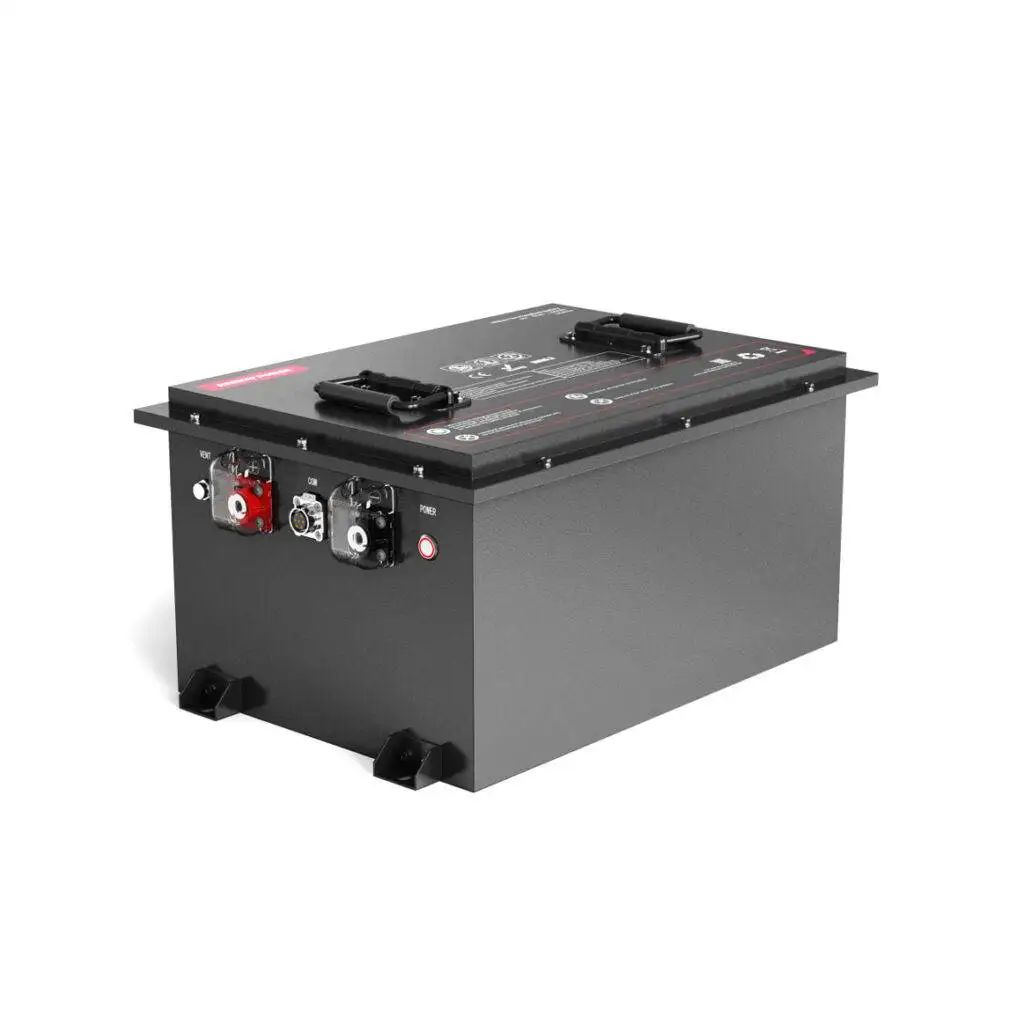
In today’s fast-evolving golf cart industry, maintenance-free lithium batteries are revolutionizing performance, reliability, and energy efficiency. Brands like Redway Battery are leading this shift by offering advanced LiFePO4 power systems that outperform traditional lead-acid batteries in every measurable way.
How Is the Golf Cart Energy Market Evolving and Why Is Change Urgent?
The global golf cart market is projected to reach over USD 3.8 billion by 2030, driven by tourism, resort, and residential communities (source: Grand View Research). However, more than 70% of operational carts still rely on lead-acid batteries. Industry surveys indicate that lead-acid units lose up to 40% of efficiency after 18 months, causing downtime, frequent maintenance, and higher lifetime costs. Environmental regulations are also tightening—especially in the US and EU—putting additional pressure on fleet operators to transition toward cleaner energy systems. This combination of performance degradation, service downtime, and environmental compliance challenges creates an urgent need for lithium-powered alternatives.
What Are the Current Problems with Traditional Lead-Acid Golf Cart Batteries?
Lead-acid batteries dominate legacy fleets due to lower upfront costs, but they bring hidden expenses through frequent maintenance, poor charge retention, and environmental waste. First, the limited cycle life—often under 500 full discharges—forces replacements roughly every two years. Second, manual water refilling and terminal cleaning raise operating complexity. Third, heavy weight and inefficient charging reduce performance, especially on hilly terrains or extended routes. For fleets in resorts or golf communities, this leads to unreliable operations and customer dissatisfaction. Furthermore, the lead content poses disposal challenges under environmental safety laws, adding compliance costs and administrative burdens.
Why Are Traditional Solutions Falling Short?
Lead-acid technology was never designed for modern, data-driven performance needs. Even with improved charge management systems, energy efficiency remains capped around 75%, while lithium solutions exceed 95%. Additionally, slow charging (often 8 hours or more) forces downtime, requiring backup units. Seasonal performance also fluctuates—lead-acid batteries lose capacity in cold or hot weather. These limitations directly translate to reduced fleet utilization rates and higher total cost of ownership (TCO). For golf clubs operating 50–100 carts, transition delays can cost tens of thousands annually in inefficiencies.
What Makes Maintenance-Free Lithium Batteries the Ideal Replacement?
Maintenance-free lithium batteries, especially LiFePO4 packs from Redway Battery, fully address the pain points of legacy systems. These batteries deliver 3,000+ life cycles, charge three times faster, and maintain consistent voltage output throughout use. Redway Battery designs OEM lithium modules specifically for golf carts, featuring smart BMS (Battery Management Systems) to prevent overcharge, short circuits, and temperature damage. With ISO 9001:2015 certified production and fully automated quality inspection lines, Redway Battery ensures reliability that reduces operational interruptions and extends fleet lifespan substantially.
How Do Lithium and Lead-Acid Batteries Compare in Real-World Results?
| Feature | Lead-Acid Battery | Redway LiFePO4 Battery |
|---|---|---|
| Cycle life | 400–600 cycles | 3,000–5,000 cycles |
| Charging time | 8–10 hours | 2–3 hours |
| Weight | Heavy (65–80 kg) | Light (30–40 kg) |
| Maintenance | Regular water & cleaning | Maintenance-free |
| Efficiency | ~75% | >95% |
| Safety & protection | Minimal | Smart BMS integrated |
| Warranty support | 1 year typical | Up to 5 years (Redway Battery) |
This topic belongs to the wider AGM and Lead-Acid Golf Cart Batteries: Maintenance, Acid and Comparisons, which brings the related decisions and practical checks together.
How Can Fleet Operators Transition to Lithium Power Effectively?
Assessment & Compatibility Check – Evaluate current golf cart models to confirm size, voltage, and configuration. Redway Battery provides OEM/ODM customization to ensure perfect fitment.
Battery System Selection – Choose LiFePO4 packs matching desired range and weight balance.
Installation & Testing – Replace lead-acid units with plug-and-play lithium packs using existing wiring harnesses.
Smart BMS Integration – Activate embedded IoT monitoring for charge cycles and health diagnostics.
Training & Handover – Redway’s technical team supports training on safety and charging optimization.
What Are the Typical User Scenarios That Illustrate the Benefits?
Scenario 1: Resort Golf Fleet
Problem: High cart downtime during peak season.
Traditional Method: Routine maintenance and nightly charging.
Post-Lithium Effect: Charging time cut by 70%; fleet availability increased from 80% to 98%.
Key Benefit: Improved tourist satisfaction and reduced operating cost.
Scenario 2: University Campus Mobility
Problem: Battery deterioration within 1 year.
Traditional Method: Frequent replacements of lead-acid units.
Post-Lithium Effect: Maintenance-free operation for 4 years.
Key Benefit: Long-term cost reduction and consistent range performance.
Scenario 3: Industrial Transportation Fleet
Problem: Limited operating range and heavy vehicle weight.
Traditional Method: Lead-acid packs caused energy losses on slopes.
Post-Lithium Effect: Lightweight Redway LiFePO4 packs enhanced efficiency by 35%.
Key Benefit: Greater productivity and extended daily mileage.
Scenario 4: Private Golf Enthusiasts
Problem: Unreliable performance during long rounds.
Traditional Method: Full overnight charge yielding short run times.
Post-Lithium Effect: Stable voltage with faster partial charging between games.
Key Benefit: Reliable playtime and zero maintenance hassle.
Why Is the Shift to Lithium an Inevitable Trend?
By 2027, experts predict lithium batteries will power over 80% of new golf carts worldwide as sustainability laws tighten and consumers demand maintenance-free convenience. Redway Battery continues to set standards by integrating MES-controlled production, real-time BMS data analytics, and smart chargers optimized for golf applications. Delaying adoption not only risks operational losses but also limits future compatibility with intelligent fleet systems and IoT ecosystems. Transitioning today means unlocking reliable, eco-friendly, and cost-efficient mobility.
FAQ
1. Can existing golf carts be directly upgraded to lithium batteries?
Yes, most Redway LiFePO4 packs are designed to fit standard lead-acid compartments with minimal adaptation.
2. How long do Redway lithium batteries last?
Depending on usage, they typically exceed 3,000 cycles—equivalent to 8–10 years of performance.
3. Are lithium batteries safe for outdoor and high-temperature conditions?
Yes, Redway’s batteries include smart thermal management and safety-approved BMS protection for extreme conditions.
4. Does switching to lithium reduce total cost of ownership?
Significantly—maintenance-free operation and longer lifespan lower replacement and labor costs by up to 50%.
5. Who provides warranty and after-sales support for lithium conversions?
Redway Battery offers global service coverage with up to 5-year warranties and 24/7 support teams.
Sources
Grand View Research – Global Golf Cart Market Report, 2025–2030
International Energy Agency – Electric Mobility Outlook, 2025
MarketsandMarkets – Lithium-Ion Battery Forecast Report
Allied Market Research – Maintenance-Free Battery Technologies Report
Redway Battery Official Site – Product & Technology Data
