




REDWAY BATTERY / KNOWLEDGE
How Can a 48V 51.2V LiFePO4 Golf Cart Battery System Solve Your Power Needs?
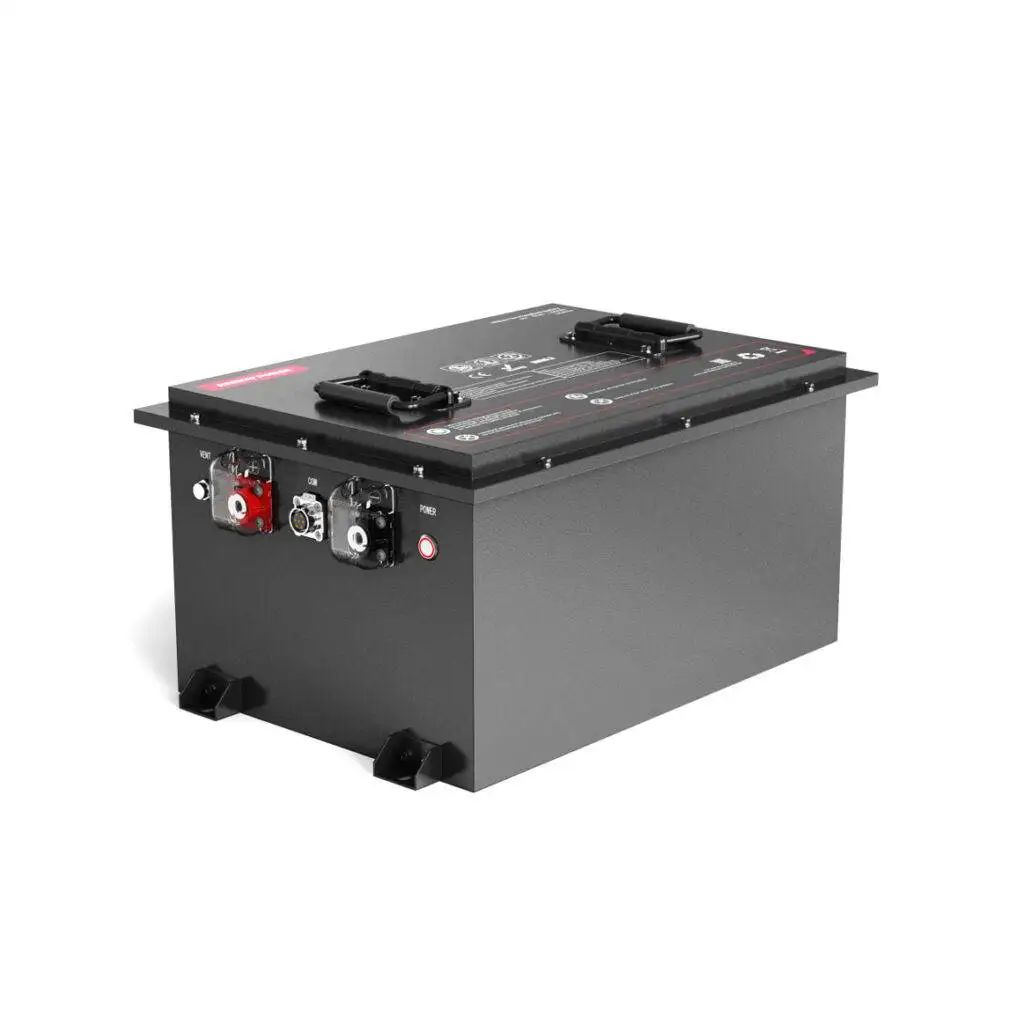
The golf cart battery market faces rising demand for reliable, long-lasting power sources amid growing course usage and fleet expansions. A 48V 51.2V LiFePO4 system delivers up to 5,120Wh capacity, 4,000+ cycles, and superior efficiency over lead-acid options. This upgrade cuts downtime by 70% and operational costs by 50% long-term, ensuring consistent performance for daily operations.
What Is the Current State of the Golf Cart Battery Industry?
Golf cart usage has surged, with U.S. sales reaching 250,000 units annually by 2025. Lead-acid batteries still dominate 75% of the market due to low upfront costs.
However, frequent failures plague operators, as these batteries last only 300-500 cycles before capacity drops below 80%.
Why Do Operators Face These Pain Points Today?
Maintenance demands escalate with lead-acid systems, requiring weekly watering and equalization charges that add 2-3 hours per cart monthly. A 2024 industry report notes 40% of downtime stems from battery issues, costing fleets $1,200 per cart yearly in replacements.
Safety risks compound problems, with acid spills and hydrogen gas emissions reported in 15% of installations.
User surveys highlight range anxiety, as real-world runtime averages 20 miles versus promised 30 due to voltage sag under load.
What Limits Traditional Lead-Acid Solutions?
Lead-acid batteries weigh 300-400 lbs per 48V set, reducing cart efficiency by 15% on inclines and limiting top speeds to 15 mph.
Their 50% depth-of-discharge (DOD) rule halves usable capacity, forcing mid-shift recharges that disrupt workflows.
Lifespan caps at 2-3 years, with total ownership costs 2.5x higher than lithium alternatives over five years.
What Does the Redway Battery 48V 51.2V LiFePO4 Solution Offer?
Redway Battery, a Shenzhen-based OEM with 13+ years in LiFePO4 production, delivers a 51.2V 100Ah system using automotive-grade cells and 200A smart BMS.
Core functions include Bluetooth monitoring for real-time SOC, voltage, and temperature via app; low-temp cutoff at -4°F; and parallel expansion up to 400Ah.
ISO 9001-certified factories ensure 4,000+ cycles at 100% DOD, 5,120Wh output, and 10-year durability with automated MES production.
How Do Redway LiFePO4 and Traditional Batteries Compare?
| Feature | Traditional Lead-Acid (48V 100Ah equiv.) | Redway 48V 51.2V LiFePO4 (100Ah) |
|---|---|---|
| Weight | 350 lbs | 105 lbs |
| Cycle Life | 300-500 | 4,000+ |
| Usable Capacity (DOD) | 50% | 100% |
| Charge Time | 8-10 hours | 2-3 hours |
| Peak Power Output | 5kW | 10kW |
| Maintenance | Weekly watering, venting | None |
| 5-Year Cost per kWh | $0.45 | $0.18 |
Redway Battery systems cut weight by 70%, boost range 2x, and eliminate upkeep.
How Do You Implement the Redway Battery System?
Assess needs: Calculate daily mileage (e.g., 40 miles requires 100Ah min) and cart voltage compatibility.
Order customized pack: Select Redway’s OEM options for exact Ah, BMS triggers, and connectors via their engineering team.
Install: Disconnect old batteries, mount LiFePO4 pack (fits standard trays), wire to controller; 30-45 min job.
Pair charger: Use 58.4V LiFePO4-specific unit; initial balance charge at 0.5C.
Monitor and maintain: App tracks data; firmware updates via Redway’s 24/7 support.
Who Benefits Most from This Upgrade? Real Scenarios
Scenario 1: Golf Course Fleet Operator
Problem: 20 carts lose 25% runtime daily on hills, causing delays.
Traditional: Daily top-offs, $15k yearly replacements.
After Redway: 50-mile range per charge, zero downtime.
Key Benefit: $10k annual savings, 2x hill speed.
Scenario 2: Resort Utility Cart Manager
Problem: Heavy loads drain batteries mid-shift, stranding guests.
Traditional: 200 lb swaps weekly.
After Redway: 10kW peaks handle loads; app alerts prevent issues.
Key Benefit: 80% weight reduction, 24/7 uptime.
Scenario 3: Private Estate Owner
Problem: Weekend use with deep discharges shortens life to 18 months.
Traditional: Frequent failures, $2k/year.
After Redway: 100% DOD, 10-year life.
Key Benefit: One-time $1.8k investment vs. ongoing costs.
Scenario 4: Community Maintenance Crew
Problem: Variable terrain cuts range to 15 miles.
Traditional: Multiple recharges daily.
After Redway: Bluetooth expansion to 200Ah doubles distance.
Key Benefit: 3x productivity, no maintenance labor.
Why Upgrade to Redway LiFePO4 Systems Now?
LiFePO4 adoption in golf carts will hit 40% by 2027, driven by fleet electrification mandates and 30% cost drops.
Redway Battery’s full OEM/ODM support positions users ahead, with proven scalability for solar integration.
Act now to lock in 50% lifecycle savings before lead times grow.
Frequently Asked Questions
What voltage compatibility exists for 48V golf carts?
51.2V LiFePO4 drops to 48V nominal under load, fitting most 48V systems seamlessly.
How many cycles does Redway’s battery guarantee?
Over 4,000 at 100% DOD, equating to 10+ years of daily use.
Can I expand capacity with Redway packs?
Yes, parallel up to 4 units for 400Ah, via plug-and-play bus bars.
What charger specs are required?
58.4V max, 50A output; Redway recommends CC/CV profiles.
Does Redway offer customization?
Full OEM/ODM, including BMS tweaks and branding, with 24/7 support.
Sources
https://www.evlithium.com/Blog/48v-vs-51-2v-golf-cart-batteries.html
https://grenerpower.com/products/grenerpower-48v51-2v-100ah-lithium-golf-cart-battery
https://ipowerqueen.com/blogs/guide/differences-between-48v-and-51-2v-golf-cart-batteries
https://www.delongtop.com/whats-the-difference-between-48v-and-51-2v-golf-cart-batteries/
https://cloudenergybatteries.com/products/48v-lifepo4-lithium-golf-cart-battery-60ah
For connected guidance and the next practical steps, use the LiFePO4 Golf Cart Battery: The Chemistry Behind the Conversion.
