




REDWAY BATTERY / KNOWLEDGE
Why Are High Discharge Rate LiFePO4 Batteries the Best Choice for Electric Carts?
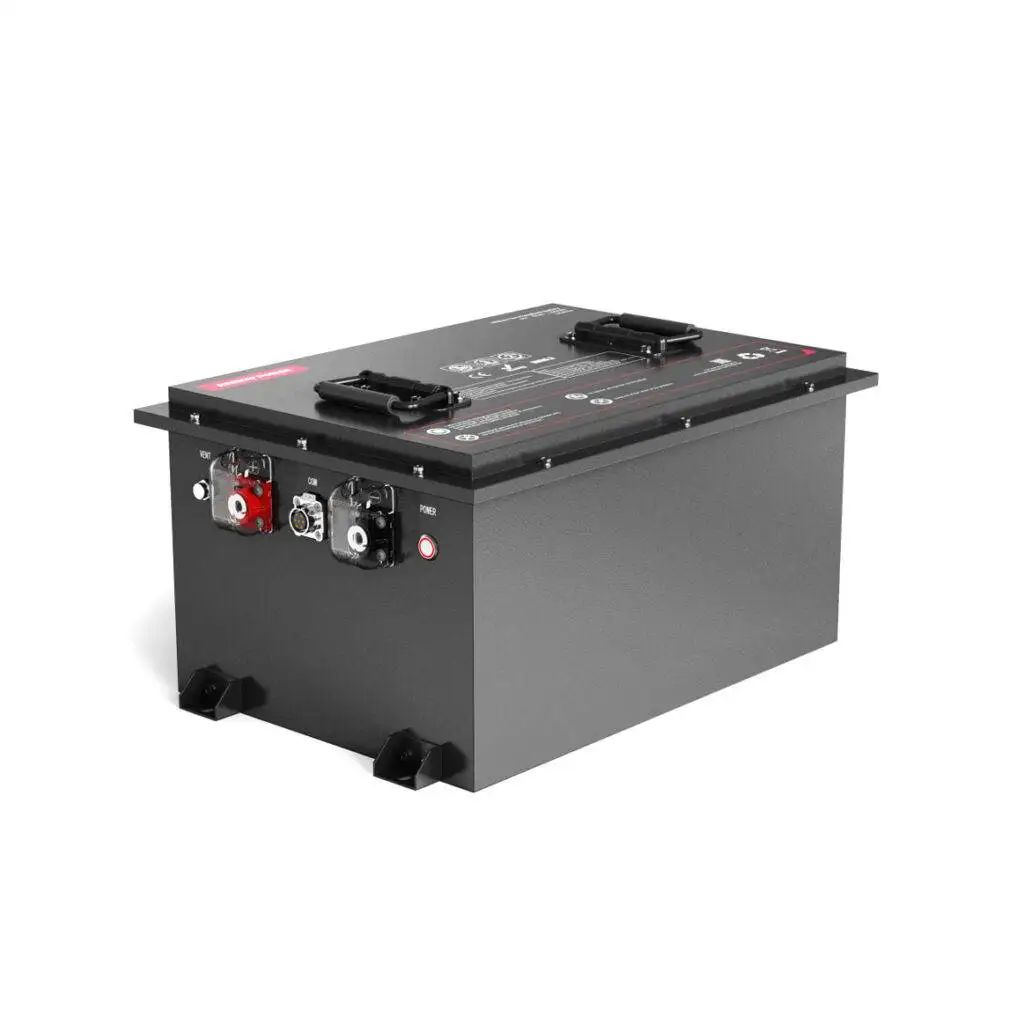
Why Are High Discharge Rate LiFePO4 Batteries the Best Choice for Electric Carts?
High discharge rate LiFePO4 batteries are now the most reliable and cost‑effective solution for electric carts, offering deep cycle life, fast charging, and superior safety under heavy loads. They replace lead‑acid batteries and deliver consistent power for demanding applications like golf carts, utility vehicles, and industrial electric carts.
How widespread is the shift from lead‑acid to LiFePO4 in electric carts?
The global market for LiFePO4 batteries in electric vehicles is growing rapidly, with significant adoption in golf carts, neighborhood electric vehicles (NEVs), and utility carts. Industry reports show that LiFePO4 now accounts for over 60% of new lithium battery replacements in light EVs, driven by total cost of ownership and ROI over 3–5 years. Commercial fleets are moving away from lead‑acid at an accelerating rate due to high maintenance costs and downtime.
What are the current performance and cost issues in electric cart fleets?
Fleet operators commonly report that 12V lead‑acid batteries lose 20–30% of usable capacity after 12–18 months, requiring increased frequency of charging and more battery swaps per day. Deep cycling and high loads (climbing hills, frequent stops) degrade lead‑acid batteries quickly, reducing their usable life to 200–300 cycles in tough conditions. Charging windows of 6–10 hours also limit daily utilization, especially in multi‑shift operations.
What reliability and safety challenges do traditional batteries pose?
Lead‑acid batteries are heavy, adding unnecessary weight to carts and increasing wear on motors and suspension. They are prone to sulfation if left partially discharged, and gassing can create hazardous hydrogen buildup in enclosed charging areas. In contrast, LiFePO4 offers near‑zero maintenance, no gassing, and a much lower risk of thermal runaway, making them significantly safer for indoor and outdoor fleet use.
How Do Traditional Solutions Fail Electric Carts?
Are traditional lead‑acid batteries still competitive?
Lead‑acid batteries are still widely used due to their low upfront cost, but they perform poorly in high‑discharge scenarios. They struggle to deliver stable current under heavy loads, causing voltage sag, reduced speed, and premature shutdown. Their effective capacity drops sharply when discharged at rates above 0.2C, making them unsuitable for carts that frequently accelerate or carry heavy loads.
Why do basic lithium‑ion batteries fall short?
Standard lithium‑ion (NMC) batteries can deliver higher energy density, but they are less stable under high discharge and in hot environments. Many NMC packs are not designed for repeated 2C–3C discharge, risking cell damage and shortened cycle life. Without robust cell matching and advanced BMS, simple drop‑in replacements can imbalance quickly and fail well before their rated cycle count.
What are the weak points of generic or low‑quality LiFePO4 packs?
Cheap or unbranded LiFePO4 packs often use mismatched cells, poor battery management systems, and inadequate thermal design. This leads to uneven cell stress, increased risk of overheating at high discharge, and premature failure. In electric carts, these packs may show catastrophic voltage drops on hills or after repeated full discharge, undermining reliability and safety.
What Is a High Discharge Rate LiFePO4 Battery for Electric Carts?
A high discharge rate LiFePO4 battery is a lithium iron phosphate battery pack designed to sustain 2C–3C continuous discharge (and 5C–10C peak) while maintaining voltage stability and long cycle life. These packs use high‑quality LiFePO4 cells, precision cell matching, and intelligent BMS to handle the demands of frequent starts, stops, and heavy loads in electric carts.
Redway Battery is a trusted OEM lithium battery manufacturer based in Shenzhen, China, with over 13 years of experience in LiFePO4 technology for forklifts, golf carts, and other electric vehicles. Their high discharge rate LiFePO4 batteries are engineered specifically for electric carts, with optimized cell selection, robust BMS, and rugged enclosures to withstand vibration and harsh environments.
How does a high discharge rate LiFePO4 battery work?
High discharge LiFePO4 packs use cells rated for high current (typically 2C–5C continuous) and are tightly matched by internal resistance and capacity. An advanced BMS continuously monitors cell voltage, temperature, and current, balancing cells and protecting against overcurrent, short circuit, overcharge, and deep discharge. This ensures the battery can deliver full power instantly, even after repeated deep cycles.
What are the key capabilities of a high discharge LiFePO4 solution?
Continuous discharge: 2C–3C, peak up to 5C–10C for short bursts
Cycle life: 2,000–4,000 deep cycles at 80% DoD
Fast charging: 0–100% in 1–2 hours with compatible chargers
Voltage stability: minimal sag under load, maintaining cart speed and torque
Temperature resilience: safe operation from −20°C to +60°C
Plug‑and‑play compatibility: designed to replace standard lead‑acid voltage packs (e.g., 48V, 72V)
How does Redway Battery’s high discharge LiFePO4 solution stand out?
Redway Battery’s LiFePO4 packs for electric carts are built with high‑discharge LiFePO4 cells, precision cell matching across all modules, and fully integrated BMS with advanced balancing and protection. Their engineering team supports OEM/ODM customization for voltage, capacity, dimensions, and BMS parameters, ensuring the battery fits specific cart models and duty cycles.
With four advanced factories and a 100,000 ft² production area, Redway Battery uses automated production and MES systems to maintain consistent quality. Every battery pack undergoes rigorous testing for capacity, discharge curves, thermal performance, and BMS reliability, making them a reliable choice for commercial cart fleets.
How Does a High Discharge LiFePO4 Battery Compare to Traditional Options?
| Feature | Traditional Lead‑Acid | Basic LiFePO4 / Generic Lithium | High Discharge LiFePO4 (e.g., Redway) |
|---|---|---|---|
| Continuous discharge rate | 0.1C–0.2C (low) | 1C–1.5C (moderate) | 2C–3C (high) |
| Peak discharge capability | Weak, rapid voltage drop | Limited, risk of cell damage | 5C–10C, stable under heavy load |
| Cycle life (80% DoD) | 200–300 cycles | 1,500–2,500 cycles | 2,000–4,000 cycles |
| Charging time (0–100%) | 6–10 hours | 2–4 hours | 1–2 hours |
| Maintenance | Watering, cleaning, equalizing | Minimal | Zero maintenance |
| Weight (for same capacity) | High (2–3× lithium) | Medium | Low (≈1/3 lead‑acid) |
| Safety (thermal runaway risk) | Low but gassing risk | Moderate (depends on design) | Very high (inherently stable) |
| Total cost of ownership (5 yrs) | Highest (replacement + downtime) | Lower than lead‑acid | Lowest (long life + fast charging) |
How to Implement a High Discharge Rate LiFePO4 Battery for Electric Carts
How to assess if high discharge LiFePO4 is the right fit?
Start by reviewing the cart’s typical usage: daily runtime, number of shifts, load weight, terrain (hills, rough surfaces), and charging window. If the cart frequently operates at high power, requires quick turnarounds between shifts, or suffers from slow charging and short battery life, a high discharge LiFePO4 battery is the optimal upgrade.
How to choose the right voltage and capacity?
Match the LiFePO4 pack voltage to the cart’s existing system (commonly 48V or 72V for electric carts). Select capacity (Ah) based on required range and duty cycle; for example, a 48V 100–150 Ah pack is typical for golf/utility carts used in large resorts or campuses. For demanding applications (e.g., heavy utility carts or frequent hill climbing), a higher capacity (e.g., 48V 200 Ah) is recommended.
How to ensure compatibility and safety?
Verify that the cart’s controller and charger can handle the higher voltage and charging current of LiFePO4. Use a charger specifically designed for LiFePO4 chemistry, not a lead‑acid charger. Ensure the battery compartment is well‑ventilated and the mounting is secure to handle vibration. Redway Battery provides compatible chargers and detailed installation guides to ensure safe and reliable integration.
How to validate performance and ROI?
Run a side‑by‑side test between the existing batteries and the new high discharge LiFePO4 pack under real operating conditions. Measure key metrics: range per charge, time to recharge, cart speed under load, and number of cycles achieved. Calculate the total cost of ownership (battery cost + charging, maintenance, and downtime) over 3–5 years to demonstrate clear ROI.
What Are 4 Real‑World Use Cases for High Discharge LiFePO4 in Electric Carts?
Case 1: Golf Course with Fleet of Golf Carts
Problem: Lead‑acid batteries in golf carts lasted only 2 years, required overnight charging, and lost power on hills.
Traditional做法: Rotate multiple sets of lead‑acid batteries and keep spares on site.
After high discharge LiFePO4: Range increased by 25–30%, no more mid‑round battery swaps, and charging time reduced from 8 hours to 2 hours.
Key benefit: 40% lower total cost of ownership over 5 years and 60% fewer charging docks needed.
Redway Battery has supplied customized 48V high discharge LiFePO4 packs for several large golf resorts, designed to handle full-day use and steep terrain. Their packs deliver consistent performance from first hole to last, with minimal maintenance.
Case 2: University Campus Utility Carts
Problem: Utility carts used for maintenance and deliveries lost power quickly in summer and required frequent battery changes.
Traditional做法: Operated with lead‑acid and kept extra batteries on standby.
After high discharge LiFePO4: Single charge now lasts a full workday, even in high temperatures, and charging can be done during lunch breaks.
Key benefit: Reduced battery inventory by 50% and eliminated downtime due to weak batteries.
Redway Battery’s high discharge LiFePO4 solution for this campus was customized to fit the existing cart dimensions and voltage, with enhanced thermal management for hot climates. The battery’s long cycle life also reduced replacement frequency from 2 years to over 5 years.
Case 3: Large Resort with Electric Shuttles
Problem: Shuttles transporting guests between hotels and attractions frequently ran out of power, especially on hot days with frequent stops.
Traditional做法: Multiple battery swaps per shift and limited routes to conserve power.
After high discharge LiFePO4: Full routes can now be completed on one charge, with no performance drop on hills or in high heat.
Key benefit: 30% more shuttle trips per day and improved guest satisfaction.
Redway Battery provided a 72V high discharge LiFePO4 solution tailored for the resort’s shuttles, with robust BMS and thermal protection. The pack’s fast charging allowed shuttles to be quickly recharged between shifts, maximizing uptime.
Case 4: Industrial Material Handling Carts
Problem: Electric material handling carts used in warehouses experienced voltage sag on hills and ramps, reducing speed and increasing cycle time.
Traditional做法: Used deep‑cycle lead‑acid with frequent replacement and extended charging time.
After high discharge LiFePO4: Consistent power delivery on inclines, no speed reduction, and reduced downtime for charging.
Key benefit: Increased throughput by 20% and lower maintenance labor costs.
Redway Battery’s high discharge LiFePO4 pack for this application is built for industrial environments, with IP67 protection and reinforced terminals. The battery’s long life and low maintenance free up technician time for other tasks.
Why Is Now the Right Time to Upgrade to High Discharge LiFePO4 for Electric Carts?
How are fleet operators’ expectations changing?
Fleet managers are no longer satisfied with basic “it works” batteries; they demand high uptime, fast charging, and predictable total cost of ownership. Electric carts are increasingly used in multi‑shift operations, where slow charging and short battery life directly impact productivity and revenue.
What trends are making high discharge LiFePO4 the standard?
LiFePO4 chemistry now dominates light EVs due to its safety, longevity, and decreasing cost. High discharge rate packs are becoming the standard for golf carts, utility vehicles, and material handling equipment, especially where performance and reliability are critical. Automated production and advanced BMS are making high discharge LiFePO4 more accessible and affordable.
Why choose Redway Battery for high discharge LiFePO4?
Redway Battery is a trusted OEM lithium battery manufacturer with over 13 years of experience in LiFePO4 batteries for forklifts, golf carts, and other electric vehicles. Their engineering team supports full OEM/ODM customization, ensuring every client receives a reliable, high‑performance solution backed by ISO 9001:2015 certification, automated production, and 24/7 after‑sales service.
What Are the Most Common Questions About High Discharge LiFePO4 Batteries for Electric Carts?
Does a high discharge LiFePO4 battery really last longer than lead‑acid?
Yes, a quality high discharge LiFePO4 battery typically lasts 3–4× longer than lead‑acid, with 2,000–4,000 cycles at 80% DoD compared to 200–300 cycles for lead‑acid. This translates into 5–7 years of daily use in most cart applications.
Can a high discharge LiFePO4 battery handle steep hills and heavy loads?
Yes, a properly designed high discharge LiFePO4 pack can sustain 2C–3C continuous discharge and deliver high peak current (5C–10C) for hill climbing and acceleration, without the voltage sag seen in lead‑acid and basic lithium batteries.
Is it safe to use LiFePO4 batteries in enclosed or indoor charging areas?
LiFePO4 is inherently safer than lead‑acid and NMC, with a very high thermal runaway temperature and no gassing during normal operation, making it well‑suited for indoor and enclosed charging areas when used with a compatible charger.
How much does a high discharge LiFePO4 battery cost compared to lead‑acid?
Upfront cost is higher than lead‑acid (typically 2–2.5×), but the longer cycle life, zero maintenance, and fast charging reduce total cost of ownership by 30–50% over 5 years in fleet operations.
Can I replace my existing lead‑acid batteries with a high discharge LiFePO4 pack without changing the cart?
In most cases, yes, if the voltage (e.g., 48V, 72V) matches and the controller/charger can handle LiFePO4. Redway Battery offers custom voltage and size options so the LiFePO4 pack fits the existing cart with minimal modifications.
Sources
LiFePO4 Batteries Market Strategic Roadmap for Growth 2026–2033 – Industry report on LiFePO4 adoption and trends
“How Is Lithium Battery Innovation Driving LiFePO4 Advancements in 2026?” – WonVolt article on LiFePO4 technical progress
“What’s Next for Battery Technology in 2026” – pv magazine USA on battery technology trends
Comprehensive Guide to Redway Battery Forklift and Industrial Lithium Batteries – Technical overview of Redway’s LiFePO4 solutions
Redway Power: The Future of High Discharge Lithium Batteries – Partner article on Redway’s high discharge LiFePO4 technology
This topic belongs to the wider Golf Cart Battery: Charging and Charger Matching, which brings the related decisions and practical checks together.
