




How to Choose a Forklift Battery
Most battery specifications are wrong in the same way: they start with the brand instead of the duty cycle.
This is the selection page of the forklift battery set: the order in which the decisions should be made, and the questions that settle each one.
Three routes through selection
Work the decision order, check what the operation needs, or compare the options you have shortlisted.
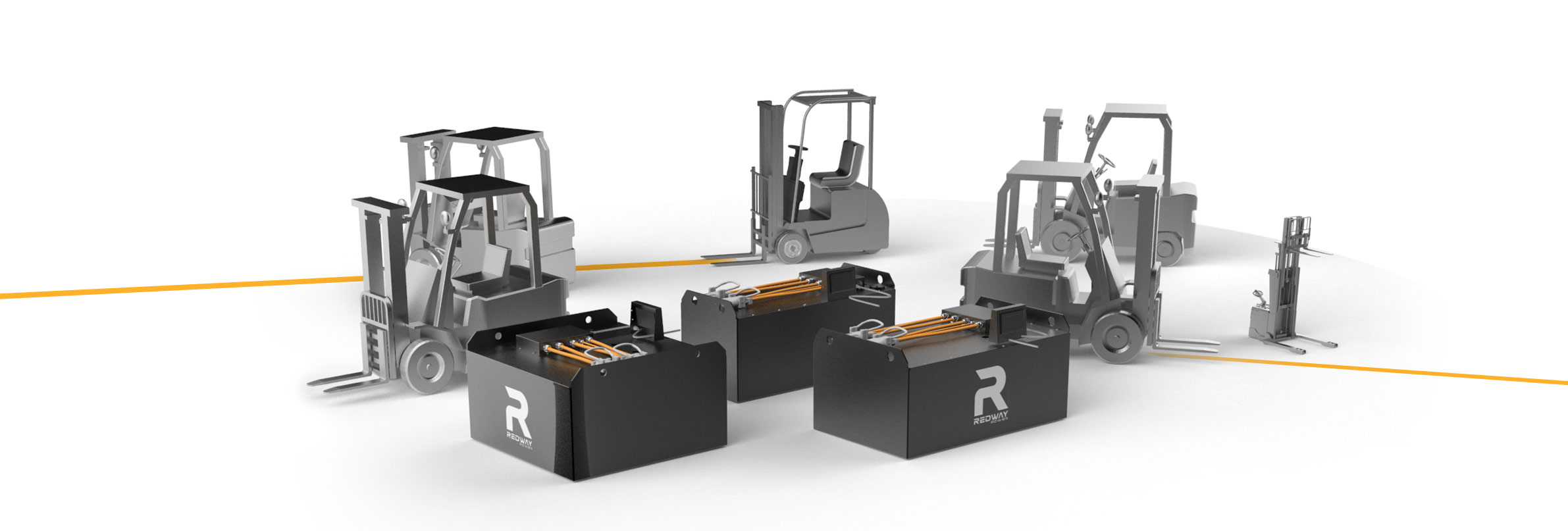
Work the decision order
Duty cycle, then voltage, then capacity, then chemistry. Each one constrains the next.
- What You Need to Know About Upgrading to 48 Volt Lithium-Ion Forklift Batteries
- The Importance of Choosing the Right Forklift Battery for Your Business
- How to Choose the Best Forklift LiFePO4 Battery for Your Needs?
- What Are the Key Considerations for Choosing and Maintaining Forklift Batteries?
Show remaining 17 articles
- How to Choose the Best Lithium Forklift Battery for Material Handling?
- What Are the Key Factors in Choosing Electric Forklift Batteries?
- How To Choose The Right Forklift Battery?
- How To Select The Right 36V Forklift Charger?
- How To Select An 18-85-23 Forklift Battery?
- How to Choose the Best Forklift Battery Maintenance Company?
- How to Choose the Best Warehouse Equipment Battery Distributor?
- How to Choose the Best Heavy-Duty Forklift Battery Solutions for Industrial Needs?
- How To Select The Right Battery For A Class I Electric Forklift?
- How to Choose the Best Lityum Forklift in Malaysia?
- How to Choose the Best LiFePO4 Forklift Battery for Brazil?
- How to Choose the Best 48 Volt LiFePO4 Forklift Battery for Iraq?
- How to Choose the Best LiFePO4 Forklift Battery for Indonesia?
- How to Choose the Right Forklift Service Provider for Your Needs?
- What Are the Key Considerations When Choosing a Forklift Battery Changer
- How to Choose the Best Forklift Battery Replacement Service?
- What Are the Key Considerations for Forklift Leasing?
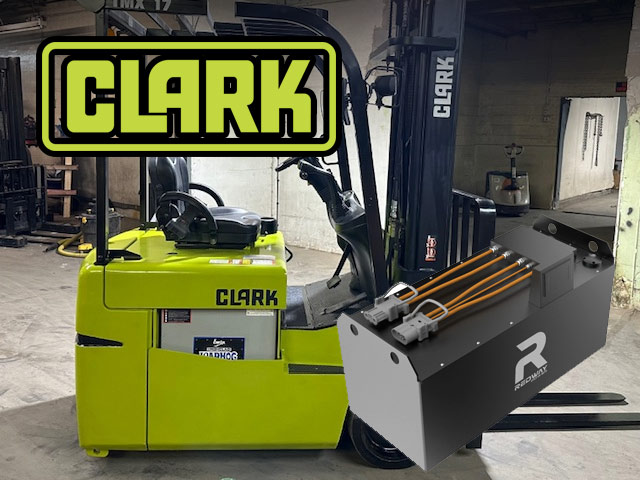
What your operation actually needs
Operation-specific selection, including the classes and the equipment.
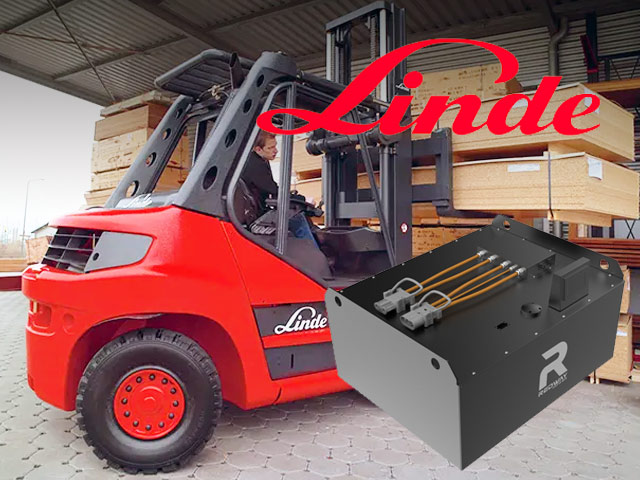
Comparing shortlisted options
Chemistry, capacity and the supplier comparison once the requirements are fixed.
- What Are the Key Benefits of Choosing Lifepo4 Forklift Batteries from Redway Battery?
- Are Lithium Ion Forklift Batteries Right for You?
- Are LiFePO4 Batteries Right for Your Electric Forklift?
- Why Should You Switch to LiFePO4 Forklift Batteries?
Show remaining 6 articles
The decision order
Four questions, asked in this order. Asking them in a different order is how specifications go wrong.
Duty cycle first, because it constrains everything
Shifts per day, hours per shift, load and terrain decide how much energy the truck consumes and whether there is a charging window. Only after that do voltage, capacity and chemistry have answers. A pack chosen before the duty cycle is a guess with a part number.
Then voltage, then capacity, then chemistry
The truck fixes the voltage, so that is a lookup rather than a choice. The duty cycle sets the amp-hours. Chemistry comes last, because whether lithium pays is a consequence of the first three answers, not an input to them.
Where specifications go wrong
Three recurring errors, all of them ordering problems rather than knowledge problems.
Specifying capacity from the old pack's label
Replacing like for like with the pack you already have is the most common error, because the old pack may have been undersized from the start. Work the capacity out from the duty cycle, then compare it to what was in the truck and ask why they differ.
Choosing chemistry before knowing the charge window
Lithium's advantage is that it opportunity-charges. If the operation has a full overnight window and one shift, that advantage is worth much less, and the same money may be better spent on capacity. Fix the charge window before the chemistry.
The four inputs you need before writing a specification
Shifts, hours and load
The energy consumption figure. Everything downstream divides into it.
Available charge window
Overnight, break-time, or none. This single fact decides whether opportunity charging is even available to you.
Compartment envelope and terminal layout
The physical constraint. A pack that does not fit is not a cheaper option.
Peak current the truck draws
Sets the BMS rating on a lithium pack and the minimum on a lead-acid one. Undersizing it produces cut-outs under full load.
Questions people ask before they buy
How do I choose the right forklift battery?
Work in order: duty cycle first, because it sets energy consumption and tells you whether a charge window exists; then the truck's voltage, which is a lookup; then the amp-hours the duty cycle needs; then chemistry. Choosing chemistry before the charge window is known is the most common ordering mistake.
What size battery does my forklift need?
Size from the energy the truck consumes per shift, not from the pack currently fitted. As a rule the pack should cover the shift with about 20% left, and on a multi-shift operation it should either opportunity-charge in the breaks or be one of two packs per truck.
Is lithium always the better choice for a forklift?
No. Its advantage is that it opportunity-charges and removes the battery change and battery room. On a single-shift site with an overnight charging window and someone who waters the flooded pack properly, the same money often buys more capacity instead, and that is a better answer.
What information do I need before asking for a quote?
Shifts per day and hours per shift, the truck's voltage and rated capacity, the current pack's voltage and amp-hours, compartment length, width and height with terminal positions, the available charge window, and the ambient temperature. With those, a supplier can quote against a specification rather than a guess.
Does a bigger battery always mean better?
No. Extra capacity adds weight, which on a counterbalance truck affects stability, and it lengthens the charge cycle unless the charger is upsized too. Oversizing also wastes capital, because the energy is never used. Size to the worst normal day, not to the theoretical maximum.
Send the duty cycle and we will write the specification
Give us the shifts, load, terrain, truck voltage and compartment measurements, plus the charge window and ambient temperature. We will come back with a specification you can put out to tender.
