




Warehouse Forklift Battery
In a warehouse the battery decision is made by throughput, not by the truck. The truck is the easy part.
This is the warehouse page of the forklift battery set: how demand intensity, shift patterns and charging space decide the pack, and where the cost actually lands.
Three routes through warehouse batteries
Pick the chemistry for the throughput, match the truck class, or work out where the cost lands.
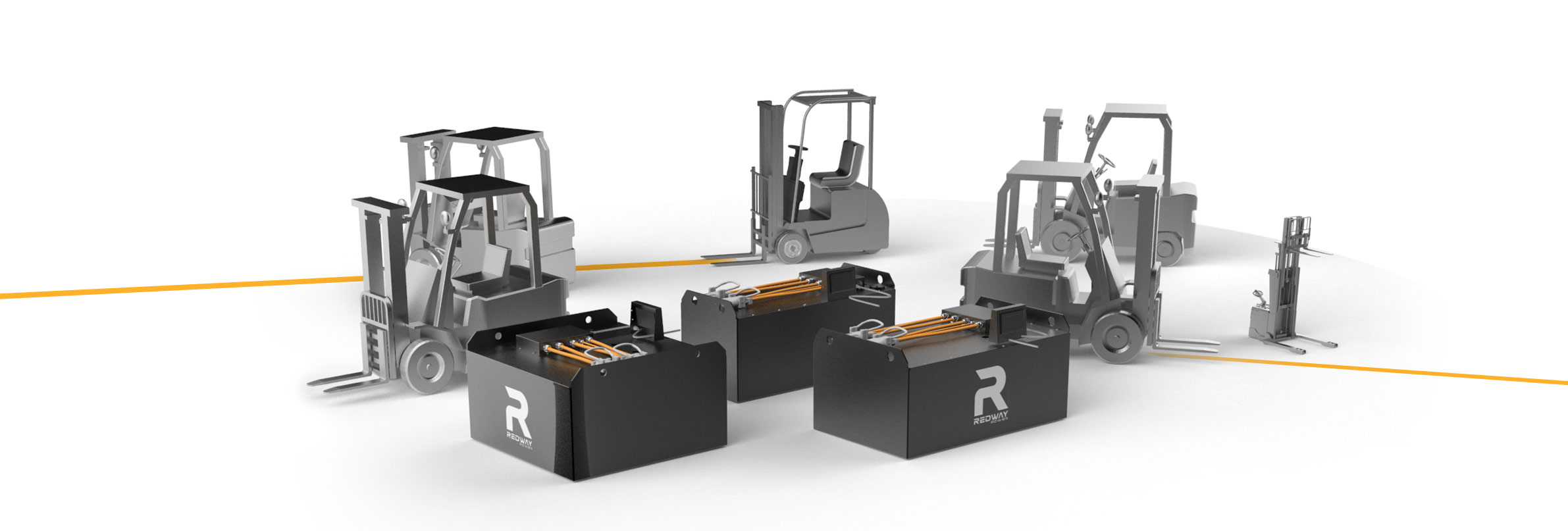
Chemistry for high-demand operation
Why lithium dominates high-throughput warehouses, and where lead-acid still holds.
- What Are the Best Energy Storage Solutions for Material Handling?
- Is LFP the Best Forklift Battery Choice for Bahrain Warehouses?
- What Is the Best 48 Volt Forklift Battery for Warehouses in 2026?
- How Do LiFePO4 Batteries Enhance Forklift Performance in High-Demand Applications?
Show remaining 12 articles
- Why Are LiFePO4 Batteries Ideal for Forklift Applications?
- What Makes Lithium-Ion Forklift Power the Future of Material Handling?
- What Are the Applications of Lithium Batteries in Industrial Forklifts?
- What Are Applications Of Forklift Lithium Battery?
- What Makes Forklift LiFePO4 Batteries Ideal for Canadian Operations?
- How Are Lithium Ion Forklifts Revolutionizing Material Handling in Dammam?
- What Are Lithium Ion Battery Forklift Trucks and Why Are They Important?
- What Affects Lithium Forklift Battery Cost in Al Wakrah?
- What Drives Electric Forklift Lithium Ion Battery Costs in Al Ahmadi?
- What Influences Battery Forklift Lithium Costs in Muscat?
- What is the lithium ion forklift battery cost in the United Arab Emirates?
- How Much Does a Lithium Forklift Battery Cost in Al Wakrah?
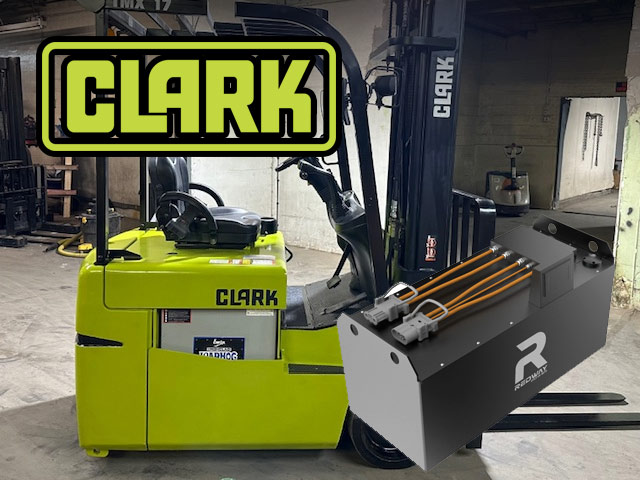
Truck classes and warehouse equipment
Sit-down, stand-up, reach, clamp and sideloader trucks, and what each needs.
- What Makes the 4810 Electric Sit-Down Forklift a Top Choice for Warehouses?
- How Can Forklift Leasing Optimize Your Operations?
- What Are Raymond’s Forklift Solutions for Fleet & Warehouse Efficiency?
- What Is a Clamp Truck and How Does It Revolutionize Material Handling?
Show remaining 6 articles
- What Makes the 4150 Stand-Up Forklift Ideal for Warehouse Operations?
- What Are Sideloader Forklifts and How Do They Optimize Industrial Operations?
- How Can Forklift Brochures and Literature Enhance Operational Efficiency
- What Are the Electric Forklift Classes for Warehouse Operations?
- Why Optimize Forklift Fleet Efficiency With Power Rent?
- What Are Slip Sheets In Material Handling?
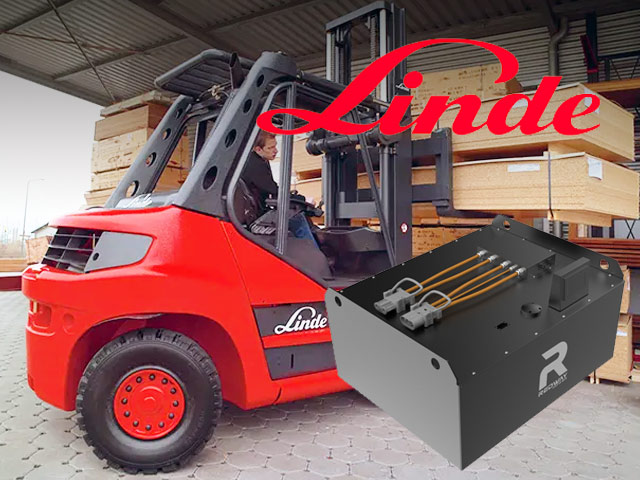
Where the cost lands
Wholesale pricing, regional cost variation and whether lithium pays.
Throughput decides the pack
Two warehouses with the same trucks can need completely different batteries, because the trucks work different amounts.
High demand means opportunity charging or a second battery
A truck working continuously across two or three shifts cannot complete a conventional eight-hour charge between them. Either it opportunity-charges during breaks, which needs a charger matched to the break length, or the site runs a second battery and a change crew. Lithium usually makes the first option workable.
Moderate demand still favours lead-acid on price
A warehouse running one shift with a decent overnight window does not need lithium on operational grounds. A well-maintained flooded pack does the job for years at a fraction of the capital, provided someone actually waters it. The honest dividing line is whether that someone exists.
The cost question, answered in the right units
Per pack is the wrong unit. Per pallet moved is the right one.
Capital spread over shifts worked
A lithium pack costs two to three times a lead-acid pack and lasts several times as many cycles. On a single-shift operation that advantage arrives a decade later. On a three-shift warehouse the pack works three times as hard, so the same capital is spread over far more throughput.
The regional cost variation is real and worth checking
Landed lithium pack prices vary substantially by market because of freight, duty and local distributor margins. The same pack can differ by a third between markets, which is often more than the chemistry trade-off being debated. Get a landed price before comparing specifications.
The four numbers that decide a warehouse pack
Shifts per day and truck utilisation
Continuous use across shifts is what forces opportunity charging or a second battery. Utilisation, not fleet size, drives the decision.
Break length
Opportunity charging only works if the charger can put meaningful energy back in the break available. Short breaks mean a larger pack rather than a faster charger.
Whether watering actually happens
Lead-acid is the cheaper answer only if someone maintains it. On a warehouse where nobody owns that task, the saving disappears in year two.
Floor space value
A battery room and a change aisle occupy rackable space. On a constrained site that footprint is a real cost, and removing it is part of the lithium case.
Questions people ask before they buy
What battery is best for a warehouse forklift?
It depends on utilisation. Continuous use across two or three shifts favours lithium, because the truck can opportunity-charge during breaks instead of needing a battery change. A single-shift operation with a good overnight window does fine on a well-maintained flooded pack at a fraction of the capital.
How much does a warehouse forklift battery cost?
A lead-acid pack for a standard counterbalance truck sits in the low thousands. An equivalent lithium pack costs two to three times that up front and less per shift once the battery change and charging room are removed. Landed prices also vary substantially by market.
Are lithium forklift batteries cost-effective for warehouses?
On high-utilisation operations, usually yes. The saving comes from deleting the second battery per truck, the change crew and the battery room rather than from energy cost. On a lightly used single-shift site, the same pack is harder to justify.
Do warehouses need a battery room?
Only for flooded lead-acid, which needs ventilation, spill containment and watering. A lithium fleet does not need a dedicated room, which usually returns rackable floor space to the operation. Most sites still provide a defined charging position with a non-combustible surface.
How do you charge forklift batteries during a busy shift?
Opportunity charging during breaks and lunch, with a charger sized so the available break length actually puts useful energy back in. If breaks are too short, the answer is a larger pack rather than a faster charger, because the pack has a limit on how much current it will accept.
Tell us the throughput and we will spec the pack
Send the number of trucks, shifts per day, break lengths, truck classes and whether a battery room exists. We will recommend the chemistry, the pack size and the charging arrangement, with the cost per shift.
