




Lithium Forklift Battery
The lithium case on a forklift is not about range. It is about deleting the battery change and the battery room.
This is the lithium page of the forklift battery set. It is written for the person who owns the shift pattern, not the spec sheet: what changes operationally, what it costs, and where it does not fit.
Three routes through lithium on a forklift
Whether it pays, how it changes the working day, or which pack suits which truck.
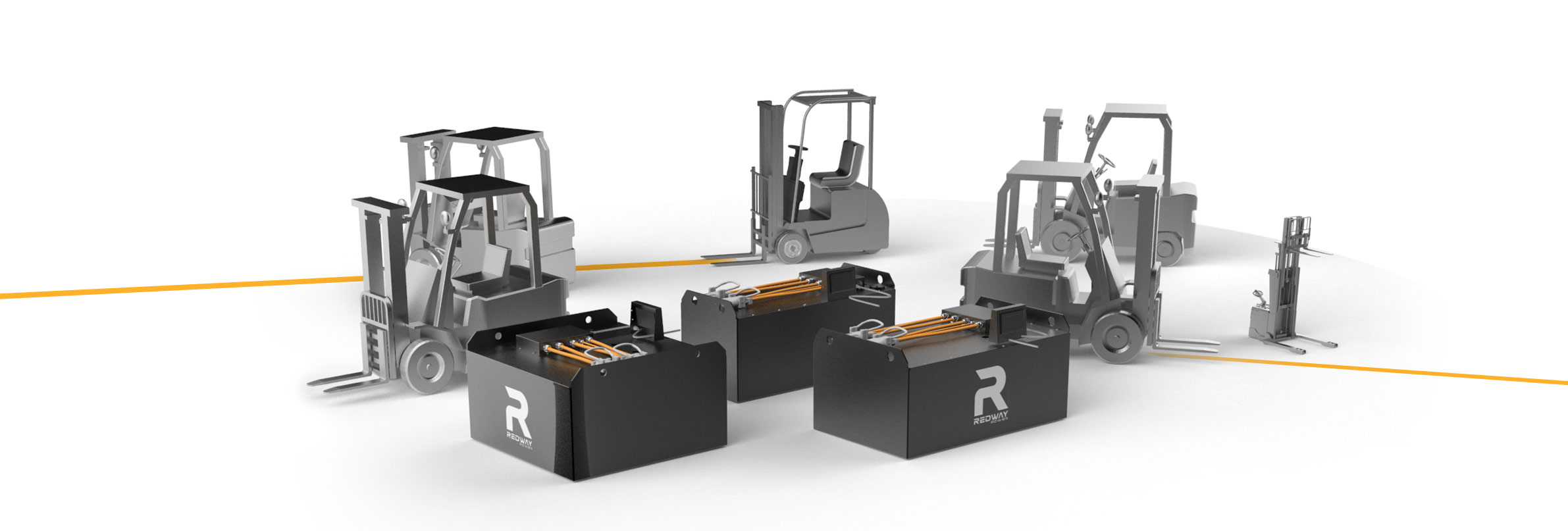
Whether lithium pays on your duty cycle
Start here. The answer depends on shifts per day and whether anyone changes batteries.
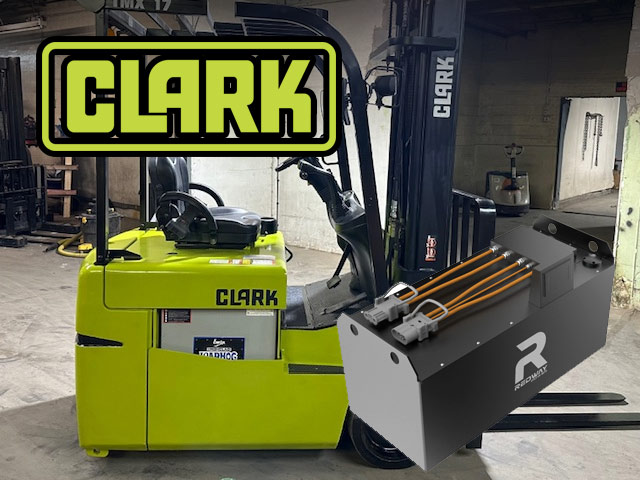
How it changes the working day
Opportunity charging, the battery room, data and monitoring.
- How Can OneCharge Lithium Forklift Batteries Be Repurposed for Solar Storage?
- Why Are Data Capabilities Crucial for Forklift Lithium-Ion Batteries
- How Is Roypow Lithium Battery Training Advancing Forklift Tech?
- How Do I Use Lithium Battery Forklifts?
Show remaining 1 article
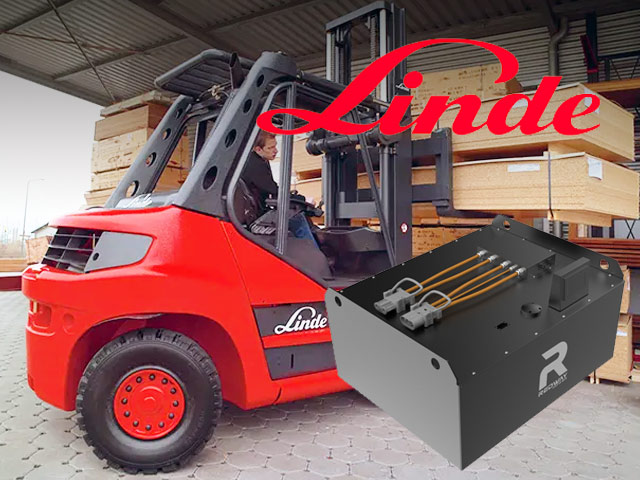
Packs by voltage and truck
24V through 80V, and which truck classes each suits.
- What Makes the 80V XC Series 3-Wheel Lithium-ion Electric Forklift Unique?
- What Is 24V 12-85 13 Lithium XPB 1 Battery?
- How To Use 36V 18-125-15 Lithium XPB 1 Forklift Battery?
- How Does The 36V 400Ah Forklift Lithium Battery Perform?
Show remaining 21 articles
- How Does The 36V 690Ah Forklift Lithium Battery Work?
- What Is The 36V Lithium Battery For Forklift Used For?
- How Does The 72V 760Ah Forklift Lithium Battery Perform?
- What Is The 24V 300Ah Forklift Lithium Battery Used For?
- What Is Lithium Forklift Battery?
- What Are Lithium Ion Batteries Used For In Forklifts?
- What Made OneCharge Forklift Lithium Batteries Stand Out in 2025?
- What Makes an Electric Forklift Lithium Ion Battery Ideal for Iran?
- What Makes Lithium Powered Forklift Iraq an Ideal Choice?
- What Makes EP Lithium Ion Forklift Batteries a Top Choice in the UK?
- What Makes Lithium Forklift Medina the Smart Industrial Choice?
- Is lithium forklift power the smart choice in Ecuador?
- What Makes Lithium Powered Forklifts Ideal for Iraq's Industrial Sector?
- What Makes EP Lithium Ion Forklift in Farwaniya a Top Choice?
- Are Lithium Ion Batteries Ideal for Forklifts in Chile?
- What Makes Lithium Forklift Batteries a Smart Choice in Peru?
- What Makes Forklift LiFePO4 Battery Peru a Smart Choice?
- What Are the Best LiFePO4 Battery Forklift Options for Chile?
- Is lithium-ion the best forklift battery choice for Chile?
- Is a lithium forklift battery from China the smart choice for Peru?
- What Are the Benefits of Forklift LiFePO4 Batteries in Peru?
What lithium actually removes
The saving is not in kilowatt-hours. It is in the two operational rituals lead-acid forces on you.
No battery change, so no second battery per truck
A lead-acid fleet running three shifts needs roughly two batteries per truck plus a change crew. A lithium pack opportunity-charges during breaks and stays on the truck. That deletes the capital for the second set and the labour for the change, which is usually the largest line in the business case.
No battery room, no watering, no equalising
The charging room is a ventilated, spill-contained, often sprinklered space that exists only because lead-acid gasses and needs watering. Lithium removes the requirement, and the floor area usually goes back to racking. On a constrained site that is worth as much as the labour saving.
Where lithium does not fit
Three situations where the pack is the wrong answer, and they are worth naming before the quote.
A single-shift site that already has healthy lead-acid
If one truck runs one shift and someone already waters the pack properly, lithium is replacing an asset that has years left and removing labour that is not really being spent. The payback stretches beyond the pack's useful life.
Freezers and heavy-duty high-voltage trucks
Cold storage needs a heated pack or acceptance of reduced capacity, and 80V-plus trucks with very high continuous draw need a BMS rated well above the standard pack. Both are solvable, but they change the specification and the price, and they are the two cases where a cheap pack fails first.
The four numbers that decide a lithium forklift conversion
Shifts per day and hours per shift
This is what tells you whether the pack can opportunity-charge or needs a full charge window. It drives the whole business case.
Peak current the truck's controller draws
Sets the BMS rating. A pack sized on amp-hours but undersized on current cuts out under a full pallet at full lift, which reads as a fault.
Available charging window
Break-and-lunch charging works if the charger and pack accept the current. If breaks are short, the pack has to be sized larger rather than charged harder.
Ambient temperature where the truck works
Below freezing, lithium charges slower and needs heating. Cold stores and outdoor yards change the specification, not the concept.
Questions people ask before they buy
Are lithium forklift batteries worth the investment?
On a two or three shift operation, usually yes. The saving comes from deleting the second battery per truck, the change crew and the battery room, rather than from energy cost. On a single-shift site with a healthy lead-acid pack, the payback usually stretches past the pack's useful life.
How long does a lithium forklift battery last?
Between 3,000 and 6,000 full cycles depending on depth of discharge and cell grade, which on a forklift running one charge cycle a day is well over a decade. Opportunity charging in partial cycles is easier on these packs than on lead-acid, not harder.
Can a lithium forklift battery be opportunity charged?
Yes, and that is its main operational advantage. The pack accepts partial charges during breaks without the sulfation penalty lead-acid suffers, so the truck stays in service instead of going to the battery room. Size the charger for the break length rather than the overnight window.
What voltage lithium pack does a forklift need?
The same nominal voltage the truck was built for: 24V, 36V, 48V, 72V or 80V. A 48V truck needs a 48V pack, usually 51.2V nominal. Higher voltage packs suit heavier trucks, where the lower current keeps cables and the controller cooler.
Do I still need a battery room with lithium?
No dedicated charging room. Lithium packs do not gas during normal charging the way flooded lead-acid does, and they need no watering or spill containment. Most sites still provide a defined charging position with ventilation and a non-combustible surface, but the room itself is not required.
Send the shift pattern and we will size the pack
Tell us the truck class, voltage, shifts per day, break lengths and ambient temperature. We will come back with the amp-hours, the BMS current rating, the charger and a payback against your current battery arrangement.
