




REDWAY BATTERY / KNOWLEDGE
How do 21700 cells differ from 18650 cells for pack builders?

Redway Battery Editorial Team
Talk / Battery Q&A
A small e-scooter brand has always built packs from 18650 cells and is asking whether to redesign around 21700 cells for the next model.
Direct answer: The numbers describe size: an 18650 is about 18 mm in diameter and 65 mm long, a 21700 about 21 mm by 70 mm, giving roughly 45 to 50% more volume per cell. In practice that means more capacity per cell, so fewer cells and welds for the same pack, but a larger, heavier cell with a longer heat path. Whether to switch depends on the space available, the current per cell and the cell’s datasheet, not on the format alone.
What changes in a pack. Series count is set by voltage and does not change; parallel count drops because each 21700 holds more charge. A pack that needed 4 parallel 18650 cells might need 3 parallel 21700 cells, though the exact figure comes from the chosen cells’ capacity. Fewer cells means fewer spot welds, fewer holders and fewer failure points, but each parallel group carries more current per cell.
What the 21700 list shows. Redway’s 21700 Li-ion cell page lists INR21700-40T (4,000 mAh, 10C continuous, 15C peak) for drones and power tools; INR21700-40MF (4,000 mAh, 3C/5C) and INR21700-48D (4,800 mAh, 3C/5C) for scooters and e-motorcycles; INR21700-33M (3,300 mAh, 5C/8C) for power tools; and INR21700-45P (4,500 mAh, 3C/5C, fast charging) for power banks. These show the usual trade-off: high-rate cells give up capacity.
Chemistry. INR cells are nickel-based lithium-ion cells with a nominal voltage around 3.6 to 3.7V, unlike LiFePO4 cells at 3.2V, so series counts differ from LiFePO4 packs. Use the cell datasheet for charge voltage, cut-off and temperature limits.
Thermal and mechanical design. A larger diameter means heat from the cell core takes longer to reach the surface, so high continuous current needs care with spacing, cooling paths and holder material. Busbars or nickel strip must carry the higher current per cell. Vibration mounting and cell-to-cell insulation follow the same rules as for 18650 packs.
Selection checklist. Compare the cell datasheets for capacity at your discharge rate, continuous and pulse current, internal resistance, cycle life at your depth of discharge, and temperature range. Ask the supplier for the cell’s test documents, including the UN38.3 test summary for transport (see which UN38.3 documents to request), and confirm grading and lot consistency for production. For reading current ratings, see C-rate and continuous vs peak discharge.
Where finished packs fit. If you would rather buy a pack than build one, Redway’s e-bike battery and power bank lines are offered with OEM/ODM options; specifications need to be requested.
↳ Replying to Redway Battery Editorial Team
Ask for pricing per watt-hour at pack level, not per cell; fewer 21700 cells often cuts assembly labour even if each cell costs more.
↳ Replying to Procurement perspective
Recalculate parallel count and current per cell from the datasheet, and check the cell’s continuous rating against the pack’s peak motor current.
↳ Replying to Selection/Engineering perspective
Plan incoming inspection of cell voltage and internal resistance per lot, and quarantine any cells that differ from the batch.
The numbers describe size: an 18650 is about 18 mm in diameter and 65 mm long, a 21700 about 21 mm by 70 mm, giving roughly 45 to 50% more volume per cell. In practice that means more capacity per cell, so fewer cells and welds for the same pack, but a larger, heavier cell with a longer heat path. Whether to switch depends on the space available, the current per cell and the cell’s datasheet, not on the format alone.
Verify before ordering: Cell figures come from the Redway 21700 page list; full datasheets, test reports and grading tolerances must be requested before design freeze.
Editorial Q&A for battery selection and operations. Product figures cited from Redway product pages.
Related products
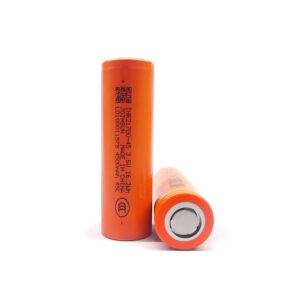 21700 Li-ion Cells
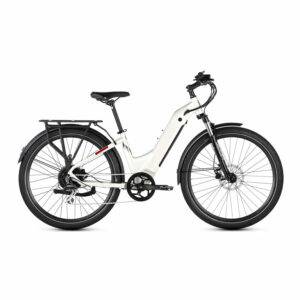 E-Bike Lithium Battery
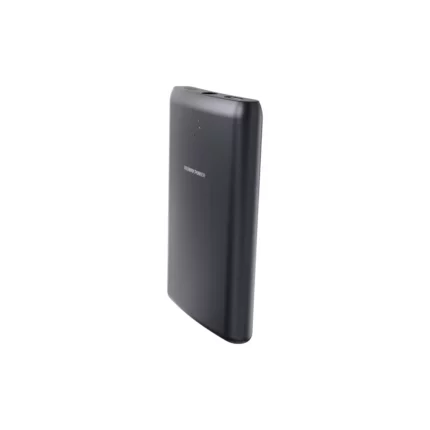 Power Bank
Related articles & discussions
- Can I Use 21700 Instead of 18650 Batteries? What You Need to Know
- Can I Use 21700 in Place of 18650?
- What is the Benefit of 21700 Battery?
- Is 21700 or 18650 Better for Vaping?
- What Are the Different Types of 18650 Cells?
- How Do 21700 and 18650 Batteries Compare for Electric Mobility?
- What is the maximum temperature of 18650 cells?
- What You Need to Know About 18650 vs. 21700 Batteries
- Is 21700 Better Than 18650? An In-Depth Comparison
- Which is Better: 32650 Cell or 18650?
