




Golf Cart Battery: Technology and System Fundamentals — Part 2
Confirm system voltage, usable amp-hours, tray dimensions and charger compatibility before choosing chemistry.
A decision-led route through 35 focused articles for golf cart owners, dealers and fleets.
Three routes through technology and system fundamentals — part 2
Start with the requirement, confirm compatibility, then use operating evidence to refine the choice. Every article remains linked even when the longer lists are folded.

Define the requirement first
Golf Cart Battery decisions work best when confirm system voltage, usable amp-hours, tray dimensions and charger compatibility before choosing chemistry. This technology and system fundamentals — part 2 group is arranged for golf cart owners, dealers and fleets, so the sequence follows the real decision rather than publication date. Use the linked guidance to confirm measurements and operating assumptions, then record the result before comparing a product or supplier. Topics such as What Is 105Ah MD Lithium Battery, What Is 60Ah MD Lithium Battery, What Is A Good Lithium Battery That Won’t Damage The Cart are useful only when read against the same duty cycle. The practical objective is to prevent short range, BMS cut-outs and premature pack failure. Planning should end with a written specification that another technician or buyer can check, not a brand preference or a single headline number.
- What Is 105Ah MD Lithium Battery?
- What Is 60Ah MD Lithium Battery?
- What Is A Good Lithium Battery That Won’t Damage The Cart?
- What Is A High Cycle Battery And Its Benefits?
Show remaining 8 articles
Match the system and installation
Golf Cart Battery decisions work best when confirm system voltage, usable amp-hours, tray dimensions and charger compatibility before choosing chemistry. This technology and system fundamentals — part 2 group is arranged for golf cart owners, dealers and fleets, so the sequence follows the real decision rather than publication date. Use the linked guidance to confirm measurements and operating assumptions, then record the result before comparing a product or supplier. Topics such as What Is The 70V 105Ah LiFePO4 Battery Used For, What Is The Bama Scooter GroundHog 450 Replacement Battery, What Is The Bintelli Beyond 6 Seater Replacement Battery are useful only when read against the same duty cycle. The practical objective is to prevent short range, BMS cut-outs and premature pack failure. Selection should end with a written specification that another technician or buyer can check, not a brand preference or a single headline number.
- What Is The 70V 105Ah LiFePO4 Battery Used For?
- What Is The Bama Scooter GroundHog 450 Replacement Battery?
- What Is The Bintelli Beyond 6 Seater Replacement Battery?
- What Is The DC-8V 8V Flooded Battery?
Show remaining 8 articles
- What Is The Duracell DURDC12-100P Battery?
- What Is The GEM eL XD Replacement Battery?
- What Is The GETGO 4-SEATER Replacement Battery?
- What Is The HydroLink Watering System?
- What is the life expectancy of a lead-acid battery?
- What Is the Main Disadvantage of an AGM Battery?
- What Is The Purpose Of A High Cycle Battery?
- What Is The Purpose Of A Standard Battery?

Operate, verify and troubleshoot
Golf Cart Battery decisions work best when confirm system voltage, usable amp-hours, tray dimensions and charger compatibility before choosing chemistry. This technology and system fundamentals — part 2 group is arranged for golf cart owners, dealers and fleets, so the sequence follows the real decision rather than publication date. Use the linked guidance to confirm measurements and operating assumptions, then record the result before comparing a product or supplier. Topics such as What Is The Rocket ES10-6 Battery, What Is The SLIGC115 Battery Used In, What Is The SoloRider 34 Replacement Battery are useful only when read against the same duty cycle. The practical objective is to prevent short range, BMS cut-outs and premature pack failure. Operation should end with a written specification that another technician or buyer can check, not a brand preference or a single headline number.
- What Is The Rocket ES10-6 Battery?
- What Is The SLIGC115 Battery Used In?
- What Is The SoloRider 34 Replacement Battery?
- What Is The SP-70 Battery Model?
Show remaining 7 articles
- What Is The SP-70 Battery?
- What Is The T-890 8V Flooded Battery?
- What Is The T105 AES 6V Battery?
- What Is The T875 AES 8V Battery?
- What Makes the Right Lithium Battery the Key to EV Performance and Profitability?
- What Should You Know About LiFePO4 Battery Exporters?
- Who Are China’s Leading LiFePO4 Battery Suppliers in 2025?
Return to the Golf Cart Battery main guide.
Measure before comparing models
Write down the present system voltage, real load, operating hours, charging window, temperatures and available space. Nameplate capacity is a starting point, not a complete requirement. A replacement that looks larger on paper can still fail if its current limit, connector, communication or enclosure conflicts with the equipment. Use the articles above to replace estimates with measured values and keep a record of the assumptions used.
Treat the charger as part of the battery system
A battery change is incomplete until the charger profile, current and termination behaviour are confirmed. Chemistry labels alone do not prove compatibility. Verify the exact voltage window, communication needs and connector polarity, then test a complete charge under normal operating conditions. This is especially important when converting older equipment or combining components from different suppliers.
Compare lifetime value under the real duty cycle
Purchase price should be compared with usable energy, expected cycles, charging time, maintenance labour, downtime and replacement risk. The cheapest unit can be the most expensive choice when it cannot complete the shift or loses capacity quickly. Use a consistent duty cycle for every quotation and require suppliers to state what assumptions sit behind runtime and life estimates.
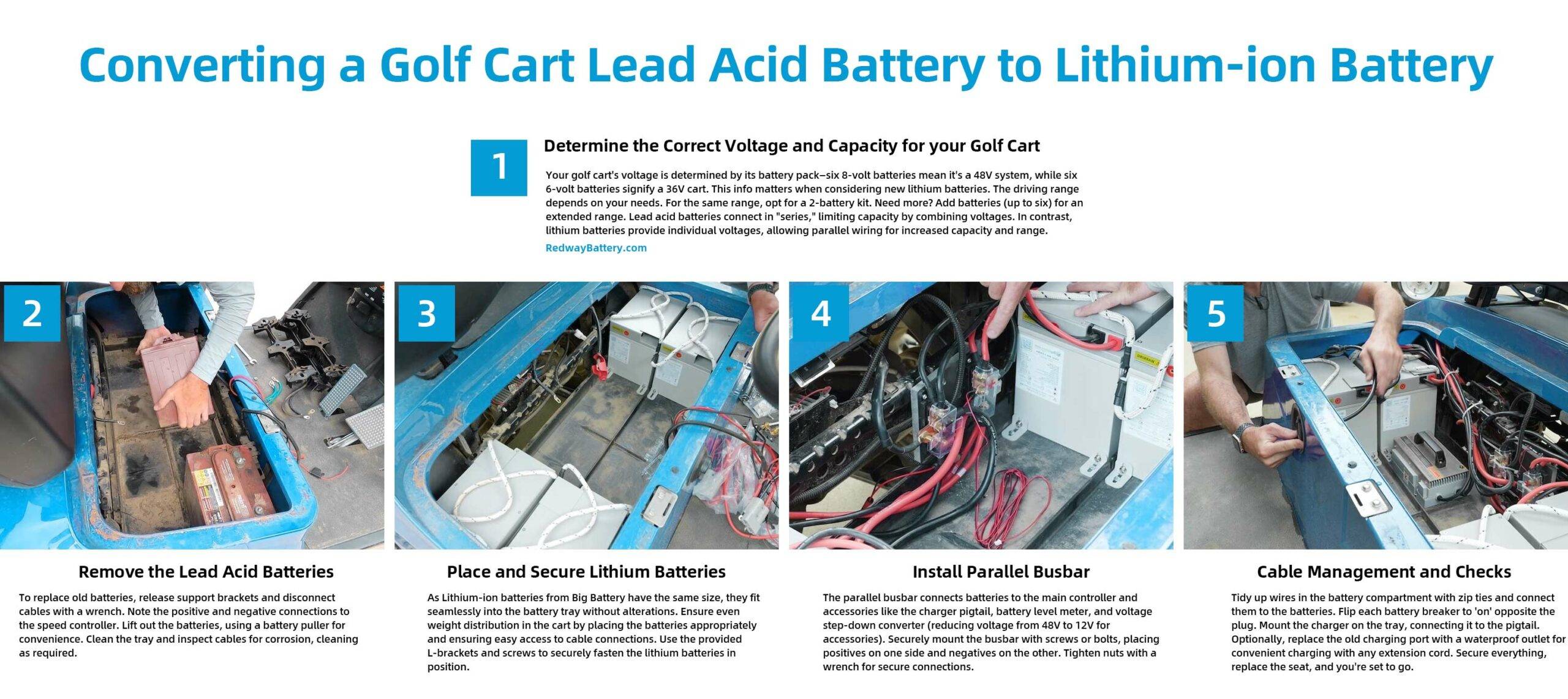
Commission the installation and keep a baseline
After installation, inspect mounting, cables, protection, communication and charger behaviour before releasing the equipment. Record initial voltage, state of charge, runtime, temperatures and any alarms. That baseline makes future diagnosis faster because a change can be compared with a known healthy condition instead of relying on memory. Recheck the system after the first full operating cycle.
Frequently asked questions
How should I start with technology and system fundamentals — part 2?
Start with the application and duty cycle, then verify voltage, usable capacity, current, dimensions and charging. That order prevents a familiar model name from overriding the requirements that decide whether the system works.
How many articles are included here?
This guide routes to 35 focused articles. The links are grouped by decision stage and long lists are folded for readability without removing them from the page or from search-engine discovery.
What is the most common mistake?
The common mistake is comparing one specification in isolation. Golf Cart Battery performance depends on the battery, charger, load, environment and operating schedule working as one system.
When should a specialist check the choice?
Use a qualified supplier or technician when the installation changes voltage, connectors, charging equipment, counterweight, ventilation or protection settings. Those changes affect safety as well as performance.
What should be documented after installation?
Record model, chemistry, nominal voltage, usable capacity, charge settings, connector, commissioning date and baseline runtime. Those records make later maintenance and warranty decisions much faster.
Turn the guide into a checked specification
Send the application, present battery details and operating schedule so the next recommendation can be checked against real constraints.
