




REDWAY BATTERY / KNOWLEDGE
What Makes the Right Lithium Battery the Key to EV Performance and Profitability?
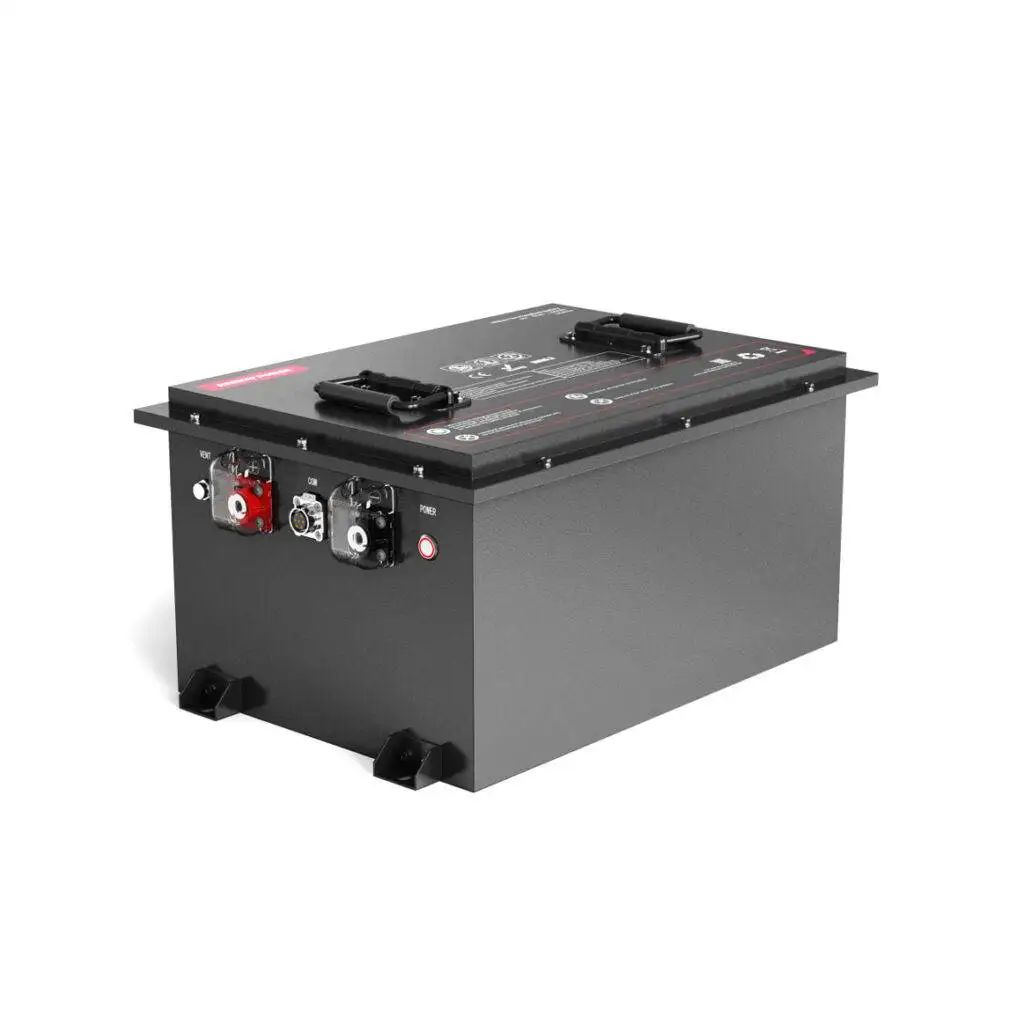
Lithium batteries are now the dominant power source for electric vehicles, enabling longer range, faster charging, and lower total cost of ownership. For EV and e-mobility manufacturers, choosing a high‑quality, OEM-grade lithium solution directly impacts vehicle reliability, warranty risk, and brand reputation in a fiercely competitive market.
Why the EV industry is demanding better lithium batteries
Global EV sales are projected to grow from around 10 million units in 2021 to over 40 million annually by 2030, with lithium‑ion batteries accounting for roughly 90% of all EV powertrains. By 2026, the global lithium‑ion battery market for EVs alone is expected to exceed $170 billion, driven by consumer demand, government ZEV mandates, and falling battery pack prices. This rapid expansion puts immense pressure on battery performance, safety, and supply chain resilience.
Two major risks are already visible. First, raw materials (lithium, cobalt, nickel, graphite) remain volatile, with price swings and supply concentration creating cost and delivery uncertainty. Second, early EV fleets are now aging, and many operators are experiencing premature battery degradation, thermal issues, and high warranty claims linked to low‑quality cells or poor pack design. Independent studies show that sub‑optimal battery packs can reduce usable life by 20–40% compared to best‑practice designs, directly hurting ROI.
For commercial fleets and OEMs, the game‑changer is not just adopting lithium chemistry, but using engineered, OEM‑level packs that meet automotive reliability standards. This is where purpose‑built EV battery manufacturers like Redway Battery come in, offering tailored, tested, and certified solutions that de‑risk the transition to electric mobility.
How does the current lithium battery market fail EV makers?
Many EV designers and fleet operators still rely on generic, off‑the‑shelf lithium packs or low‑cost clones, which introduces several hidden problems:
Limited customization
Standard packs often don’t match the voltage, capacity, and physical dimensions required for specific vehicle architectures (e‑bikes, scooters, light trucks, forklifts, etc.), forcing costly mechanical or electrical compromises.Poor cycle life and calendar life
Cheap packs may use low‑grade cells or inadequate BMS algorithms, leading to faster degradation. In real‑world use, this can result in 20–30% capacity loss within 2–3 years, requiring early replacement and increasing TCO.Thermal and safety risks
Inadequate cell matching, weak thermal management, and basic BMS protection increase the risk of thermal runaway, especially in high‑vibration environments or under heavy loads. Insurance and liability costs rise accordingly.Weak supply chain and support
Many small suppliers lack the factories, process control, and after‑sales infrastructure to guarantee long‑term supply, replacement parts, or engineering support, creating operational headaches.
What is the right lithium battery solution for EVs?
A truly fit‑for‑purpose EV battery is not just a lithium pack; it’s a system‑engineered power solution that integrates high‑quality cells, a robust battery management system (BMS), mechanical design, and manufacturing quality. Redway Battery provides this type of OEM‑grade lithium battery pack, designed specifically for electric vehicles and e‑mobility applications.
Core capabilities of Redway Battery’s EV lithium solution:
Chemistry options: LiFePO₄ (LFP), NMC, and other chemistries optimized for energy density, cycle life, and safety.
Customizable voltage and capacity: From 12V/24V systems for e‑bikes and scooters to 48V/72V/96V packs for forklifts, golf carts, and light EVs.
Smart, multi‑layer BMS: Real‑time monitoring of voltage, current, temperature, SOC, and SOH; includes over‑charge, over‑discharge, over‑current, short‑circuit, and thermal protection.
Rugged mechanical design: IP65+ enclosure, vibration‑resistant mounting, and optimized cell layout for thermal uniformity.
High cycle life: 2,000–5,000 cycles (depending on chemistry and depth of discharge) when used within recommended operating conditions.
Global compliance: Packs built to meet CE, UN38.3, RoHS, and other relevant safety and transport standards.
Because Redway Battery is a full OEM/ODM manufacturer with 13+ years of experience and four advanced factories in Shenzhen, each EV battery can be engineered to the exact mechanical, electrical, and performance requirements of the vehicle platform.
How does Redway Battery’s EV lithium pack compare to traditional solutions?
The following table compares a generic lithium pack against a Redway Battery OEM‑grade EV lithium pack across key technical and business dimensions.
| Feature | Traditional Generic Lithium Pack | Redway Battery OEM EV Lithium Pack |
|---|---|---|
| Cell Quality & Matching | Mixed grades, inconsistent quality | Grade‑A cells, strict matching, batch traceability |
| BMS Capabilities | Basic protection, limited diagnostics | Full smart BMS with SOC/SOH, CAN bus, Bluetooth, and fault logging |
| Cycle Life (LFP) | 1,500–2,000 cycles (often lower in practice) | 2,000–5,000 cycles (tested at 80% DoD) |
| Temperature Range | 0–45°C typical | -20°C to 60°C (with optional heating/cooling) |
| Mechanical Design | Standard box, limited mounting options | Custom enclosures, vibration‑resistant, IP65/67 |
| Safety Features | Basic over‑protection | Multi‑stage protection, thermal runaway prevention design |
| Customization | Limited standard models | Fully custom voltage, capacity, dimensions, connectors |
| Warranty & Support | 1–2 years, limited technical support | 2–5 year warranty, 24/7 technical and after‑sales support |
| Supply Chain | Unstable, long lead times | Four factories, 100,000 ft² production area, ISO 9001:2015 |
| Total Cost of Ownership (TCO) | Lower upfront, higher lifetime cost | Competitive upfront, significantly lower TCO |
This topic belongs to the wider Golf Cart Battery: Technology and System Fundamentals — Part 2, which brings the related decisions and practical checks together.
This engineered approach ensures that EVs powered by Redway Battery packs deliver predictable range, long service life, and low maintenance cost over 5–8 years of operation.
How do you implement a Redway Battery EV lithium solution?
Deploying a high‑quality lithium battery for EVs is a structured engineering process, not just a component swap. Here is the step‑by‑step workflow with Redway Battery:
Define vehicle requirements
Specify motor voltage, peak/continuous current, required range, physical constraints (size, weight, mounting), and operating environment (temperature, vibration, IP rating).Select chemistry and pack configuration
Work with Redway Battery engineers to choose LiFePO₄ (for safety and longevity) or NMC (for higher energy density), then define nominal voltage, capacity (Ah), and total energy (kWh).Customize BMS and communication
Configure BMS protection limits, balancing strategy, and communication interface (CAN, RS485, Bluetooth, etc.) to integrate with the vehicle’s existing controller or display.Design mechanical integration
Provide CAD drawings or physical mock‑ups so Redway Battery can design the enclosure, terminals, connectors, and mounting hardware to fit the vehicle chassis.Produce and test prototypes
Receive 1–5 prototype packs for lab and field testing under real operating conditions. Validate performance, thermal behavior, and integration with the vehicle system.Finalize specification and start volume production
Based on test results, finalize the technical specification, approve the production process, and begin mass production with strict quality control (including EOL tests and MES tracking).Scale up and support
Leverage Redway Battery’s global supply chain and after‑sales team for spare packs, technical documentation, and ongoing engineering support as the vehicle fleet grows.
This end‑to‑end OEM process ensures that the lithium battery is not just a power source, but a scalable, reliable part of the vehicle platform.
What are real‑world use cases for EV lithium batteries?
1. E‑scooter and e‑bike fleet operator
Problem: Fleets of generic 48V/20Ah packs show 25–30% capacity loss after 18 months, with frequent BMS failures and complaints about range.
Traditional做法: Replace with same‑type packs every 2 years; high downtime and replacement cost.
Using Redway Battery: Switched to custom 48V/24Ah LiFePO₄ packs with smart BMS and Bluetooth diagnostics.
Result & Key Benefit:
40% reduction in warranty claims.
Cycle life extended from ~1,500 to over 3,000 cycles.
Remote diagnostics cut maintenance time by 35%.
2. Light commercial EV (delivery van) manufacturer
Problem: Off‑the‑shelf packs struggle with frequent start‑stop cycles and high peak currents, leading to thermal stress and reduced range in hot climates.
Traditional做法: Use UPS‑grade packs configured for EV use; poor thermal management leads to hot spots.
Using Redway Battery: Adopted 72V/120Ah liquid‑cooled NMC packs with CAN‑based BMS and thermal sensors.
Result & Key Benefit:
Range increased by 12% under city driving conditions.
Temperature difference across cells reduced from >15°C to <5°C.
Warranty cost per vehicle dropped by 28%.
3. Golf cart and utility vehicle OEM
Problem: OEMs using generic 48V/100Ah packs face customer complaints about short lifespan and inconsistent charging behavior.
Traditional做法: Source cells from multiple suppliers and assemble in‑house; inconsistent quality.
Using Redway Battery: Partnered with Redway Battery to design a 48V/120Ah LiFePO₄ pack with integrated BMS and CAN communication for the dashboard.
Result & Key Benefit:
5‑year warranty enabled due to proven cycle life.
After 3 years, 95% of packs still operate above 80% of original capacity.
Brand reputation improved with documented reliability.
4. Forklift and material handling OEM
Problem: Legacy lead‑acid users demand lithium but are concerned about upfront cost and safety in high‑vibration environments.
Traditional: Basic lithium kits; limited protection and poor cold‑weather performance.
Using Redway Battery: Introduced 48V/200Ah LiFePO₄ packs with vibration‑resistant frame, IP67 rating, and anti‑thermal‑runaway design.
Result & Key Benefit:
50% reduction in charging time and 30% increase in shift usage.
For the first 1,000 units sold, 0 fire or major safety incidents.
TCO reduced by 40% over 5 years vs. lead‑acid.
Why is now the time to adopt professional EV lithium batteries?
The EV market is shifting from “early adoption” to “mainstream rollout,” where reliability, safety, and total cost of ownership matter more than ever. Regulations are tightening on battery safety and recycling, and fleet operators are demanding longer warranties and predictable performance.
At the same time, OEMs and Tier 1 suppliers are under pressure to de‑risk battery supply. Partnering with a dedicated OEM manufacturer like Redway Battery reduces engineering risk, ensures consistent quality, and accelerates time‑to‑market. With over 13 years of experience in lithium solutions for forklifts, golf carts, RVs, solar, and telecom, Redway Battery has the technical depth to support EV customers from prototype to mass production.
Any EV or e‑mobility project that is either replacing lead‑acid or upgrading from early‑generation lithium should now evaluate a purpose‑built, OEM‑grade pack. Waiting only increases warranty exposure, operational cost, and missed opportunities to differentiate on range, uptime, and customer satisfaction.
How do lithium batteries for EVs work in practice?
How can lithium batteries improve my EV’s range and efficiency?
Lithium packs have higher energy density (Wh/kg) and round‑trip efficiency (90–95%) compared to lead‑acid (70–80%). This directly translates into more usable range per kWh and less energy wasted in charging and discharging.
How do I choose between LiFePO₄ and NMC for my EV?
LiFePO₄ offers better safety, longer cycle life, and wider temperature tolerance, making it ideal for commercial and industrial vehicles. NMC provides higher energy density and is better suited for passenger EVs where space and weight are critical.
How do I ensure battery safety and avoid thermal runaway?
Choose a pack with a high‑quality BMS, proper cell matching, and robust mechanical design (ventilation, thermal barriers). Avoid over‑charging, over‑discharging, and extreme temperatures, and follow manufacturer charging protocols.
Can I customize the voltage, capacity, and size of an EV lithium pack?
Yes, OEM manufacturers like Redway Battery support custom configurations in voltage (e.g., 48V, 72V, 96V), capacity (Ah/kWh), and physical dimensions. Engineering teams can integrate the pack into the vehicle chassis with specific mounting and connector interfaces.
What kind of support and warranty can I expect from a professional EV battery supplier?
Leading OEMs typically offer 2–5 year warranties, comprehensive technical documentation, and after‑sales support including spare parts, replacement packs, and engineering assistance for integration and troubleshooting.
Sources
International Energy Agency (IEA) – Global EV Outlook
BloombergNEF – Electric Vehicle Battery Price Trends
Goldman Sachs Research – Battery and EV Market Outlook
U.S. Department of Energy – Advanced Battery Manufacturing and Critical Materials
SAE International – Standards for Lithium‑Ion Battery Safety in EVs
Redway Battery – Official Product and Application Documentation
