




REDWAY BATTERY / KNOWLEDGE
How Can 36V, 48V, and 72V Lithium Golf Cart Batteries Redefine the Future of Electric Mobility?
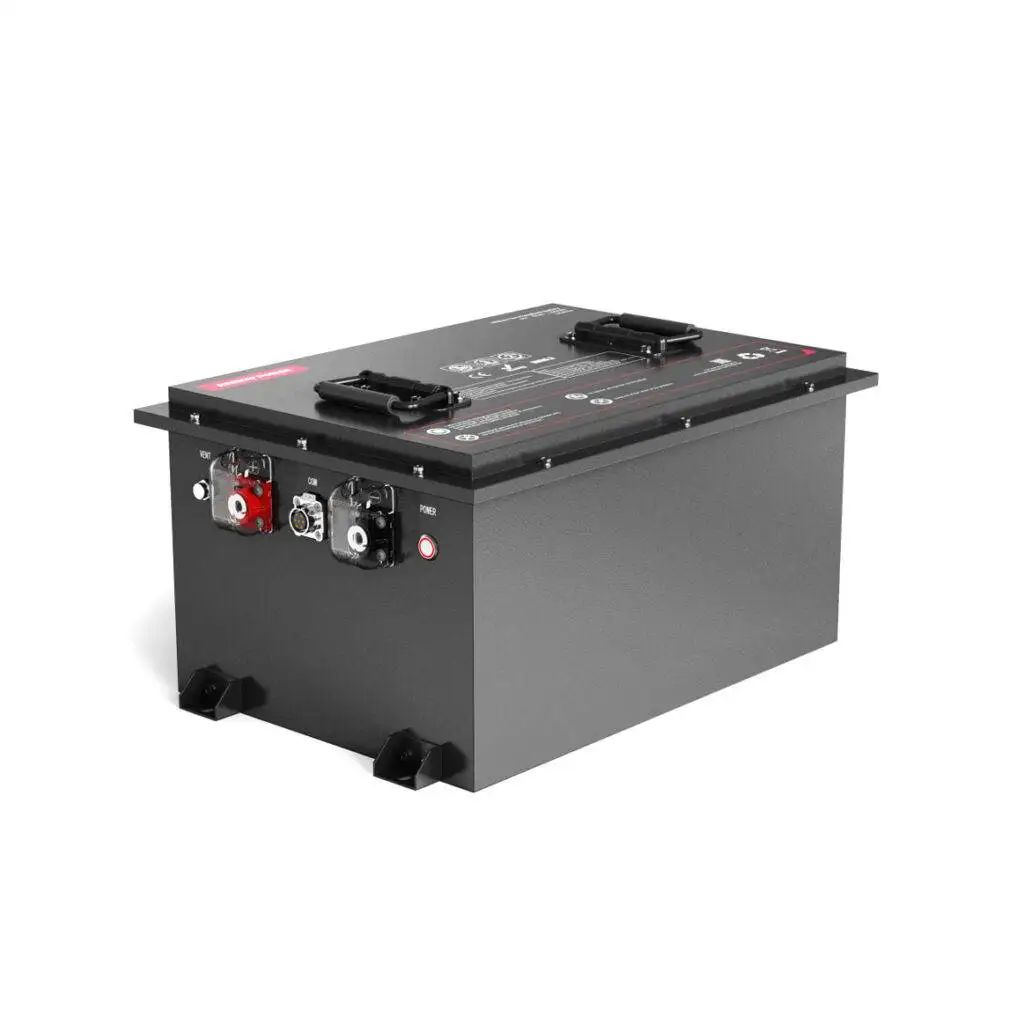
Global demand for electric golf carts is surging as sustainability becomes a priority across leisure, commercial, and transportation sectors. Redway Battery’s advanced 36V, 48V, and 72V lithium golf cart batteries deliver longer runtime, faster charging, and unmatched reliability—empowering users to reduce operating costs while increasing performance.
How Is the Golf Cart Power Industry Evolving Today?
According to Grand View Research, the global golf cart market was valued at over USD 1.7 billion in 2024 and is projected to grow at a CAGR of 5.8% through 2030. This growth is largely driven by rising adoption in golf courses, gated communities, and industrial campuses. However, traditional lead-acid battery technology still dominates, accounting for nearly 65% of installations despite its known inefficiencies. The demand for longer life cycles and sustainable energy storage has created an urgent need for safer, smarter power solutions.
Fleet operators report frequent downtime caused by slow charging and limited range. A study from the National Renewable Energy Laboratory found that lead-acid batteries lose nearly 50% of their capacity within two years of heavy use, leading to costly replacements. As environmental regulations tighten, maintenance-heavy systems are no longer viable. This growing pressure compels OEMs and facility managers to seek advanced lithium alternatives like those from Redway Battery.
The industry now faces a turning point: shifting from outdated chemistry toward high-density lithium technology with consistent voltage output, extended lifespan, and superior safety.
What Makes Traditional Lead-Acid Batteries Outdated?
Lead-acid technology has served the industry for decades, but its fundamental limitations are increasingly incompatible with modern performance needs. They suffer from low energy efficiency (only 70–80%), slow recharge rates (6–8 hours), and heavy weight, which reduces overall vehicle performance. Frequent watering, venting, and maintenance add to both operational hassle and lifecycle cost. Moreover, environmental concerns surrounding lead disposal and acid leakage raise sustainability issues.
Why Are Lithium Solutions from Redway Battery a Game Changer?
Redway Battery’s 36V, 48V, and 72V lithium golf cart batteries address these pain points with LiFePO4 chemistry engineered for maximum stability and power density. The company leverages 13 years of OEM experience and ISO 9001:2015-certified production to ensure each battery is built for durability and precision. Redway’s batteries come with built-in Battery Management Systems (BMS) that provide real-time protection against overcharge, short circuit, and temperature fluctuations. With up to 6000 deep cycles and 2-hour fast charging capability, their lithium series offers a scalable solution for golf course fleets, resorts, and industrial transport systems alike.
Which Key Advantages Distinguish Lithium From Lead-Acid Technology?
| Feature | Traditional Lead-Acid Battery | Redway Lithium Golf Cart Battery |
|---|---|---|
| Energy efficiency | 70–80% | 95–98% |
| Weight-to-energy ratio | Very heavy | Up to 60% lighter |
| Charging time | 6–8 hours | 2–3 hours |
| Cycle life | 300–500 cycles | 4000–6000 cycles |
| Maintenance | Regular watering, corrosion | Maintenance-free |
| Temperature performance | Limited | Excellent in wide temperature range |
| Environmental impact | Toxic lead & acid | Eco-friendly LiFePO4 chemistry |
For the surrounding sizing, selection, installation and maintenance decisions, continue with the Golf Cart Battery Reviews: How to Read One Without Being Misled.
How Can You Implement the Redway Lithium Battery Solution Step by Step?
Assessment: Evaluate energy needs and voltage requirements (36V, 48V, or 72V).
Configuration: Select the appropriate capacity and form factor based on the number of carts or operating hours.
Installation: Replace existing lead-acid packs with Redway lithium units, following plug-and-play instructions.
Integration: Connect battery monitoring via Redway’s smart BMS for real-time diagnostics.
Optimization: Schedule minimal maintenance checks and enjoy consistent high performance.
Who Benefits Most from Redway’s Lithium Battery Solutions?
1. Golf Courses
Problem: Downtime due to frequent battery failures during peak play hours.
Traditional Approach: Reliance on heavy lead-acid batteries requiring watering and slow charging.
After Switching: 48V Redway Battery packs reduced downtime by 70% and enhanced operational throughput.
Key Benefit: Cut maintenance costs and improved golfer satisfaction.
2. Resorts and Hotels
Problem: Poor guest experience caused by limited range of shuttle carts.
Traditional Approach: Carts powered by aging lead-acid cells with fluctuating voltage.
After Switching: 36V lithium packs achieved 2x longer range with faster charging during off-hours.
Key Benefit: Reliable guest transport and lower energy bills.
3. Industrial Facilities
Problem: Inconsistent power supply for material handling carts.
Traditional Approach: Lead-acid batteries losing capacity under heavy load.
After Switching: 72V Redway lithium cells sustained power even under full load.
Key Benefit: Enhanced productivity and reduced replacement cycles.
4. Residential Communities
Problem: Frequent charging and maintenance causing homeowner frustration.
Traditional Approach: Bulk charging with inefficiency and overheating issues.
After Switching: Redway lithium packs provided smooth rides for weeks between charges.
Key Benefit: Energy savings, zero maintenance, and longer asset life.
What Future Trends Are Driving Lithium Battery Adoption?
By 2030, over 80% of new golf carts are expected to adopt lithium power systems, according to industry analysts. Key trends include digital BMS integration, IoT-enabled battery tracking, and smart charging infrastructure at golf courses and resorts. As energy efficiency standards tighten globally, lithium technology will become the baseline rather than the exception. Redway Battery is well-positioned to lead this transition, offering scalable OEM and ODM solutions custom-tailored to commercial demands. Adopting these systems today not only ensures regulatory compliance but also delivers measurable long-term savings and environmental benefits.
FAQ
1. Why should I upgrade from lead-acid to lithium batteries?
Because lithium batteries provide up to four times the lifespan, faster charging, and lower maintenance, reducing total cost of ownership.
2. Which voltage system—36V, 48V, or 72V—is best for my golf cart?
36V suits small carts, 48V is standard for most fleet systems, while 72V is ideal for high-performance or commercial applications.
3. Does Redway Battery offer OEM customization?
Yes, Redway Battery provides full OEM/ODM customization to match voltage, capacity, and form factor for any application.
4. Can lithium batteries be safely used in all weather conditions?
Yes, Redway’s LiFePO4 batteries operate efficiently in both hot and cold environments with integrated thermal protection.
5. How long do Redway lithium batteries last?
Up to 6000 charge cycles with minimal capacity loss, equivalent to more than 10 years of regular golf cart use.
