




REDWAY BATTERY / KNOWLEDGE
How Can a 72V 200Ah Lithium Golf Cart Battery OEM Supplier Transform Your Fleet Efficiency?
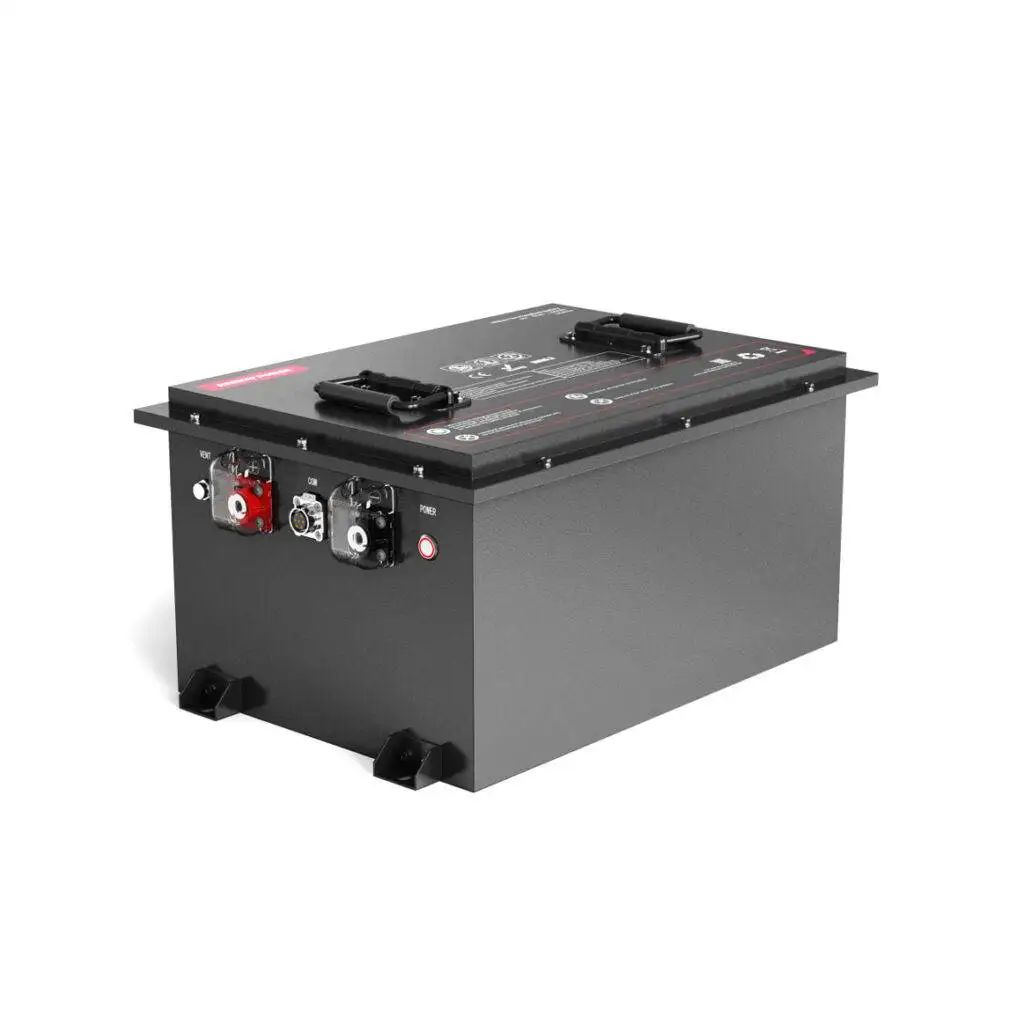
The demand for longer-lasting, safer, and smarter golf cart batteries is accelerating as fleets transition from lead-acid to lithium technology. Choosing a reliable OEM supplier for a 72V 200Ah lithium golf cart battery is now a strategic move that determines performance, efficiency, and total ownership cost.
What Is the Current State of the Golf Cart Battery Industry and Its Pain Points?
Global electrification trends are reshaping the golf cart market. According to Grand View Research, the global golf cart market size was valued at over USD 1.5 billion in 2023 and is projected to grow at more than 6% CAGR through 2030. Behind that growth lies a mounting pressure on fleet operators to optimize uptime, reduce maintenance, and support sustainable power sources. Yet, traditional lead-acid batteries continue to underperform—offering slow charging times, limited cycle life, and frequent replacements. Many golf course fleets and industrial operators report that lead-acid batteries require replacement every 2–3 years, which increases operational downtime and waste. Additionally, supply chain instability and rising raw material costs have driven OEMs to seek stable partnerships capable of high-volume, custom-engineered lithium battery solutions. In this competitive landscape, manufacturers like Redway Battery are enabling power system upgrades that increase productivity while lowering lifecycle costs.
Why Are Traditional Lead-Acid Solutions No Longer Enough?
Despite being inexpensive, lead-acid batteries lag behind modern lithium technology in almost every measurable category. They offer energy densities of 30–50 Wh/kg, significantly lower than lithium iron phosphate (LiFePO4) batteries, which deliver around 120–150 Wh/kg. Lead-acid units experience voltage sag during discharge, require frequent watering, and lose capacity at high temperatures. In contrast, lithium systems maintain consistent voltage output and over 95% round-trip efficiency. Moreover, the environmental cost of lead-acid disposal continues to draw scrutiny from regulators and eco-conscious operators alike. As fleets extend operational hours and integrate digital maintenance systems, lithium-powered systems have become essential for ensuring reliability and sustainability.
How Does the 72V 200Ah Lithium Golf Cart Battery OEM Solution Work?
The 72V 200Ah lithium golf cart battery, developed by Redway Battery, is built using advanced LiFePO4 chemistry for stable energy delivery and optimal safety. It provides a total energy capacity of around 14.4 kWh, ideal for high-duty applications such as golf carts, utility vehicles, and industrial transport. Redway’s OEM engineering team customizes parameters including casing design, communication protocols (CAN, RS485), and BMS features to ensure seamless vehicle integration. The built-in Battery Management System offers cell balancing, overcharging protection, and real-time data feedback to extend cycle life up to 4000+ cycles at 80% depth of discharge. By replacing conventional packs with Redway’s 72V 200Ah solution, operators achieve lower maintenance frequency and higher operational uptime.
What Are the Key Advantages Compared to Traditional Solutions?
| Feature | Traditional Lead-Acid Battery | Redway 72V 200Ah LiFePO4 Battery |
|---|---|---|
| Energy density | 30–50 Wh/kg | 120–150 Wh/kg |
| Cycle life | 500–800 cycles | 4000+ cycles |
| Maintenance | Frequent watering and cleaning | Maintenance-free |
| Charging time | 6–10 hours | 2–3 hours |
| Safety | Risk of acid leaks | Stable thermal behavior |
| Weight | Heavy and bulky | Lightweight, compact |
| Monitoring | Manual checks | Smart BMS data system |
For connected guidance and the next practical steps, use the Golf Cart Battery Manufacturers: How to Pick One for OEM and Wholesale.
Redway Battery’s technology delivers consistent voltage output, faster charging, and built-in safety features, making it a practical long-term investment for professional fleets.
How Can Businesses Implement This Solution Step-by-Step?
Assessment and Consultation: Evaluate fleet power requirements and operational patterns with Redway Battery engineers.
Customization and Design: Define specifications such as voltage, casing, and communication interface for OEM compatibility.
Prototype Testing: Apply initial batches to selected vehicles to verify performance benchmarks.
Full-scale Production: Initiate mass production via Redway’s ISO 9001:2015-certified factories with automated MES tracking.
Deployment and Support: Integrate systems into your fleet with Redway’s technical support and after-sales service.
Performance Monitoring: Use onboard BMS data to manage efficiency, charge cycles, and predictive maintenance.
Which Real-World Scenarios Show the ROI of Lithium Battery Integration?
1. Golf Course Fleet Modernization
Problem: High maintenance downtime with lead-acid fleets reducing availability during peak play hours.
Traditional Method: Replace batteries every 2 years due to degradation.
Result After Switch: Redway Battery’s 72V 200Ah lithium system extended battery life to over 5 years and reduced downtime by 40%.
ROI: Annual operational savings of 25%.
2. Resort Shuttle Operations
Problem: Vehicles running multiple routes daily required midday charging breaks.
Traditional Method: Use oversized lead-acid packs that quickly degraded.
Result After Switch: Lithium upgrade allowed continuous operation without mid-shift charging.
ROI: Increased vehicle utilization by 30%.
3. Industrial Facility Transport
Problem: Frequent voltage drop during heavy cargo transport.
Traditional Method: Manual battery rotation and replacements every 18 months.
Result After Switch: Consistent output across shifts using Redway’s stabilized discharge curve.
ROI: 50% reduction in replacement costs.
4. Rental Fleet Management
Problem: Managing varying drivers and charging habits led to inconsistent battery lifespan.
Traditional Method: No monitoring system in place.
Result After Switch: BMS monitoring enabled remote control and health tracking.
ROI: Improved predictive maintenance, cutting unscheduled downtime by 35%.
What Future Trends Are Shaping the Lithium Golf Cart Battery Market?
Battery innovation is accelerating toward higher energy density, smart connectivity, and recycling efficiency. As cost parity with lead-acid improves, OEM lithium adoption for golf carts and small vehicles could exceed 70% by 2030. Redway Battery’s long-term strategy includes AI-driven battery analytics, modular designs for scalable applications, and enhanced recyclability. With governments promoting low-carbon mobility and sustainable manufacturing, now is the strategic moment to shift from traditional power systems to lithium-based solutions that extend asset life and strengthen sustainability reporting.
FAQ
1. Can a 72V 200Ah lithium battery replace my existing lead-acid battery?
Yes, Redway Battery designs their OEM lithium packs as direct replacements with compatible voltage and connectors.
2. How long does a Redway Battery last compared to lead-acid options?
Typically over 4000 cycles—about 5 times longer than standard lead-acid batteries.
3. Does the battery support smart energy management systems?
Yes, the built-in BMS integrates with digital monitoring tools using CAN or RS485 protocols.
4. Are lithium batteries safe for outdoor and hot-climate use?
LiFePO4 cells in Redway batteries are thermally stable and resistant to overheat risks.
5. How can I order customized OEM versions?
Redway Battery provides full OEM/ODM services, tailoring voltage, capacity, and casing for specific fleet requirements.
Sources
Grand View Research – Golf Cart Market Analysis 2024
International Energy Agency – Global EV and Battery Outlook 2025
BloombergNEF – Energy Storage Market Forecast
Statista – Lithium-Ion Cost Evolution by Year
World Economic Forum – Battery Manufacturing and Sustainability Report
