




REDWAY BATTERY / KNOWLEDGE
How Can Advanced Lithium Battery Power Systems Revolutionize Sightseeing Car Performance?
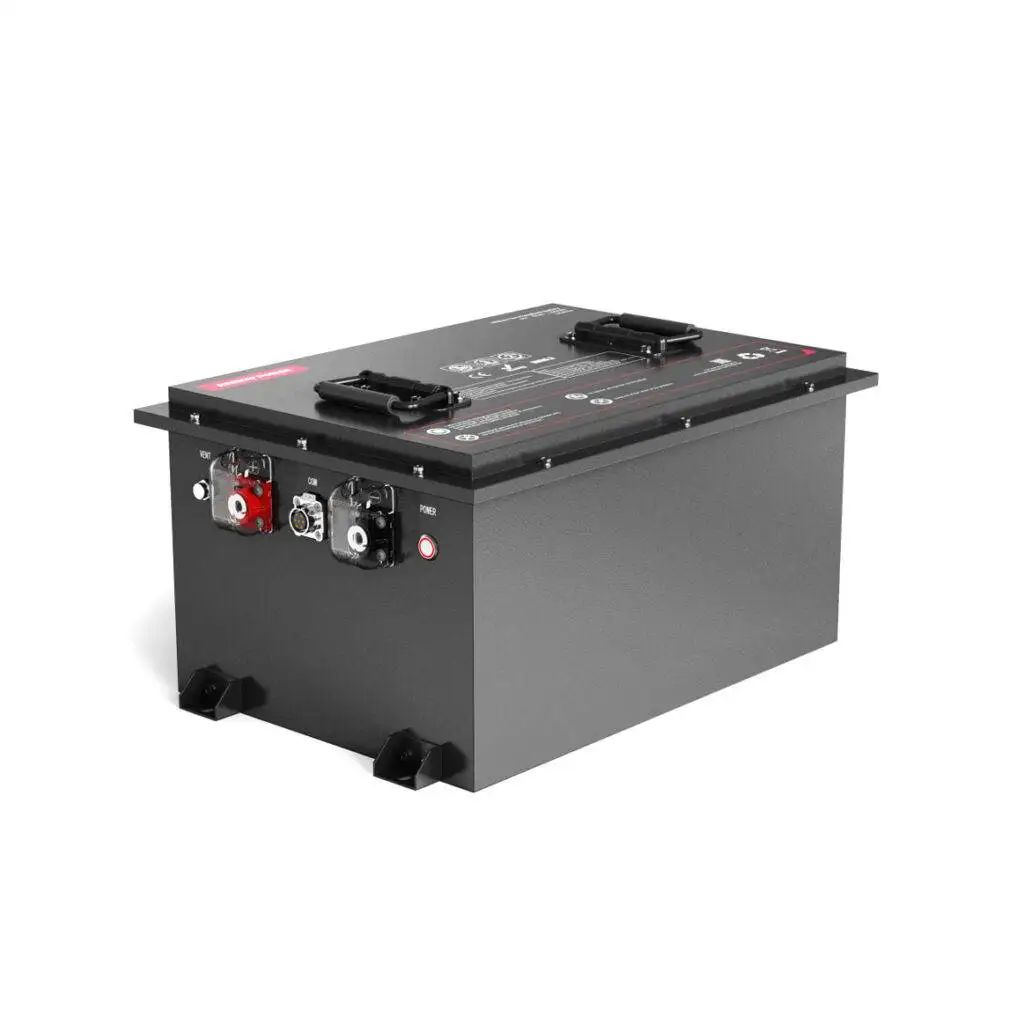
Sightseeing car fleets worldwide are rapidly adopting lithium battery power systems to improve efficiency, sustainability, and cost control. As tourism operators confront stricter emission standards and rising energy costs, choosing a dependable and high-performance battery system has never been more urgent.
How Is the Sightseeing Car Industry Evolving and What Are Its Current Challenges?
According to Allied Market Research, the global electric golf cart and sightseeing car market is projected to exceed USD 4.3 billion by 2030, with an annual growth rate above 6%. However, outdated lead-acid batteries, frequent maintenance, and limited driving range continue to hinder fleet performance. Operators face downtime losses up to 15% annually due to unreliable power systems, particularly in high-demand tourist areas. Sustainability targets and visitor experience expectations are driving operators to seek efficient lithium battery alternatives.
Tourism authorities across Asia, Europe, and the U.S. are mandating low-emission fleets in scenic zones. Yet traditional power systems struggle with the long operational hours and steep gradients common in sightseeing routes, increasing battery wear and service intervals.
Additionally, unpredictable weather conditions—from high humidity in coastal areas to low temperatures at mountain sites—further reduce conventional batteries’ capacity retention by up to 30%. To maintain fleet reliability, operators need modern energy solutions that ensure consistent performance and safety in all conditions.
What Are the Limitations of Traditional Battery Solutions?
Lead-acid batteries have powered most sightseeing cars for decades, but the technology’s drawbacks are increasingly costly.
Low energy density limits driving range per charge, often below 40 km.
Frequent water refilling and maintenance create operational inefficiency.
Heavy weight increases energy consumption and reduces vehicle agility.
Thermal runaway risks and short lifespan raise safety and replacement costs.
As energy efficiency and sustainability become critical metrics, operators realize that these older systems can no longer support modern tourism demands.
How Does Redway Battery’s Lithium System Solve These Problems?
Redway Battery offers an advanced lithium battery power system engineered for sightseeing cars, built on over 13 years of OEM expertise. Their LiFePO4 technology provides significantly longer cycle life (over 4000 cycles), high temperature resilience, and deep discharge capability. The company’s automated production and ISO 9001:2015 standards ensure consistent quality across its four manufacturing sites.
Redway Battery’s systems integrate intelligent battery management (BMS) for real-time monitoring—preventing overheating, overcharging, and imbalance between cells. This ensures stable energy delivery for sightseeing vehicles that operate continuously throughout the day.
Which Advantages Distinguish Redway’s Solution from Traditional Systems?
| Feature | Traditional Lead-Acid | Redway Lithium System |
|---|---|---|
| Energy Density | Low | High (3× more) |
| Maintenance | Frequent | Maintenance-free |
| Cycle Life | 500–800 | 4000+ |
| Charging Time | 6–8 hours | 2–3 hours |
| Weight | Heavy | Lightweight |
| Operating Temperature | Narrow range | -20°C to 60°C |
| Safety & BMS | Basic | Advanced Smart BMS |
| Environmental Impact | Pollutive | Eco-friendly recyclable design |
For the surrounding sizing, selection, installation and maintenance decisions, continue with the Golf Cart Battery: Technology and System Fundamentals — Part 1.
How Can Fleet Operators Implement Redway Battery’s Power System?
Assessment – Evaluate sightseeing car models and power requirements.
Design – Redway engineers customize voltage, capacity, and form factor.
Integration – Plug-and-play modular packs allow quick upgrades.
Calibration – Smart BMS connects with vehicle controllers.
Monitoring – Operators use Redway’s digital platform for real-time diagnostics.
Support – 24/7 global after-sales service ensures ongoing reliability.
Which Real-World Scenarios Demonstrate Proven Results?
Case 1: Coastal Scenic Park Fleet
Problem: Corrosion and power loss due to humidity.
Traditional Method: Frequent battery changes every 8–12 months.
After Redway Integration: 3× battery life, zero corrosion failures.
Key Benefit: $12,000 yearly savings in maintenance.
Case 2: Mountain Tourist Attraction
Problem: Steep gradients reducing power output.
Traditional Method: Double battery replacement before peak season.
After Redway Integration: Stable torque and full-day performance.
Key Benefit: 40% operating cost reduction.
Case 3: City Sightseeing Operator
Problem: Long daily routes with multiple start-stop cycles.
Traditional Method: Slow overnight charging disrupted schedules.
After Redway Integration: 2-hour fast-charging enables double shifts.
Key Benefit: 60% higher vehicle utilization.
Case 4: Resort Shuttle Service
Problem: Excessive noise and heat from old batteries.
Traditional Method: Regular fan installations and cooling cycles.
After Redway Integration: Quiet, efficient operation even in 40°C conditions.
Key Benefit: Improved passenger comfort and eco-brand image.
Why Is Now the Right Time to Upgrade to Redway Battery Systems?
As tourism adopts carbon-neutral goals, upgrading to lithium systems is no longer optional—it’s strategic. Global electric vehicle subsidies, stricter CO₂ emission limits, and rising lead-acid disposal costs make the transition essential. Redway Battery’s proven track record and full OEM/ODM capability ensure operators can lead this shift without disruption. With real-time data analytics, fleets achieve reliable operations, sustainable growth, and long-term economic advantage.
FAQ
1. What makes LiFePO4 batteries safer for sightseeing cars?
Their chemical stability and integrated BMS prevent overheating, short circuits, and thermal runaway.
2. Can existing sightseeing cars be retrofitted with Redway Battery systems?
Yes, Redway offers customizable OEM/ODM solutions for seamless replacement.
3. How long does the battery typically last before replacement?
Over 4000 full charge cycles, equivalent to 8–10 years of operation.
4. Does fast charging reduce battery lifespan?
Not significantly; Redway’s lithium packs maintain 90% capacity after 2000 fast-charge cycles.
5. Is technical support available internationally?
Yes, Redway Battery provides global logistics, technical support, and 24/7 after-sales service.
