




REDWAY BATTERY / KNOWLEDGE
How Can Durable Golf Cart Batteries Redefine Performance and Longevity for Modern Fleets?
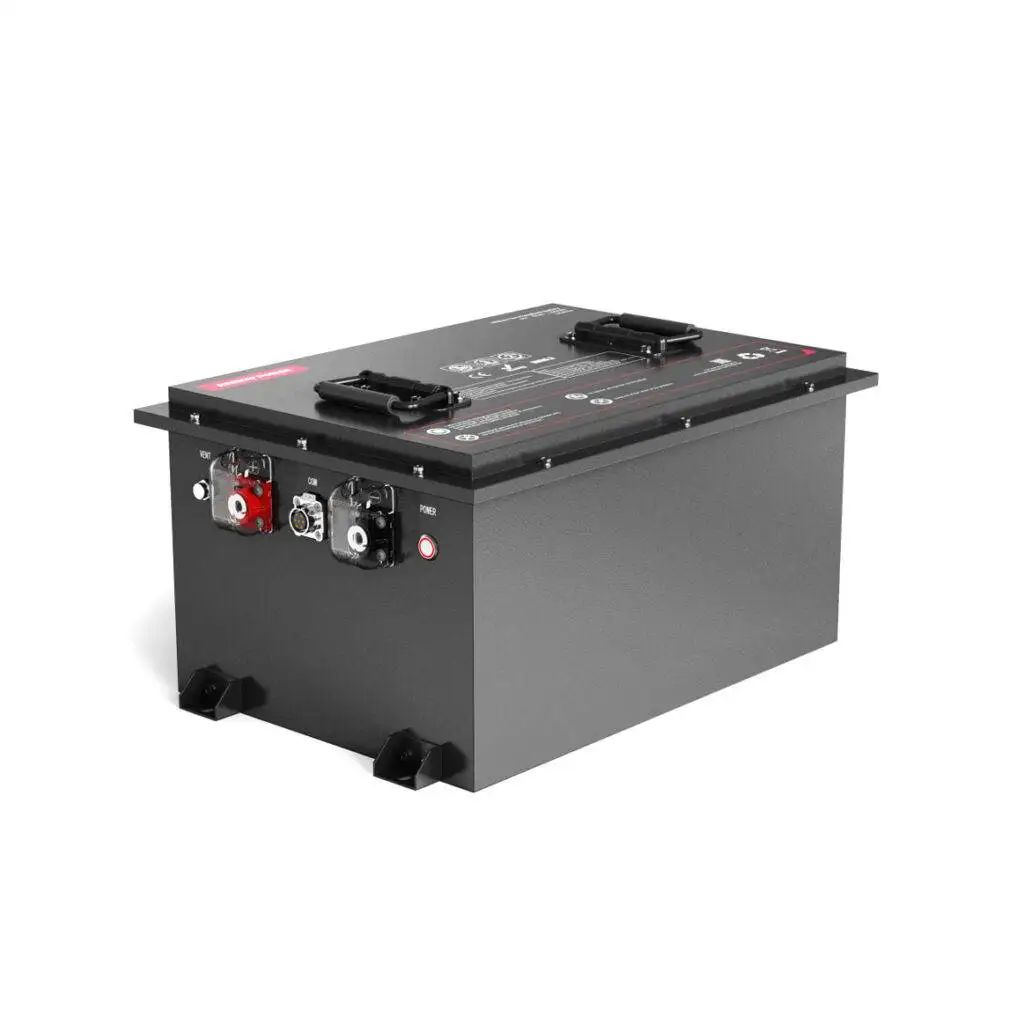
Durable golf cart batteries are transforming how golfers, resorts, and maintenance fleets manage mobility, providing longer runtime, lower maintenance, and higher efficiency compared to conventional options. As electric vehicles dominate leisure and utility sectors, choosing the right battery solution directly determines performance and total ownership cost.
How Is the Current Industry Facing Efficiency and Sustainability Pressures?
The global golf cart market exceeded USD 2.5 billion in 2025 and is projected to grow steadily, with electric models accounting for over 60% of total sales due to sustainability mandates and noise restrictions across golf courses and resorts. However, according to research from MarketsandMarkets, escalating energy and replacement costs are eroding profitability for operators relying on outdated lead-acid systems.
Average battery replacements now account for up to 35% of total operation costs across golf facilities annually. At the same time, charging inefficiencies and limited cycle life lead to downtime, affecting productivity and guest experience.
End-users increasingly demand solutions that combine durability, extended life, and eco-efficiency—with global attention shifting toward lithium technology as the new standard.
What Are the Key Pain Points in Today’s Golf Cart Battery Landscape?
Frequent replacements: Traditional batteries often fail after 2–3 years, adding recurring costs and labor.
Inefficient energy density: Shorter range and inconsistent voltage output reduce performance under heavy loads.
Maintenance overload: Regular watering, corrosion cleaning, and equalization cycles consume hours weekly for fleet managers.
Environmental waste: Lead-acid batteries pose recycling and disposal challenges due to toxic materials.
These realities highlight the need for a more advanced battery technology designed for reliability, power, and long service life.
Why Are Traditional Lead-Acid Batteries No Longer Enough?
While lead-acid batteries have dominated the market for decades, their limitations are increasingly visible in modern operation contexts. They charge slowly, often require 6–8 hours for a full cycle, and lose significant capacity after 500–800 charge cycles. Additionally, their weight limits energy efficiency and payload capacity.
In contrast, newer lithium iron phosphate (LiFePO4) technologies—like those manufactured by Redway Battery—offer up to 4,000 charge cycles, drastically lowering long-term cost per mile.
Traditional solutions also underperform in fluctuating climates or steep terrains, where voltage drops can impair motor output—critical in resort or hilly course environments.
What Makes Redway Battery’s LiFePO4 Solution Stand Out?
Redway Battery, a leading OEM lithium battery manufacturer from Shenzhen, provides high-durability LiFePO4 battery packs purpose-built for golf cart fleets. With 13+ years of engineering expertise, the company delivers batteries that offer 3–5x longer lifespan, zero maintenance design, and efficient power delivery.
Each battery pack integrates an advanced Battery Management System (BMS) for safety against overcharge, deep discharge, and temperature imbalance, critical for high-use environments such as resorts or industrial campuses.
Which Advantages Differentiate Lithium vs. Traditional Batteries?
| Feature | Lead-Acid Battery | Redway LiFePO4 Battery |
|---|---|---|
| Cycle life | 500–800 cycles | 3,000–4,000+ cycles |
| Maintenance | Regular watering & cleaning | Maintenance-free |
| Charging time | 6–8 hours | 2–3 hours |
| Energy efficiency | ~70% | >95% |
| Weight | Heavy (~150 kg) | Lightweight (~60 kg) |
| Cost over 5 years | High due to replacements | Lower lifecycle cost |
For connected guidance and the next practical steps, use the Golf Cart Range and Performance: What the Battery Actually Decides.
How Can Users Integrate Redway Battery in Their Golf Carts?
Assessment Phase: Evaluate voltage (36V, 48V) and capacity needs based on cart model and range requirements.
Battery Selection: Choose matching Redway LiFePO4 modules optimized for load and speed preferences.
Installation Process: Replace old battery pack; integrate the BMS and ensure proper cable connections.
Testing and Calibration: Run initial cycles to verify voltage stability and charging performance.
Ongoing Monitoring: Utilize Redway’s data-driven dashboard or manual voltage checks for consistent reliability.
Who Can Benefit Most from Durable Golf Cart Batteries? (4 Case Scenarios)
1. Golf Resorts:
Problem: Frequent battery failures during peak hours.
Traditional: Lead-acid replacements every 2 years.
Result with Redway: 70% cost savings over five years through reduced downtime.
Benefit: Fewer service interruptions and improved guest satisfaction.
2. Industrial Complexes:
Problem: Heavy transport duties drain battery quickly.
Traditional: Short runtime and overheating.
Result with Redway: Extended operation hours and stable output.
Benefit: Increased productivity with zero maintenance.
3. Municipal Parks & Campuses:
Problem: Long routes and limited charging stations.
Traditional: Multiple daily charges needed.
Result with Redway: 2× range per charge.
Benefit: Reduced logistical complexity and extended patrol time.
4. Rental Cart Operators:
Problem: High turnover leading to frequent breakdowns.
Traditional: Maintenance overhead from acid corrosion.
Result with Redway: 4× battery life for consistent fleet uptime.
Benefit: More rentals per day with lower total cost of ownership.
What Future Trends Are Shaping the Golf Cart Energy Market?
The evolution toward smart, connected fleets will accelerate the demand for lithium technology. Predictive analytics, faster charging infrastructures, and eco-regulatory compliance will drive replacement of outdated batteries. Redway Battery already aligns with this future by producing customizable, IoT-enabled LiFePO4 systems built for greater efficiency and safety compliance.
As environmental standards tighten and leisure mobility electrifies, durability and sustainability will define competitiveness. Now is the moment to transition toward longer-lasting power solutions that deliver dependable energy and measurable ROI.
FAQ
1. Are lithium golf cart batteries worth the higher upfront cost?
Yes. The extended cycle life and reduced maintenance make them more cost-effective over a 5+ year lifespan.
2. Can existing carts switch from lead-acid to lithium?
Yes, most standard carts can retrofit with compatible Redway Battery modules.
3. How long do LiFePO4 golf cart batteries last?
Typically 3,000–4,000 cycles, translating to 8–10 years under normal use.
4. Does temperature affect lithium battery performance?
LiFePO4 cells perform reliably from -20°C to 60°C, ideal for diverse environments.
5. Who provides OEM/ODM customization for special fleet needs?
Redway Battery offers full OEM/ODM services with tailored engineering and production support.
Sources
MarketsandMarkets – Golf Cart Market Report 2025
Grand View Research – Electric Golf Cart Growth Statistics
International Energy Agency – Electric Mobility Outlook 2025
Battery University – Lithium vs Lead-Acid Technical Comparison
Redway Battery Official Website
