




REDWAY BATTERY / KNOWLEDGE
How Can Golf Cart Lithium Batteries with Integrated Multi-Layer Safety Protection Redefine the Future of Electric Mobility?
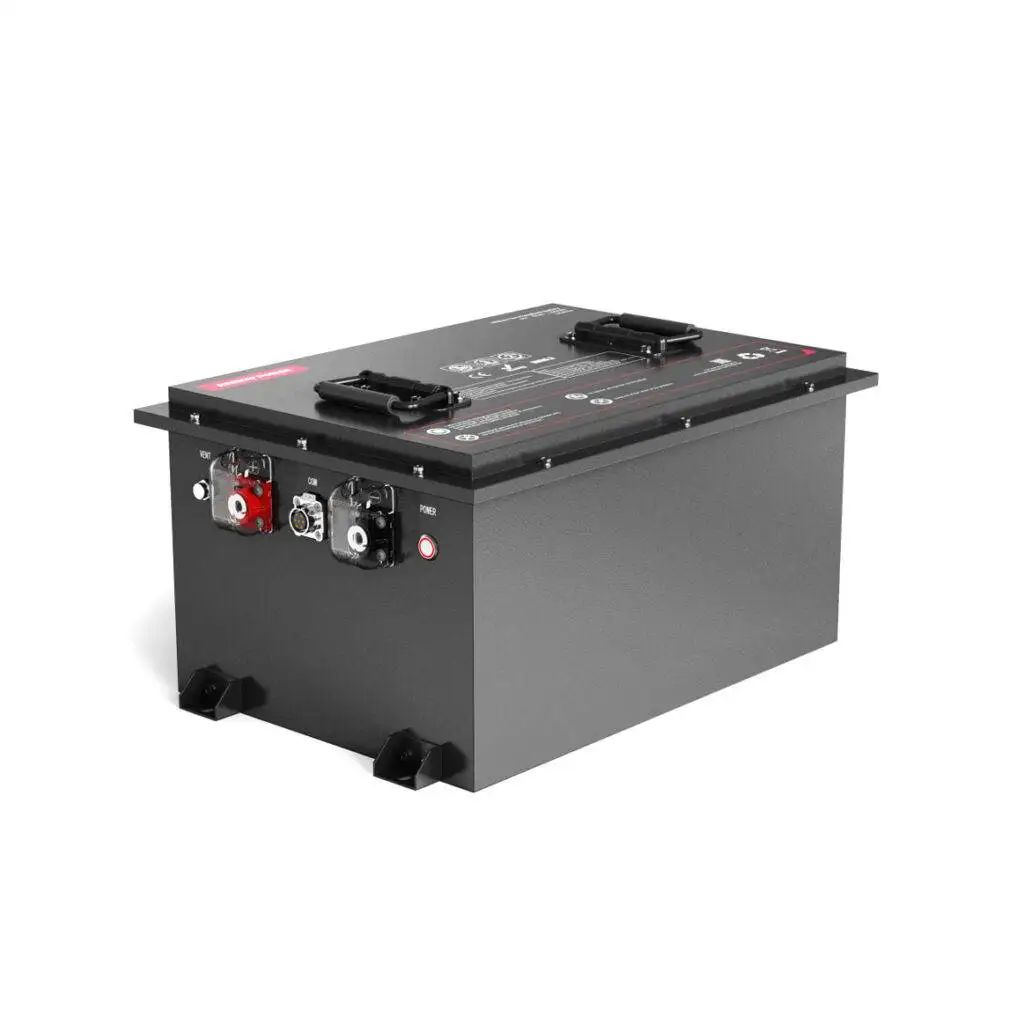
A new generation of golf cart energy systems is emerging—built for higher safety, longer lifespan, and smarter performance. Among them, lithium batteries with integrated multi-layer safety protection are setting the new industry benchmark by combining advanced chemistry, precise management systems, and robust engineering for unparalleled reliability.
How Is the Golf Cart Battery Industry Evolving and What Challenges Remain?
The global golf cart battery market is undergoing rapid transformation. According to Grand View Research, the market was valued at USD 1.4 billion in 2024 and is expected to grow at a CAGR of 8.5% through 2030. However, behind this growth lies an increasing pressure for efficiency, environmental compliance, and safety. Many golf courses, resorts, and private communities are turning to lithium-ion technology, yet concerns remain regarding overheating, fire risks, and performance degradation under continuous load.
Manufacturers face growing scrutiny as incidents involving poor-quality lithium batteries have led to costly maintenance and downtime. Data from the National Fire Protection Association indicates that over 35% of reported electric cart fires originate from inadequate cell management and faulty BMS designs. This highlights a growing need for integrated safety systems that address multiple risk layers, from thermal control to overcurrent protection.
For operators and fleet managers, the biggest pain points are inconsistent energy output, limited cycle life of traditional batteries, and high total cost of ownership. These challenges underscore the importance of safer, smarter energy solutions backed by dependable OEM expertise—like that of Redway Battery.
What Are the Shortcomings of Traditional Lead-Acid and Low-End Lithium Solutions?
Traditional lead-acid batteries, though common, fall short in energy density and cycling capability. They typically last only 2–3 years and deliver 50–60% efficiency after 500 cycles. Their heavy weight reduces vehicle range and performance, and regular water refilling and maintenance increase operational cost.
Lower-cost or unbranded lithium options may offer better range initially but often lack comprehensive safety mechanisms. Without multi-layer protection—such as temperature monitoring, short-circuit detection, or overcharge prevention—these batteries can deteriorate rapidly or, in extreme cases, pose safety hazards.
This gap between reliability and affordability is exactly where Redway Battery’s integrated safety design provides critical value to modern golf cart users.
How Does Integrated Multi-Layer Safety Protection Work in Golf Cart Lithium Batteries?
A lithium battery with multi-layer protection integrates both hardware and software safety mechanisms into its design. Redway Battery employs a multi-protection architecture combining advanced LiFePO4 chemistry with intelligent BMS (Battery Management System) technology.
Key safety features include:
Thermal protection layers: Prevent overheating by dynamically adjusting charge/discharge rates.
Cell-balancing control: Maintains uniform performance across all cells to extend battery life.
Overvoltage and overcurrent protection: Shields internal circuits during high-load operation.
Short-circuit and insulation monitoring: Ensures real-time fault detection and immediate shutdown.
Smart data analytics: Provides remote health diagnostics to anticipate maintenance needs.
This architecture ensures that golf carts powered by Redway Battery systems maintain stable performance even under high demand or fluctuating temperature conditions.
Which Advantages Does the New Technology Offer Over Conventional Systems?
| Feature/Metric | Traditional Lead-Acid | Redway Lithium with Multi-Layer Protection |
|---|---|---|
| Safety Assurance | Basic fuse-based | Intelligent multi-layer protection (hardware + software) |
| Lifespan | 500 cycles | 4000–6000 cycles |
| Maintenance | High (manual watering, corrosion cleaning) | Low (no maintenance required) |
| Weight | Heavy (reduces efficiency) | Lightweight (increases range by 30–40%) |
| Charge Time | 6–8 hours | 1–2 hours |
| Temperature Tolerance | Limited (best at 20–25°C) | Stable up to 60°C |
| Cost of Ownership | High over time | Lower TCO with extended lifespan |
For the surrounding sizing, selection, installation and maintenance decisions, continue with the Lithium Golf Cart Battery Care: Charging, Storage and Safety.
How Can Fleet Managers Implement This Solution Step by Step?
Assessment Phase: Evaluate current battery setups, golf cart load profiles, and operating hours.
Customization & Sizing: Redway Battery engineers design a tailor-made LiFePO4 pack for optimal capacity and voltage.
Integration & Installation: Plug-and-play modules simplify replacement of older batteries without major wiring changes.
Calibration & BMS Setup: Advanced BMS is configured to communicate with controller systems for accurate monitoring.
Ongoing Support: Remote data access and 24/7 service ensure long-term operational stability.
Who Benefits Most from These Batteries? Four Real-World Use Cases
1. Golf Resorts:
Problem: Frequent battery failures during peak season causing service delays.
Traditional practice: Lead-acid systems required frequent replacements.
Outcome with Redway Battery: Reduced replacements by 70%, extended runtime to 8 hours per charge.
Key benefit: Improved customer experience and operational uptime.
2. Residential Communities:
Problem: Inconsistent charging quality and safety hazards from old units.
Traditional practice: Mixed battery brands caused imbalance and shorter lifecycle.
Outcome with Redway Battery: Integrated multi-layer protection stabilized voltage and cut energy waste by 30%.
Key benefit: Enhanced safety and reliability for shared golf carts.
3. Industrial Campuses:
Problem: Safety audits failed due to overheating risks of outdated batteries.
Traditional practice: Basic BMS units lacked temperature sensors.
Outcome with Redway Battery: Certified safety design (ISO 9001:2015) passed all inspections.
Key benefit: Compliance with internal safety policies and insurance requirements.
4. Rental Fleets:
Problem: High downtime from battery swaps.
Traditional practice: Frequent manual checks and inconsistent charging.
Outcome with Redway Battery: Fleet monitoring via smart BMS reduced downtime by 40%.
Key benefit: Higher utilization rates and lower total maintenance cost.
Why Is Now the Right Time to Upgrade to Safer Lithium Batteries?
The shift to intelligent, safety-driven lithium power is inevitable. As regulatory bodies tighten control and operational efficiency becomes a competitive differentiator, outdated battery systems can no longer meet the evolving expectations of golf cart operators.
Redway Battery’s multi-layer protection architecture not only safeguards equipment but also ensures business continuity through superior cycle life and adaptive intelligence. With growing environmental and performance demands, transitioning now positions operators ahead of future compliance and sustainability curves.
FAQ
1. Are multi-layer safety lithium batteries more expensive than standard ones?
While initial costs are slightly higher, overall lifetime value is greater due to longer lifespan and reduced maintenance.
2. Can these batteries be retrofitted into existing golf carts?
Yes. Redway Battery designs packs compatible with most standard 36V and 48V golf cart platforms.
3. How long do Redway lithium batteries last compared to lead-acid?
Typically 4–6 times longer, achieving up to 6000 cycles under optimal use.
4. Does the integrated safety system require extra maintenance?
No additional manual upkeep is needed. The BMS automates all protective functions.
5. What warranty does Redway Battery offer?
Redway provides up to 5 years of warranty with full OEM and ODM support backed by 24/7 service.
