




REDWAY BATTERY / KNOWLEDGE
How Can OEM Golf Cart Batteries Transform Performance and Reduce Maintenance Costs?
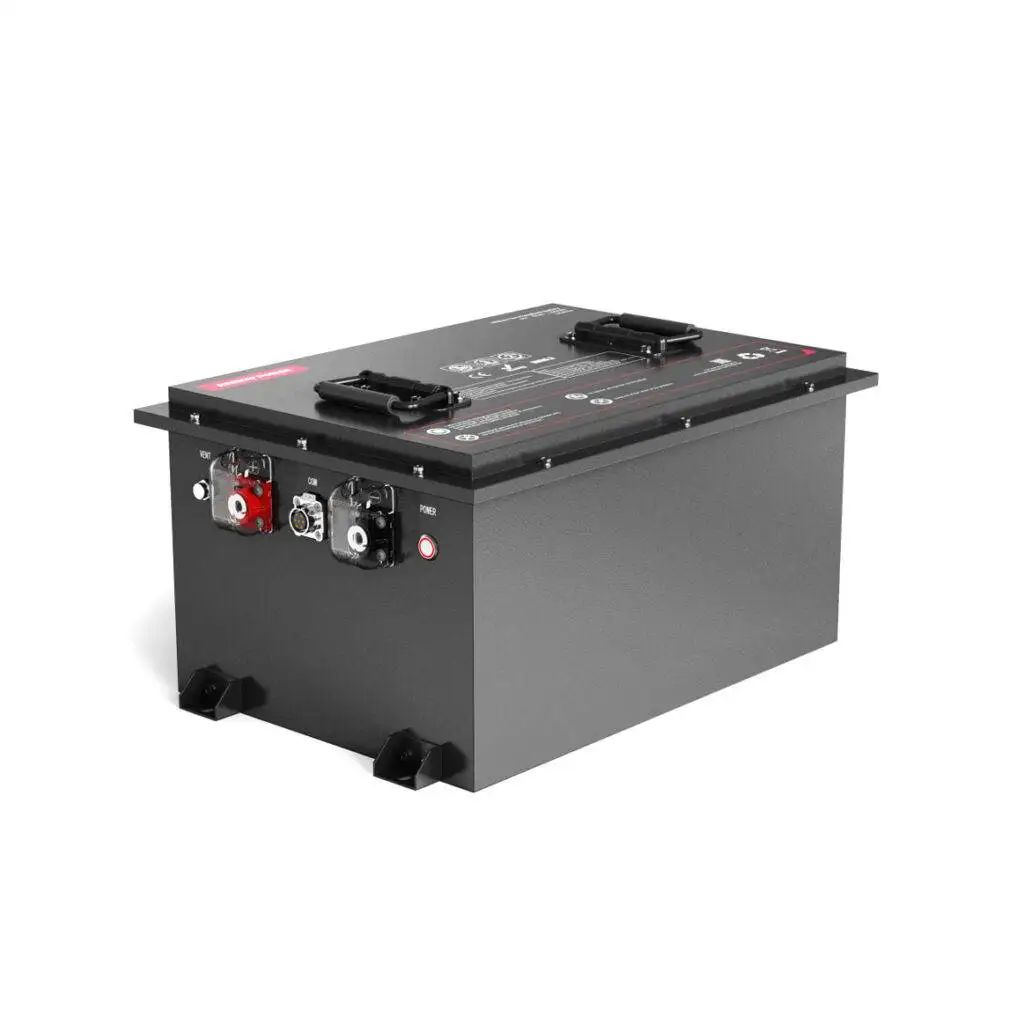
As demand for sustainable mobility grows, OEM golf cart batteries are redefining electric driving efficiency and total cost of ownership. Leading manufacturers like Redway Battery are delivering lithium-based solutions that extend lifespan, lower charging costs, and enhance safety for both commercial and recreational golf cart fleets.
How Is the Golf Cart Battery Market Evolving and What Challenges Persist?
The global golf cart battery market reached an estimated value of USD 1.3 billion in 2024 and is projected to exceed USD 2.1 billion by 2030, driven by golf tourism, residential communities, and electrification trends. However, about 65% of operational golf carts still rely on outdated lead-acid batteries, which require frequent maintenance and provide limited energy density. According to the National Golf Foundation, the number of electric golf carts in the U.S. continues to rise annually, but battery reliability and charging efficiency remain top concerns among operators. Rising energy costs and sustainability mandates also push golf resorts and fleet owners to adopt greener battery technologies that can deliver consistent, long-term performance.
What Pain Points Are Operators Facing with Current Battery Systems?
Operators often struggle with short battery lifespans (typically 2–3 years), repetitive charging cycles, and downtime caused by inconsistent performance. Lead-acid batteries are prone to sulfation, high self-discharge, and environmental leakage issues that increase maintenance costs. Moreover, battery replacements and water refills interrupt daily operations, while inefficiencies in energy output degrade the driving experience. These issues point directly to the need for an OEM-grade, LiFePO4-based transformation.
Why Are Traditional Golf Cart Batteries Falling Behind?
Traditional lead-acid batteries dominate due to lower upfront costs, but they conceal higher lifecycle expenses. Their specific energy ranges only between 30–40 Wh/kg, compared to over 120 Wh/kg for lithium iron phosphate (LiFePO4) solutions. Lead-acid batteries also lose about 20% of capacity during deep discharges, whereas lithium cells maintain more than 95% efficiency. Over a 5-year ownership period, fleets often spend 30–40% more on replacements and labor due to the limitations of conventional designs. Temperature sensitivity and slow charging make them unsuitable for modern, high-performance golf operations.
How Does Redway Battery Offer a Better OEM Solution?
Redway Battery, a leading OEM lithium battery manufacturer from Shenzhen, provides tailored LiFePO4 battery systems for golf carts, ensuring high capacity, safety, and durability. Each Redway OEM battery pack integrates advanced BMS (Battery Management System) technology to monitor cell balance, prevent overcharge, and extend cycle life to 4000+ cycles. The company’s ISO 9001:2015-certified production facilities and automated MES systems enable precise quality control and customization for various golf cart brands. By replacing legacy systems with Redway’s lithium solution, customers can cut maintenance downtime by up to 60% and save up to 50% on total lifecycle costs.
What Are the Key Differences Between Traditional and Redway OEM Solutions?
| Feature | Lead-Acid Battery | Redway OEM LiFePO4 Battery |
|---|---|---|
| Energy Density | 30–40 Wh/kg | 120–150 Wh/kg |
| Cycle Life | 500–800 cycles | 4000+ cycles |
| Maintenance | Frequent water refill and cleaning | Maintenance-free |
| Charging Time | 6–8 hours | 2–3 hours |
| Operating Safety | Risk of acid leakage | Full BMS protection |
| Lifecycle Cost | High due to replacements | 40–50% lower overall |
This topic belongs to the wider Golf Cart Battery Prices: What You Pay and Why, which brings the related decisions and practical checks together.
How Can Businesses Implement the Redway OEM Battery Solution?
Assessment and Customization: Evaluate fleet voltage, current demand, and intended usage cycles to configure the ideal LiFePO4 module size.
OEM Integration: Redway engineers design and produce a fully compatible battery pack tailored to the client’s golf cart model.
Installation and Calibration: The pack is installed with smart BMS settings to optimize performance and safety.
Training and Operation: Staff receive simple battery management training—no water refilling or acid handling needed.
Performance Monitoring: Real-time health checks through Redway’s monitoring system track charge, voltage, and temperature data.
Which User Scenarios Demonstrate the Benefits of Redway’s OEM Solution?
1. Golf Course Fleets
Problem: Frequent downtime and high maintenance costs.
Traditional: Lead-acid batteries required weekly fluid checks.
After Redway: Charging time reduced by 50%, operating hours extended by 35%, and labor costs declined notably.
Key Benefit: 30% increase in overall fleet availability.
2. Residential Community Mobility Carts
Problem: Residents complained of range anxiety.
Traditional: Vehicles ran only up to 20 km per charge.
After Redway: Driving range improved to 45 km with consistent voltage output.
Key Benefit: Greater user satisfaction and fewer charging complaints.
3. Industrial Campus Transportation
Problem: Continuous use led to rapid capacity degradation.
Traditional: Battery replacements were required every 18 months.
After Redway: Redway’s OEM lithium batteries maintained over 90% capacity after 3 years.
Key Benefit: Lower total cost of ownership and improved uptime.
4. Golf Cart Rental Services
Problem: High maintenance reduced profitability.
Traditional: Batteries needed excessive manual cleaning.
After Redway: Maintenance-free operation allowed scaling fleet size by 20% without extra manpower.
Key Benefit: Higher ROI from extended usage and reduced maintenance delays.
What Future Trends Will Shape the Golf Cart Battery Market?
The next generation of golf cart batteries will center on smart energy analytics, wireless diagnostics, and integrated solar-ready systems. By 2030, more than 75% of all new golf carts are expected to use lithium-based systems, driven by sustainability and safety standards. OEM manufacturers like Redway Battery are leading this transition, enabling smarter fleet management through data integration and modular LiFePO4 architecture. In an era of green mobility, adopting Redway’s technology today ensures competitiveness tomorrow.
FAQ
1. Why are LiFePO4 batteries better for golf carts?
They deliver longer lifespan, higher energy density, and virtually zero maintenance.
2. Can Redway Battery customize packs for specific cart brands?
Yes, Redway provides full OEM/ODM customization for multiple voltage and capacity requirements.
3. How long does a Redway OEM battery last?
Typically over 4000 cycles—four to five times longer than a lead-acid equivalent.
4. Is the transition from lead-acid to lithium complicated?
No. Redway’s OEM systems are designed for plug-and-play integration with minimal retrofitting.
5. Does Redway offer global support?
Yes. With 24/7 after-sales and global logistics, Redway supports clients across North America, Europe, and Asia.
Sources
Grand View Research: “Golf Cart Battery Market Report 2024–2030”
National Golf Foundation: “Golf Industry Report 2024”
Battery University: “Comparing LiFePO4 and Lead-Acid Battery Performance”
International Energy Agency (IEA): “Global Electric Mobility Outlook 2024”
McKinsey & Company: “Electrification of Lightweight Vehicles 2025 Forecast”
