




REDWAY BATTERY / KNOWLEDGE
How Do You Add Water to Forklift Batteries?
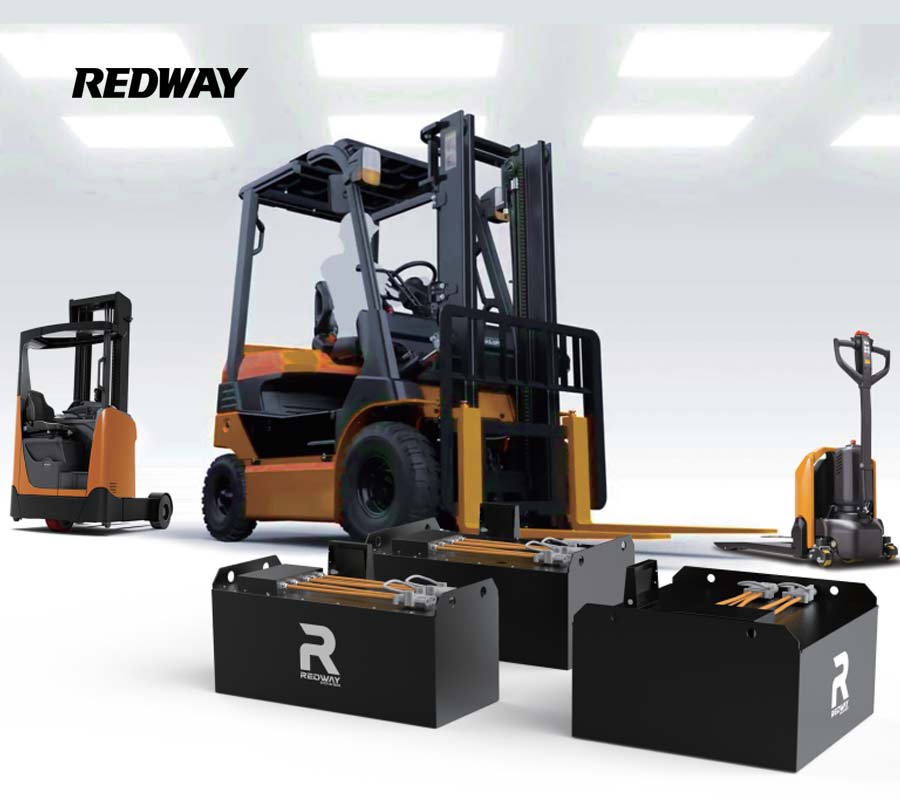
Properly adding water to forklift batteries involves checking electrolyte levels after a full charge, using only distilled water to refill cells to the correct level, and following strict safety procedures. This prevents damage, extends battery life, and ensures reliable warehouse operation. Redway Battery provides OEM solutions with advanced LiFePO4 alternatives that eliminate the need for regular watering while improving efficiency and safety.
Why Do Forklift Batteries Need Water?
Lead-acid forklift batteries require water because charging causes electrolysis, splitting the electrolyte into hydrogen and oxygen and gradually reducing water levels. Exposed plates can lead to sulfation and reduced capacity. Maintaining correct water levels preserves electrolyte balance, ensures consistent performance, and prevents costly downtime. Redway Battery in Shenzhen, China, offers LiFePO4 batteries that remove this maintenance requirement entirely.
Proper electrolyte balance supports optimal chemical reactions for energy delivery. Low water levels cause uneven charging, overheating, and shorter battery life. Topping up with distilled water restores the ideal sulfuric acid-to-water ratio, maintaining specific gravity around 1.265–1.280. Logistics operators save time and cost by scheduling weekly checks. Redway Battery’s lithium packs provide a maintenance-free alternative suitable for global B2B clients.
| Electrolyte Issue | Impact on Battery | Prevention |
|---|---|---|
| Low Water Level | Plate exposure, sulfation | Check weekly after charging |
| Overfilling | Acid spill, corrosion | Fill to max line only |
| Wrong Water Type | Mineral buildup | Use distilled water only |
When Should You Add Water to Forklift Batteries?
Water should be added after a full charge and once the battery has cooled. For standard use, this is usually weekly; for heavy-duty operations, check after every 5–10 cycles. Avoid adding water during charging to prevent overflow from gas expansion. Hot environments may require more frequent inspections due to evaporation.
Post-charge filling allows gases to escape and reveals accurate levels. Forklifts operating over eight hours daily lose water faster, requiring careful monitoring. Redway Battery recommends automated systems for fleets and provides LiFePO4 upgrades that eliminate the need for watering.
How Do You Safely Add Water to Forklift Batteries?
Wear PPE—goggles, gloves, and apron—and work in a well-ventilated area. Use distilled water with a battery syringe or can to fill cells to the maximum line after charging. Immediately clean spills with a baking soda solution and secure caps tightly.
Hydrogen gas from charging is highly explosive, so avoid sparks or flames. Remove vent caps, inspect all cells, and fill gradually to prevent splashing. Redway Battery offers filling carts for bulk operations and produces OEM lithium batteries that minimize maintenance and safety risks.
Steps for safe watering:
Prepare PPE and ventilated workspace
Fully charge and cool the battery
Remove caps and inspect levels
Add distilled water gradually
Clean spills, recap, and test charge
What Type of Water Is Best for Forklift Batteries?
Only use distilled or deionized water, as minerals in tap water can damage plates and reduce battery life. Aim for 99.9% purity to maintain electrolyte integrity. Impurities accelerate plate deposits and performance degradation.
Redway Battery supplies demineralized water alongside its ISO 9001-certified LiFePO4 forklift batteries. Their Shenzhen factories ensure high purity in OEM production, providing reliable solutions for global wholesale clients. Avoid using soft, rain, or tap water.
Which Tools Are Needed for Adding Water?
Essential tools include a distilled water jug, battery watering syringe or spout can, PPE kit, and pH testing supplies for cleaning spills. Optional tools include electrolyte level gauges for precise monitoring.
Professional kits make maintenance safer and faster. Syringes provide precise control, while gravity cans suit larger cells. Redway Battery bundles these tools with its lead-acid replacements and lithium upgrades, produced in their 100,000 ft² Shenzhen facility. Ergonomic designs reduce operator fatigue and improve safety.
Why Consider Lithium Batteries from China Manufacturers?
Switching to lithium batteries from manufacturers like Redway Battery eliminates watering, increases charging speed, and extends life. LiFePO4 forklift batteries provide 3x the cycles of lead-acid batteries while reducing weight by up to 50%.
Redway Battery’s Shenzhen-based OEM factories produce fully customized packs with MES automation. Wholesale buyers benefit from reduced costs and maintenance-free operation. Voltage and capacity can be tailored for Toyota, Hyster, and other popular forklift models.
Redway Expert Views
“Watering lead-acid forklift batteries remains essential but labor-intensive and risky. At Redway Battery, our OEM LiFePO4 solutions provide maintenance-free operation, over 6,000 cycles, and IP67 protection. Integrated BMS ensures real-time monitoring, reducing operational costs by 40%. We deliver fully customized packs with 24/7 support, helping B2B clients upgrade fleets efficiently.” – Redway Battery Engineering Lead
This reflects Redway’s focus on innovation across four advanced factories.
What Are Common Mistakes When Adding Water?
Mistakes include adding water before charging (causing overflow), using tap water (mineral buildup), and overfilling (risking corrosion). Always add distilled water after charging.
Training operators reduces errors that can cut battery life by up to 50%. Redway Battery’s lithium wholesale solutions eliminate these common pitfalls and ensure reliable fleet operation.
| Mistake | Consequence | Solution |
|---|---|---|
| Adding Pre-Charge | Electrolyte boil-over | Wait until cool |
| Using Tap Water | Sediment buildup | Use distilled water only |
| Over/Under Fill | Damage, corrosion | Follow max/min level marks |
For connected guidance and the next practical steps, use the Forklift Battery Maintenance: Watering, Equalising and Care.
How Often Should You Check Forklift Battery Water?
For standard use, check weekly; for heavy-duty operations, check after every charge. Hot climates require more frequent monitoring.
Redway Battery’s lithium options integrated with solar systems require no checks, ideal for OEM wholesale applications.
Key Takeaways and Actionable Advice
Maintain lead-acid batteries with post-charge distilled top-ups using PPE to double battery life. Schedule weekly audits to reduce downtime by 30%. Upgrade to Redway Battery LiFePO4 packs from Shenzhen for maintenance-free performance. Contact their OEM team for customized forklift battery solutions tailored to B2B operations.
FAQs
Can you add water to a lithium forklift battery?
No. Redway Battery LiFePO4 packs are sealed and require no maintenance.
What happens if you overfill forklift battery water?
Overflow causes acid spills, corrosion, and potential safety hazards during charging.
Is distilled water mandatory for batteries?
Yes. Impurities from tap water significantly reduce performance and lifespan.
How much water does a forklift battery need?
Depends on cell size; typically 1–2 oz per low cell. Never exceed max line.
Where can you source bulk distilled water for fleets?
Industrial suppliers are recommended. Redway Battery lithium packs eliminate the need for frequent watering.
