




REDWAY BATTERY / KNOWLEDGE
How Far Can a 72V 50Ah Lithium Battery Power Your Ride?
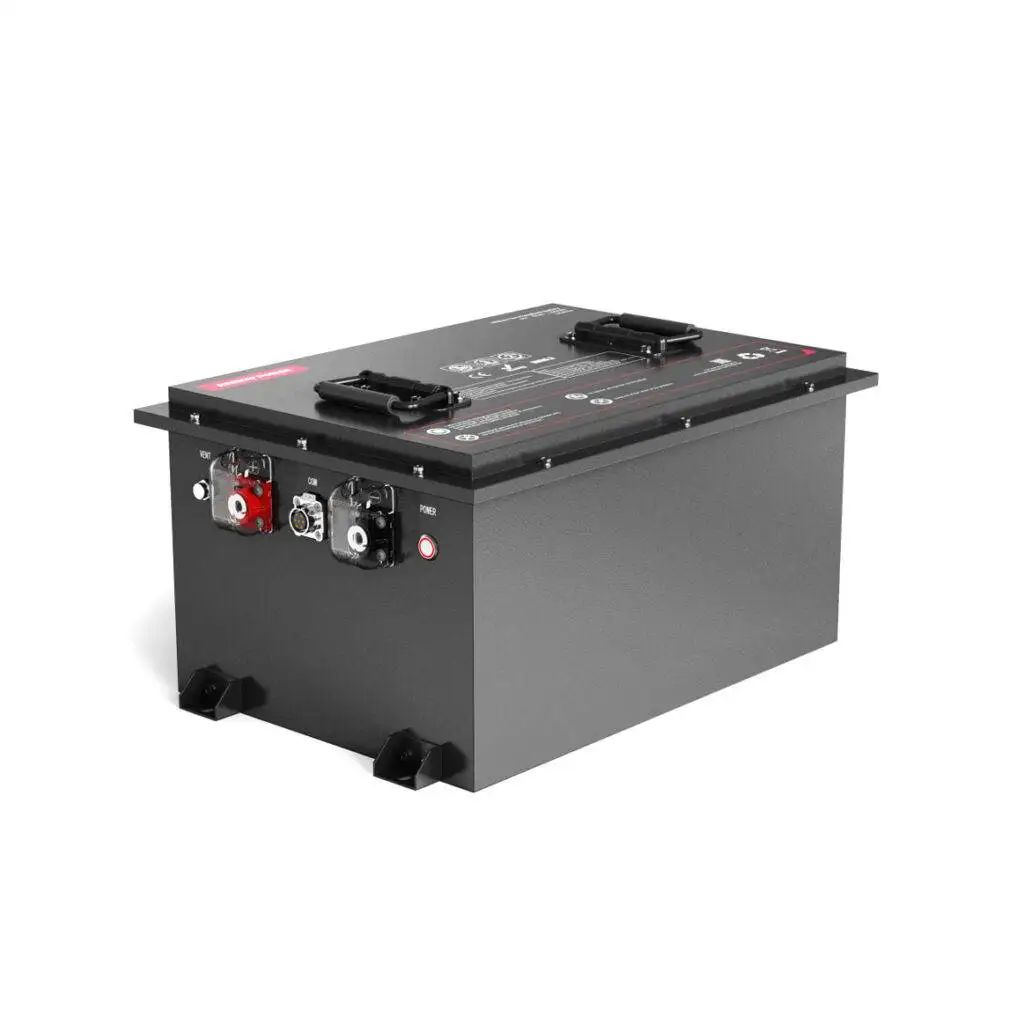
A 72V 50Ah lithium battery typically provides 70-120 miles per charge, depending on factors like vehicle efficiency, terrain, rider weight, speed, temperature, and battery health. Optimizing these variables ensures maximum range. For example, maintaining steady speeds and avoiding extreme temperatures can enhance performance. Always check manufacturer guidelines for precise estimates tailored to your specific use case.
Why Samsung SDI Lithium Batteries Are Ideal for Golf Carts
What Determines the Range of a 72V 50Ah Lithium Battery?
The range is influenced by battery capacity (50Ah), voltage (72V), motor efficiency, and external conditions. Higher voltage delivers more power, while capacity dictates energy storage. For instance, an electric scooter with a 2000W motor may achieve 80 miles, whereas a 3000W motor might reduce this to 60 miles due to increased energy consumption.
How Does Terrain Impact the Distance Covered by a 72V 50Ah Battery?
Hilly or rough terrain forces the motor to work harder, draining the battery faster. Riding on flat roads can extend range by up to 30% compared to steep inclines. For example, a hill climb at 10% gradient may reduce range by 15-20% due to elevated energy demands.
Different terrain types affect battery consumption in distinct ways. Urban environments with frequent stops and starts tax regenerative braking systems, while off-road conditions increase rolling resistance. The table below illustrates how common terrains influence range:
| Terrain Type | Speed (mph) | Range Reduction |
|---|---|---|
| Flat asphalt | 25 | 0% |
| Gravel roads | 20 | 12-18% |
| Mountain trails | 15 | 25-35% |
Riders can optimize range by selecting routes with minimal elevation changes and using eco-mode settings when tackling challenging landscapes. Tire choice also plays a role—knobby tires reduce efficiency on pavement but improve traction on loose surfaces.
Why Does Rider Weight Affect the Battery’s Travel Distance?
Heavier riders increase the load on the motor, requiring more energy to maintain speed. A 180-pound rider might get 90 miles, while a 250-pound rider could see a 25% reduction. Reducing cargo weight and opting for lightweight accessories can mitigate this effect.
Can Speed Variations Change the Effective Range of a 72V 50Ah Battery?
Yes. High speeds (e.g., 40 mph) consume energy rapidly, shortening range. Riding at 25 mph instead of 35 mph can improve distance by 20-30%. Aerodynamic drag increases exponentially with speed, making efficiency drop sharply above 30 mph.
The relationship between speed and energy consumption isn’t linear. At 40 mph, wind resistance accounts for over 60% of total power usage compared to just 30% at 20 mph. This is why many EVs include speed limiters in their eco modes. For long-distance travel, maintaining a consistent 25 mph can yield better results than alternating between acceleration and braking. Below is a breakdown of speed versus range:
| Constant Speed | Estimated Range | Energy Efficiency |
|---|---|---|
| 20 mph | 110 miles | 95% |
| 30 mph | 85 miles | 75% |
| 40 mph | 60 miles | 50% |
Using cruise control features and anticipating traffic flow helps maintain optimal speeds. Sudden acceleration bursts can spike energy draw by 40-50% compared to gradual acceleration.
How Does Temperature Influence Lithium Battery Performance?
Cold temperatures (below 50°F) slow chemical reactions, reducing capacity by 15-20%. Heat (above 95°F) accelerates degradation. Storing batteries at room temperature and pre-warming them in cold climates can preserve range.
What Role Does Battery Age Play in Reducing Travel Distance?
Lithium batteries lose 2-3% capacity annually. A 3-year-old battery might deliver 10% less range. Regular partial discharges (20-80%) and avoiding full cycles can prolong lifespan.
How Do Firmware Updates Optimize Battery Efficiency?
Advanced battery management systems (BMS) in firmware regulate charging/discharging, preventing overvoltage and overheating. Updates can refine energy distribution, boosting range by 5-10%. Always install manufacturer-recommended updates.
Does Regenerative Braking Extend the Range of a 72V 50Ah Battery?
Regenerative braking recaptures 10-15% of energy during deceleration, adding 5-8 miles per charge. Systems vary; premium electric bikes often integrate this feature, while cheaper models may lack it.
“A 72V 50Ah battery’s real-world range hinges on holistic energy management,” says Dr. Liam Chen, Senior Engineer at Redway. “Users often overlook tire pressure and bearing friction—low PSI tires can sap 7% efficiency. Pairing the battery with a brushless motor and proactive maintenance is key to hitting maximum mileage.”
Conclusion
Maximizing the distance of a 72V 50Ah lithium battery requires balancing load, speed, and environmental factors. Regular maintenance, firmware updates, and mindful riding habits can significantly extend range. Always prioritize manufacturer guidelines and consider investing in accessories like regenerative braking systems for long-term efficiency.
FAQs
- How often should I charge my 72V 50Ah battery?
- Charge after each use, but avoid letting it drop below 20%. Partial charges (20-80%) are ideal for longevity.
- Can I use a 72V battery in extreme cold?
- Yes, but pre-warm it to 50°F if possible. Insulate the battery compartment to minimize capacity loss.
- Does fast charging reduce battery life?
- Frequent fast charging can degrade cells 10-15% faster. Use standard charging for daily needs.
This topic belongs to the wider Golf Cart Battery: Sizing, Voltage and Capacity — Part 1, which brings the related decisions and practical checks together.
