




REDWAY BATTERY / KNOWLEDGE
How Far Can A Golf Cart Go On A Full Charge?
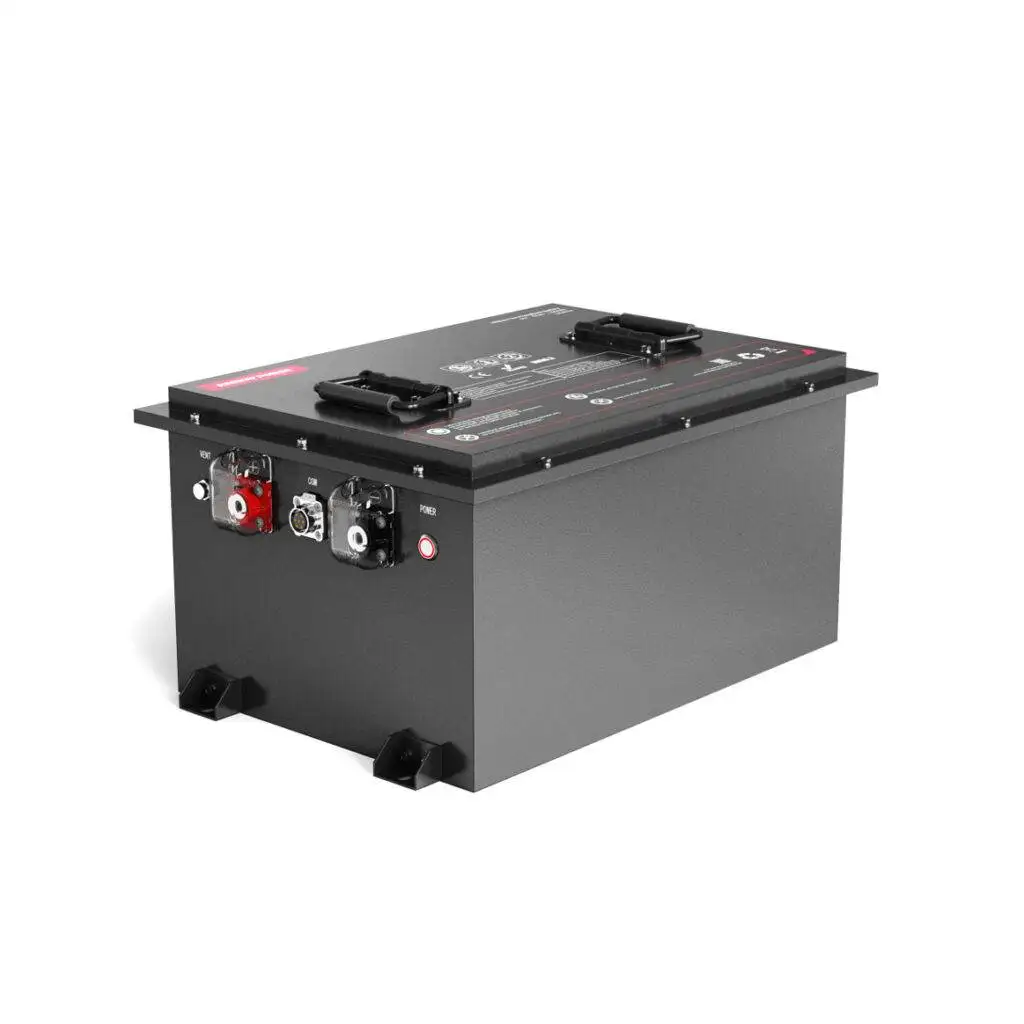
The range of a golf cart on a full charge typically spans 40–150 kilometers, depending on battery chemistry, voltage, and load conditions. Lithium-ion batteries (e.g., 48V LiFePO4) deliver 72–96 km per charge under moderate loads, while lead-acid variants offer 40–65 km. Higher-voltage systems (72V) with large-capacity cells (200Ah+) extend range to 130–150 km in flat terrain. Terrain, passenger count, and driving speed reduce real-world distance by 20–40%.
Best 6V Golf Cart Batteries at Costco
What factors determine a golf cart’s maximum range?
Battery voltage and capacity are primary range determinants. A 48V 100Ah lithium pack stores 4.8kWh energy—enough for 70–90 km. Weight distribution and controller efficiency further optimize mileage. Hilly terrain or frequent stops can slash range by 35% versus flat courses.
Lithium batteries outperform lead-acid with 95% depth of discharge versus 50% for lead-acid. For example, a Trojan 48V LiFePO4 system delivers 45–60 miles (72–96 km) on flat terrain. But what happens when carrying four passengers uphill? Aerodynamic drag increases exponentially above 24 km/h, cutting range by 25% at 30 km/h speeds.
How does battery chemistry affect driving distance?
LiFePO4 cells provide 20–30% more usable energy than lead-acid equivalents. A 48V 150Ah lithium pack offers 7.2kWh usable energy, enabling 100–120 km range. Comparatively, lead-acid’s 50% DoD limit reduces its 150Ah system to just 3.6kWh—enough for only 50–65 km.
| Chemistry | Energy Density (Wh/kg) | Cycle Life |
|---|---|---|
| LiFePO4 | 90–110 | 3,000+ |
| NMC | 150–200 | 1,200 |
| Lead-Acid | 30–40 | 400 |
Thermal management also plays a role—lithium maintains 95% capacity at 0°C, while lead-acid drops to 70%. Consider an 8-seat golf cart with 3500W motor: lithium batteries sustain 80 km range even with full load, whereas lead-acid struggles beyond 45 km.
Can terrain significantly impact battery range?
Elevation changes drastically affect energy consumption. Climbing a 15% grade requires 3× more power than flat cruising. A 48V system consuming 800W on level ground needs 2,400W uphill—halving potential range. Conversely, regenerative braking on descents recovers 10–15% energy in advanced lithium systems.
For coastal courses versus mountain resorts, range variance reaches 40%. Manufacturers often rate range on ideal terrain—real-world results require derating by altitude gains. Pro Tip: Use GPS apps to map elevation changes and multiply by 1.2–1.5 for route-specific range estimates.
Redway Battery Expert Insight
Interstate 6V Golf Cart Battery Price at Costco
FAQs
Yes—lithium batteries lose 10–15% capacity at -10°C, while lead-acid drops 30–40%. Precondition batteries at 15–25°C before use to minimize losses.
Can I mix old and new batteries?
Never mix chemistries or ages—imbalanced cells reduce range by 40% and risk premature failure. Always replace the full set.
For connected guidance and the next practical steps, use the Charging a Golf Cart Battery: Habits That Decide Pack Life.
