




REDWAY BATTERY / KNOWLEDGE
What Are Forklift Power Sources?
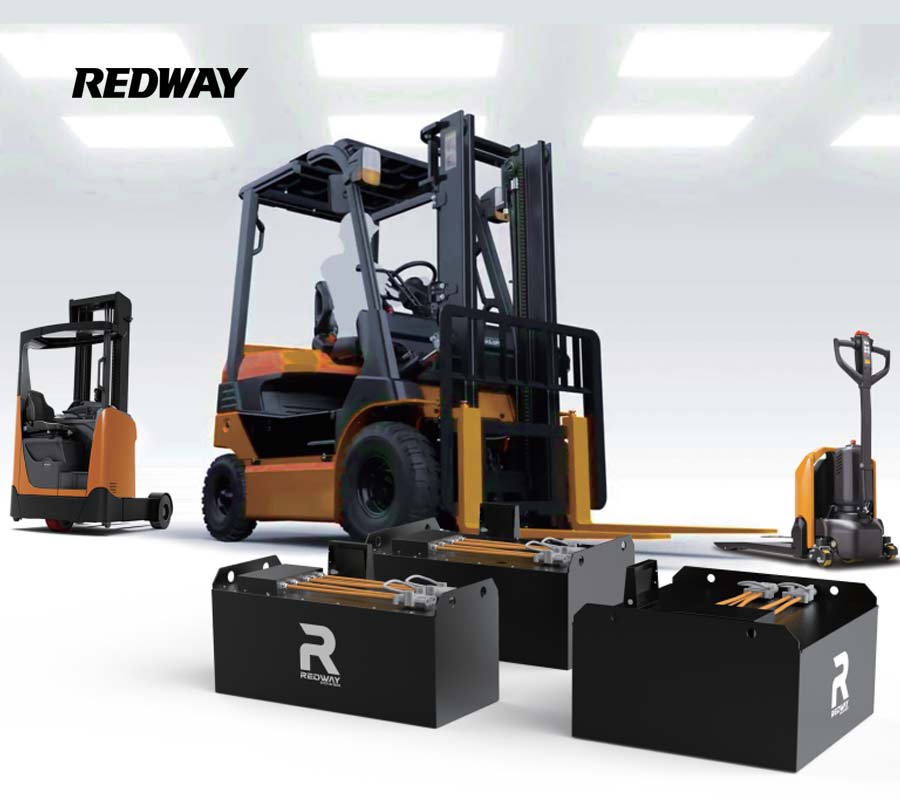
Forklift power sources encompass energy systems that propel material handling equipment, primarily including lead-acid batteries, lithium-ion batteries, internal combustion engines (ICE), and hydrogen fuel cells. Lead-acid remains common for low-cost durability, while lithium-ion dominates modern fleets with rapid charging and 3,000+ cycle lifespans. ICE models use LPG, diesel, or CNG for heavy outdoor workloads. Hydrogen fuel cells offer zero-emission solutions for high-throughput warehouses, refueling in minutes.
Forklift Lithium Battery Category
What are the primary forklift power sources?
Key power systems are lead-acid batteries, lithium-ion packs, internal combustion engines (LPG/diesel/CNG), and hydrogen fuel cells. Lead-acid provides affordable upfront costs but demands watering/equalizing. Lithium-ion excels in fast charging and lifespan, while ICE handles rugged outdoor tasks. Fuel cells thrive in emission-sensitive environments needing quick refueling. Pro Tip: Match power sources to duty cycles—lithium-ion for multi-shift operations reduces downtime by 40%.
Lead-acid batteries operate at 24V–80V, with 600–1,200 cycles at 80% depth of discharge. They require ventilation due to hydrogen off-gassing and weekly maintenance. In contrast, lithium-ion systems (LiFePO4/NMC) function at 24V–80V, achieving 3,000–5,000 cycles with minimal upkeep. ICE forklifts generate 50–100 HP using fuels like LPG, ideal for construction sites but emitting CO2. Hydrogen fuel cells combine compressed H2 tanks (350–700 bar) with PEM stacks, delivering 8–10 hours runtime. For example, a 48V 600Ah lithium pack powers 6–8 hours of heavy lifting, rechargeable during breaks. Why stick with lead-acid if lithium cuts energy costs by 30%? However, cold storage below -20°C favors ICE reliability.
How do lead-acid and lithium-ion forklift batteries compare?
Lead-acid offers lower initial costs ($3k–$5k) but higher lifetime expenses from replacements and maintenance. Lithium-ion (e.g., LiFePO4) costs 2x upfront ($6k–$10k) but lasts 3–4x longer with zero watering. Lithium charges 3x faster (1–2 hours vs. 8–10 hours) and handles partial cycles without sulfation damage. Pro Tip: Use lithium-ion for multi-shift operations—ROI improves with daily usage intensity.
Lead-acid batteries weigh 25–30% more than lithium equivalents due to lower energy density (30–50 Wh/kg vs. 100–265 Wh/kg). They also lose 15–20% capacity annually, requiring replacements every 3–5 years. Lithium-ion maintains 80% capacity after 3,000 cycles, lasting 7–10 years. Charging lead-acid demands 8–10 hours with cooldowns, while lithium supports opportunity charging (20–30 minute top-ups). A 24V 200Ah lead-acid battery provides ~4.8 kWh but only 3.8 kWh usable energy (80% DoD). Comparatively, a 24V 200Ah lithium pack delivers 4.8 kWh usable, adding 26% effective capacity. Ever wondered why warehouses are shifting to lithium? Faster charging alone can boost productivity by 20%.
| Feature | Lead-Acid | Lithium-Ion |
|---|---|---|
| Cycle Life | 600–1,200 | 3,000–5,000 |
| Charge Time | 8–10 hours | 1–2 hours |
| Lifetime Cost | $0.50–$0.70/kWh | $0.20–$0.30/kWh |
What distinguishes forklift batteries from automotive ones?
Forklift batteries prioritize deep-cycle endurance over cranking amps, using thicker plates for daily 80% depth of discharge. They’re rated for 1,200+ cycles vs. automotive’s 300–500. Forklift packs also have higher Ah capacity (200–800Ah vs. 50–100Ah) and modular designs for easy replacement. Pro Tip: Automotive batteries fail prematurely in forklifts—their thin plates warp under deep discharges.
Forklift batteries use robust lead-calcium or lithium iron phosphate chemistries to withstand 6–8 hours of continuous use. Voltage ranges differ too: forklifts require 24V–96V systems versus 12V–48V in EVs. Structural reinforcement prevents plate vibration damage during lifting. For instance, a 48V 300Ah forklift battery delivers 14.4 kWh—3x a Tesla Model 3’s 12V aux battery. What happens if you misuse automotive batteries? They’ll overheat and degrade within weeks under forklift loads.
48V 300Ah Lithium Forklift Battery
Redway Battery Expert Insight
FAQs
Yes, if voltage matches and the BMS communicates with the truck’s controller. Redway’s drop-in lithium kits include adapters and thermal sensors for safe upgrades.
How long do hydrogen fuel cells last in forklifts?
PEM stacks typically last 10,000–15,000 hours. Hydrogen tanks require recertification every 5 years, with refueling costs 30% lower than diesel per kWh.
This topic belongs to the wider Forklift Battery: Operation and Practical Guidance — Part 4, which brings the related decisions and practical checks together.
