




REDWAY BATTERY / KNOWLEDGE
What Are NAPA Golf Cart Batteries 6 Volt?
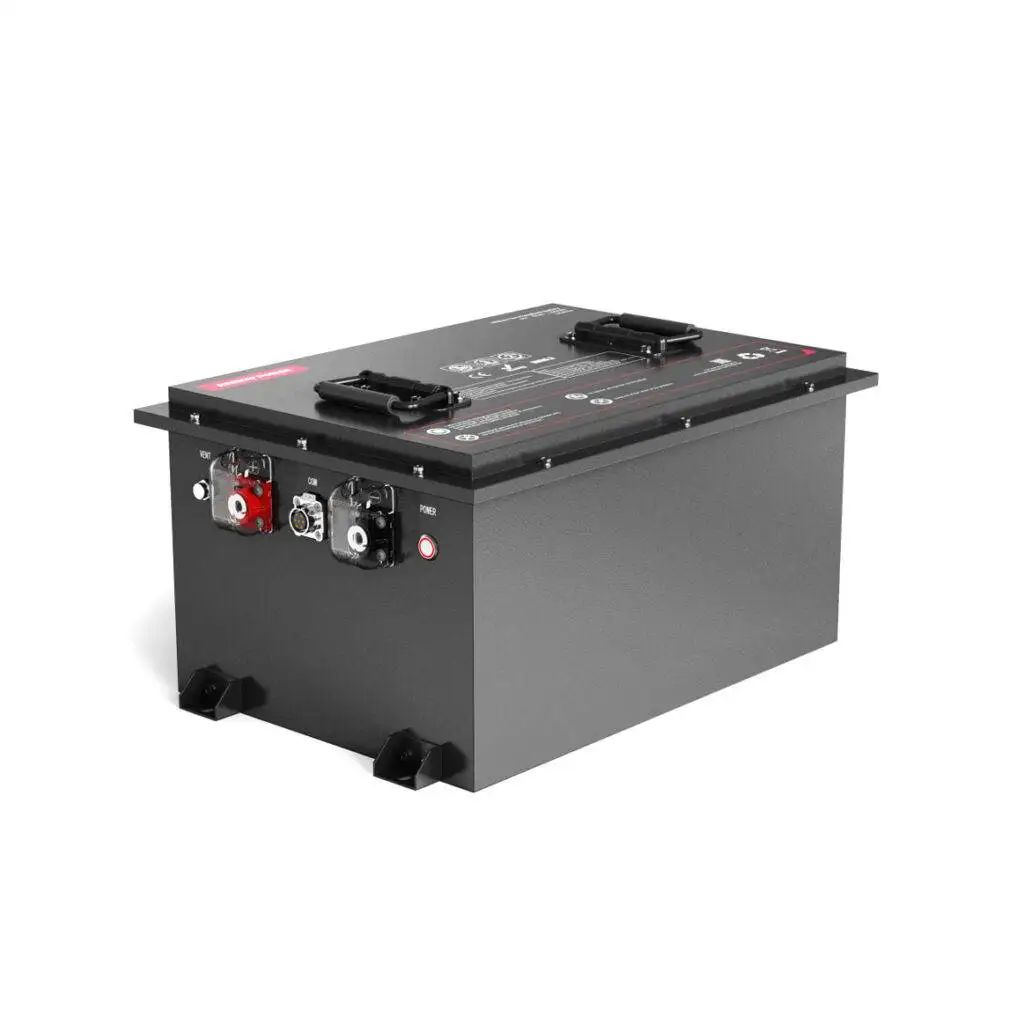
NAPA golf cart batteries in 6V configurations are deep-cycle lead-acid cells designed for sustained energy delivery in electric vehicles. These batteries prioritize durability, with capacities typically ranging from 210Ah to 420Ah, suited for multi-hour golf cart operation. Models like USL16HCXC2 utilize advanced plate designs for 1,200+ cycles at 50% depth-of-discharge, while T-105 variants offer cost-effective performance for light-duty applications.
Convert Your Golf Cart to Lithium Batteries
What distinguishes 6V NAPA golf cart batteries from standard automotive batteries?
6V NAPA golf cart batteries use thick lead plates and high-density electrolytes for deep-cycle performance. Unlike starter batteries that prioritize short bursts of power, they provide steady energy output through 150–200 discharge/recharge cycles annually.
Technical specs reveal plate thicknesses of 2.3–3.1mm (vs 1.5mm in auto batteries) and electrolyte specific gravity of 1.265–1.280. Pro Tip: Always maintain water levels ¼” above plates—low electrolyte accelerates sulfation. For example, a 6V 250Ah NAPA battery powering a 36V cart (six in series) typically lasts 5-7 years with weekly use, compared to 2-3 years for automotive-grade cells under similar loads.
| Feature | NAPA Golf Cart | Auto Battery |
|---|---|---|
| Cycle Life | 1,200 cycles | 300 cycles |
| Plate Thickness | 2.8mm | 1.6mm |
| Typical Ah | 210–250 | 45–70 |
How do capacity ratings affect golf cart performance?
Capacity (Ah) determines runtime—210Ahbatteries support ~14 miles per charge in standard carts, while 420Ah models double this range. Higher Ah correlates with thicker plates and longer lifespan, albeit with increased weight (63–68 lbs per 6V unit).
Voltage sag becomes critical below 20% charge: A 6V battery dipping to 5.2V under load indicates imminent shutdown. Pro Tip: Balance series connections—a weak cell in a 36V pack (six 6V batteries) reduces total capacity by 15-20%. For instance, mixing 225Ah and 210Ah batteries forces all cells to perform at 210Ah capacity, wasting the stronger unit’s potential.
What maintenance ensures optimal 6V battery lifespan?
Monthly equalization charges at 7.3–7.5V per battery dissolve sulfate crystals. Hydration checks every 15 cycles maintain electrolyte levels, using only distilled water to avoid mineral contamination.
Terminal cleaning with baking soda/water solution prevents resistance spikes—corrosion can increase voltage drop by 0.8V at 50A loads. For example, neglecting terminals on a 6V 250Ah battery might reduce effective capacity to 190Ah within six months. Pro Tip: Store batteries at 100% charge during off-seasons using maintenance chargers (0.5–2A trickle) to prevent sulfation.
| Maintenance Task | Frequency | Impact |
|---|---|---|
| Equalization | Monthly | +300 cycles |
| Water Refill | Every 15 cycles | Prevents dry-out |
| Terminal Clean | Quarterly | +12% efficiency |
Best 6V Golf Cart Batteries at Costco
Redway Battery Expert Insight
FAQs
No—mismatched capacities cause accelerated degradation. Always replace all six units to maintain balanced voltage distribution.
How long do 6V lead-acid batteries take to charge?
8–10 hours using a 10-amp charger. Fast charging above 15A risks warping plates and reducing capacity by 30% within six months.
For the surrounding sizing, selection, installation and maintenance decisions, continue with the 6V Golf Cart Batteries: Why Six Cells Beat One Big Block.
