




REDWAY BATTERY / KNOWLEDGE
What Is the Best Battery for a Yamaha Gas Golf Cart?
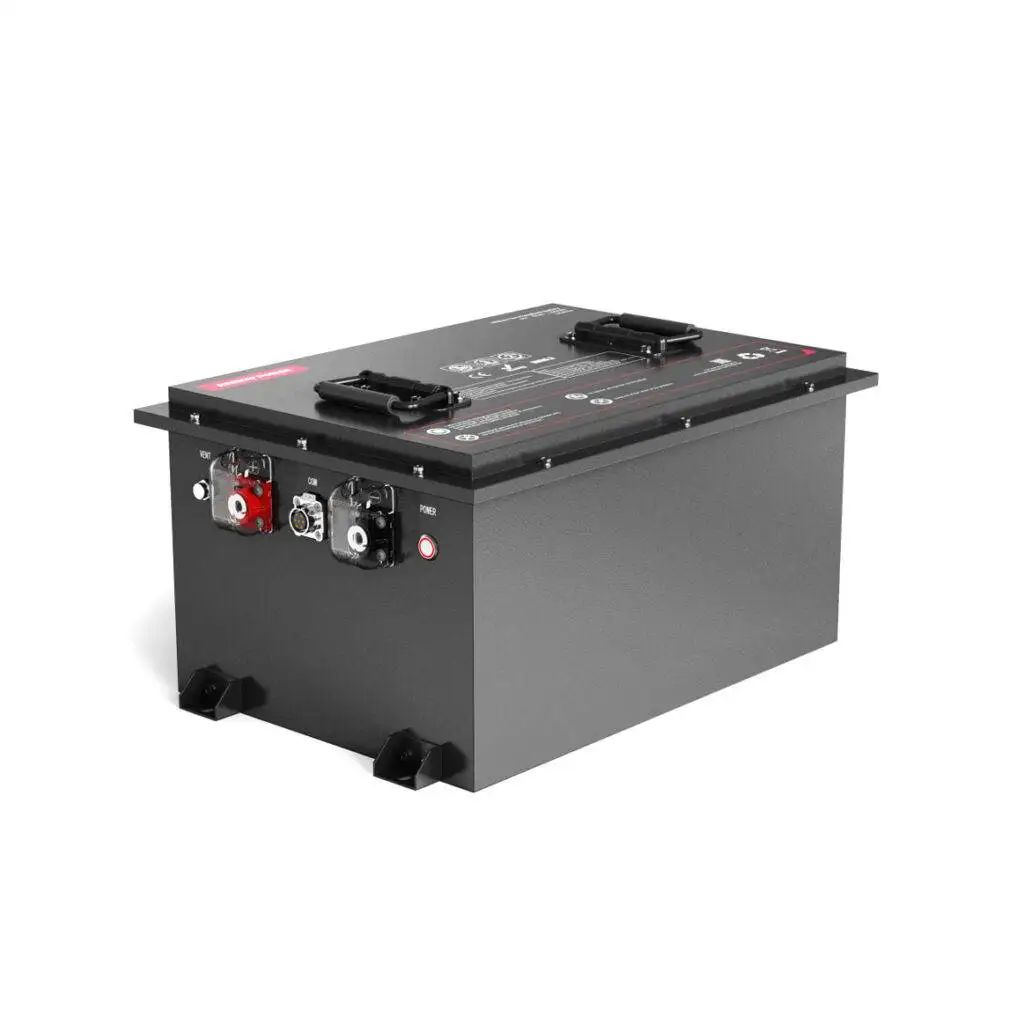
The best battery for a Yamaha gas golf cart is a deep-cycle 12-volt lead-acid battery, typically Group 24 or Group GC2 size, with 180–225Ah capacity. AGM or gel-cell variants are preferred for their maintenance-free operation and vibration resistance, ensuring reliable power delivery for accessories and long-lasting performance.
What Type of Battery Is Required for a Yamaha Gas Golf Cart?
Yamaha gas golf carts use batteries to power auxiliary systems like lights and radios, not for propulsion. Thus, they require robust deep-cycle lead-acid batteries designed to handle frequent partial discharges with stable output. Typically, three 12V batteries connected in series provide the required 36V system voltage.
Deep-cycle batteries are engineered to provide sustained power over extended periods, ideal for the electrical needs of Yamaha gas carts, ensuring accessories function smoothly without sudden power drops.
How Do Battery Types Affect Performance in Yamaha Gas Golf Carts?
Flooded lead-acid batteries are affordable but demand regular maintenance such as checking electrolyte levels and cleaning terminals. AGM and gel-cell batteries offer maintenance-free, leak-resistant advantages and better vibration tolerance, critical in golf cart environments. Lithium-ion batteries, especially LiFePO4 types, are emerging as premium upgrades for Yamaha gas carts, providing lighter weight, longer lifespan, and faster charging.
Redway Battery specializes in offering high-quality AGM and lithium options tailored to golf cart applications, ensuring enhanced durability and performance compared to traditional batteries.
Why Are Deep-Cycle Batteries Recommended for Yamaha Gas Golf Carts?
Deep-cycle batteries sustain prolonged, steady power discharge ideal for accessories. Unlike starter batteries suited for short bursts, deep-cycle types ensure reliable energy delivery over 8–12 hours, preserving battery health and extending service life.
Using deep-cycle batteries also prevents premature battery damage caused by repeated deep discharges, providing consistent performance vital for Yamaha golf cart users.
Which Battery Size Fits a Yamaha Gas Golf Cart?
Group 24 size batteries are the most common fit due to their compatible dimensions and adequate capacity (180-225Ah). Larger batteries like Group GC2 or GC12H offer higher capacity for extended accessory use but may require adjustments in mounting and wiring.
Ensuring correct terminal type (top post or side post) is crucial for seamless installation. Redway Battery’s customized solutions enable perfect fits for different Yamaha models to maximize user convenience.
When Should You Replace Your Yamaha Gas Golf Cart Battery?
Battery replacement is recommended when signs appear such as shortened runtime, difficulty powering accessories, corroded terminals, leaking electrolyte, or physical damage like swelling. Regular voltage tests against standard 12V deep-cycle battery charts can help identify when capacity drops below safe thresholds, preventing unexpected failures during use.
Opting for batteries with built-in management, such as those from Redway Battery, can alert users to maintenance needs and improve safety.
How Does Lithium Battery Technology Compare for Yamaha Gas Golf Carts?
Lithium-ion batteries, particularly LiFePO4 from Redway Battery, offer extended lifespan (up to 10+ years), lighter weight, and faster charging compared to traditional lead-acid batteries. Although upfront costs are higher, they provide improved energy efficiency, vibration resistance, and reduced maintenance demands, making them an increasingly popular choice for Yamaha gas golf carts.
Can You Mix Different Battery Types or Ages in a Yamaha Gas Golf Cart?
Mixing batteries of different types or ages is strongly discouraged due to uneven charging, capacity imbalance, and accelerated wear. Uniformity in battery brand, type, and age ensures optimal performance and prolongs overall battery bank health.
Redway Battery advocates for consistent, high-quality battery packs customized to client specifications to prevent these issues.
What Maintenance Is Recommended for Yamaha Gas Golf Cart Batteries?
Maintenance varies by battery type:
Flooded lead-acid: Requires frequent electrolyte level checks, terminal cleaning, and occasional equalization charging.
AGM, gel-cell, and lithium: Mostly maintenance-free but benefit from routine visual inspections and voltage monitoring.
Proper maintenance underpins battery longevity and reliability, and Redway Battery offers technical support to help customers optimize battery care.
Redway Battery Expert Views
“Choosing the right battery for Yamaha gas golf carts is key to maximizing accessory reliability and lifespan. At Redway Battery, our AGM and lithium battery solutions offer enhanced vibration resistance and extended cycle life, reducing upkeep and downtime for users worldwide.”
— Redway Battery Engineering Team
What Are Common Battery Configurations for Yamaha Gas Golf Carts?
| Configuration | Voltage | Battery Type | Capacity (Ah) | Notes |
|---|---|---|---|---|
| Three 12V batteries series | 36V total | AGM/Lead-acid | 180–225 | Standard auxiliary power |
| Four 12V batteries series | 48V total | Lithium (LiFePO4) | 100–210 | High-capacity, extended use |
For the surrounding sizing, selection, installation and maintenance decisions, continue with the Yamaha Golf Cart Battery — and GEM, Star EV, Kandi and E-Ride.
These configurations highlight the typical setups used in Yamaha gas golf carts, focusing on balance between power needs and battery size.
Summary of Key Takeaways and Actionable Advice
Yamaha gas golf carts require deep-cycle 12V batteries, usually Group 24 or GC2 size, for auxiliary power.
AGM and gel-cell batteries offer maintenance-free durability and vibration resistance.
Lithium-ion batteries from Redway Battery provide long-term cost efficiency and enhanced performance.
Avoid mixing battery types or ages to maintain system integrity.
Regular voltage monitoring and maintenance extend battery lifespan.
Redway Battery delivers customized, reliable solutions tailored for Yamaha gas golf cart batteries.
Frequently Asked Questions (FAQs)
Q1: Can I use automotive batteries in my Yamaha gas golf cart?
A1: No, automotive batteries are designed for short bursts of power and are unsuitable for sustained accessory loads in gas golf carts.
Q2: How long will a typical Yamaha gas golf cart battery last?
A2: Deep-cycle AGM batteries generally last 4–6 years, while lithium batteries can last over 10 years with proper care.
Q3: Are lithium batteries compatible with all Yamaha gas golf carts?
A3: Most lithium batteries by Redway Battery are compatible, but checking specific cart requirements is recommended.
Q4: What maintenance steps best prolong battery life?
A4: Flooded batteries require electrolyte checks; AGM and lithium types mainly need periodic cleaning and voltage checks.
Q5: How many batteries does a Yamaha gas golf cart typically need?
A5: Usually three 12V batteries connected in series to supply 36V for accessories.
