




REDWAY BATTERY / KNOWLEDGE
What makes a lithium golf cart battery truly compatible with Club Car platforms?
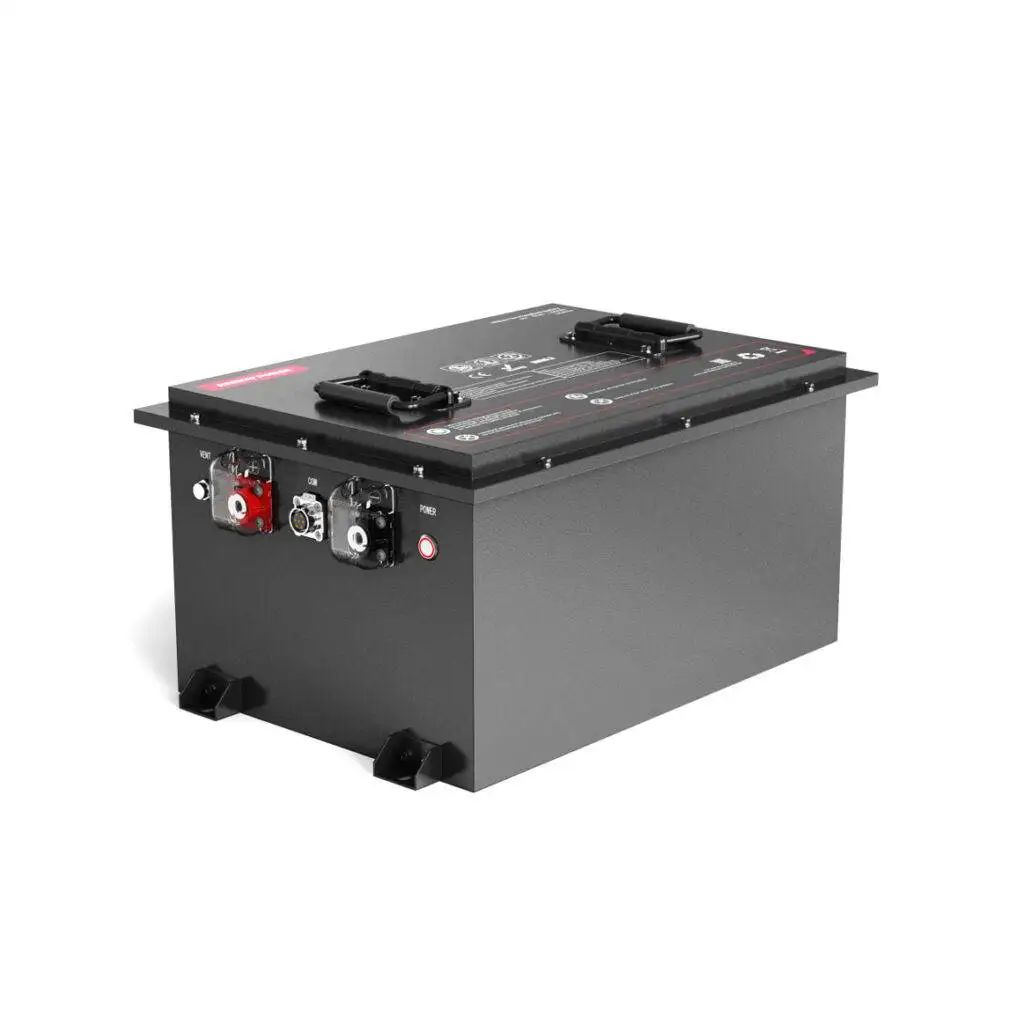
Switching a Club Car golf cart to lithium power is no longer just a premium upgrade—it’s becoming the standard for fleets, resorts, and serious owners who want reliable, low-maintenance, long‑range operation and lower total cost of ownership. A compatible lithium battery is defined not just by voltage and dimensions, but by integrated BMS, safety, and true plug‑and‑play fitment with Club Car’s control systems and chassis.
How big is the lithium golf cart battery market and why is it shifting from lead‑acid?
The U.S. electric golf cart market is growing steadily, driven by demand for cleaner, quieter, and more efficient vehicles in golf courses, resorts, retirement communities, and commercial campuses. Fleet operators are rapidly replacing lead‑acid batteries with lithium because of their longer life, faster charging, and lower maintenance burden.
Lithium golf cart batteries are now a multi‑billion‑dollar segment and are projected to grow at a double‑digit rate over the next decade. This shift is fueled by falling lithium cell prices, better battery management systems, and the need to reduce downtime and maintenance on high‑use Club Car fleets. The days of constantly watering, equalizing, and replacing weak lead‑acid packs every 2–3 years are coming to an end.
Why are traditional lead‑acid batteries a problem for Club Car operators?
Short lifespan and hidden replacement costs
Standard deep‑cycle lead‑acid batteries for Club Car golf carts typically last 3–5 years under ideal conditions, but in real‑world use (frequent deep discharges, partial charging, and hot environments) they often fail in 2–3 years. That means replacing a full 6V or 8V battery bank every few years, with labor and disposal costs that add up quickly for fleets.
A full 48V lead‑acid pack can cost several hundred dollars, and a fleet of 20 carts renewing every 3 years faces thousands in recurring battery expenses. This short cycle life also creates operational headaches when carts suddenly lose range mid‑day.
Heavy weight and reduced range
Lead‑acid batteries are extremely heavy, especially in 6 or 8 battery 48V packs. That extra weight increases rolling resistance, reduces hill climbing ability, and lowers real‑world range. For a standard Club Car, a typical lead‑acid pack weighs 300–400 lbs; that’s dead weight the cart must constantly move, reducing efficiency and putting more strain on the motor and controller.
Constant maintenance and charging issues
Fleet managers and owners must routinely check water levels, clean terminals, equalize charges, and deal with acid spills. Leave a lead‑acid pack sitting discharged for a week, and sulfation sets in, permanently reducing capacity. Charging is slow (8–10+ hours) and requires careful timing to avoid under‑charging or damaging the batteries.
For commercial operators, this means more labor, more risk of human error, and more carts that are unavailable during shift changes because they’re still charging.
Why are generic lithium batteries still a problem, even over lead‑acid?
Poor fitment and mechanical issues
Many so‑called “lithium golf cart batteries” are simply cells in generic boxes that don’t match the tray dimensions, hold‑downs, or cabling of a Club Car. This forces installers to modify trays, improvise brackets, or leave batteries loose, creating safety risks and vibration damage over time.
Club Car models (like Precedent, Onward, and Carryall) have specific battery tray lengths, widths, and height clearances. A battery that “almost fits” can bind cables, block access, or even interfere with the chassis or suspension.
Weak or missing BMS and safety flaws
Low‑cost lithium packs often use undersized or poorly configured battery management systems (BMS). They may lack proper cell balancing, over‑current protection, temperature monitoring, or communication with the golf cart’s controller. This increases the risk of cell damage, fires, or sudden shutdowns on hills.
A true Club Car–compatible lithium battery needs a robust BMS that can handle high regen currents, protect against deep discharge, and communicate cleanly with the cart’s electronics.
No real plug‑and‑play integration
Some lithium conversions require cutting and splicing wires, adding relays, or modifying charge settings. If the BMS doesn’t match Club Car’s voltage setpoints and charge profiles, the cart may not accept charge properly, or the BMS may shut down unexpectedly, stranding the cart.
For a drop‑in replacement, the battery must be electrically compatible with the existing charger and controller, with correct voltage, low self‑discharge, and stable performance under heavy loads.
What is a Club Car–compatible lithium golf cart battery?
A true Club Car–compatible lithium golf cart battery is a purpose‑built LiFePO₄ (Lithium Iron Phosphate) pack designed specifically for Club Car platforms (Precedent, Onward, Carryall, etc.). It matches the OEM battery tray dimensions, terminal positions, and voltage of the original lead‑acid pack (typically 36V or 48V), and includes a properly sized BMS and robust interconnects.
Such a battery replaces the lead‑acid bank as a direct drop‑in, usually with the same form factor and connector style, so it can be installed without cutting trays or rewiring. It’s built to withstand the vibrations, temperature swings, and frequent charge/discharge cycles of daily golf cart use.
How does a Club Car–compatible lithium battery work?
Club Car lithium batteries use cells in a 48V or 36V configuration, with cells connected in series and parallel to deliver the required voltage and capacity. A high‑performance BMS sits between the cells and the cart’s system, performing several critical functions:
Monitors individual cell voltage and temperature to prevent over‑charge and under‑discharge
Balances cells automatically to maintain pack health and maximize usable capacity
Limits current during acceleration and regen braking to protect both battery and controller
Communicates with the charger to accept a full charge without damaging the cells
Includes safety features like short‑circuit protection, over‑temperature shutdown, and low‑voltage cutoff
This allows the battery to provide steady voltage throughout discharge (no “voltage sag”), faster charging, and much longer life than lead‑acid, while maintaining compatibility with Club Car’s existing electrical architecture.
How does a Club Car lithium battery compare to lead‑acid?
Below is a practical comparison of a typical Club Car golf cart when using a 48V lead‑acid pack versus a high‑quality 48V lithium (LiFePO₄) battery:
| Feature | Traditional 48V Lead‑acid Pack | Club Car–compatible Lithium (LiFePO₄) |
|---|---|---|
| Typical lifespan (years) | 2–3 years | 8–12+ years |
| Cycle life (80% DOD) | 300–500 cycles | 2,000–4,000+ cycles |
| Weight (approx.) | 300–400 lbs | 100–140 lbs |
| Charging time (full) | 8–10+ hours | 2–4 hours |
| Maintenance required | Weekly watering, cleaning | None (no maintenance) |
| Depth of discharge (safe) | 50–60% recommended | 80–90% safe for daily use |
| Real‑world range per charge | 20–30 miles (varies) | 30–50+ miles (stable voltage) |
| Compatibility with OEM charger | Yes (standard) | Yes (designed for OEM charger) |
| Installation effort | Heavy; requires tray support | Lightweight; drop‑in fitment |
| Total cost of ownership (5 yr) | Higher (multiple replacements) | Lower (long life, no replacement) |
This shift isn’t just about “better batteries”—it’s about predictable uptime, lower labor, and more usable range per charge.
What are the key features of a high‑quality lithium battery for Club Car?
When choosing a lithium battery for a Club Car golf cart, look for these engineering and performance characteristics:
LiFePO₄ chemistry – Safer, more stable, and longer‑lived than other lithium types, ideal for golf carts and heavy cycling.
Precise Club Car fitment – Designed to match the OEM tray dimensions (length, width, height) and terminal positions of Club Car models.
High‑current BMS – Must support the cart’s motor and controller demands, including regen and hill climbing, without shutting down.
OEM‑compatible voltage – 48V or 36V nominal with correct charge profile to work with the factory charger.
Robust mechanical design – UV‑resistant casing, secure internal cell mounting, and corrosion‑resistant terminals to handle vibration and weather.
Fast charging capability – Accepts high current for 2–4 hours recharge, ideal for resorts, campuses, and fleets.
Plug‑and‑play wiring – Standard connectors or clear terminal layout so it can be installed without special tools or custom wiring harnesses.
Long cycle life – At least 2,000–3,000 cycles at 80% depth of discharge for a long service life.
Brands like Redway specialize in such purpose‑built lithium golf cart batteries, offering OEM/ODM support and tailored solutions for different Club Car models and use cases.
Why choose Redway Battery for a Club Car lithium solution?
Redway Battery is a trusted OEM lithium battery manufacturer with over 13 years of experience in LiFePO₄ batteries for golf carts and other low‑speed vehicles. Their golf cart lithium batteries are engineered specifically for compatibility with Club Car platforms and similar OEMs, providing a true drop‑in replacement for lead‑acid.
Redway’s engineering team focuses on fit, safety, and long‑term reliability, using high‑quality LiFePO₄ cells and robust BMS in compact, lightweight packs. Their batteries are designed for easy integration into Club Car Precedent, Onward, and Carryall models, with factory‑like dimensions and terminal layouts.
For fleets, resorts, and commercial operators, Redway offers custom OEM/ODM options, allowing private labeling, specific capacities, and tailored mechanical designs. As a global supplier with ISO 9001:2015 certification and automated production, Redway delivers consistent quality and strong after‑sales support for Club Car–compatible lithium batteries.
How to install and use a Club Car–compatible lithium battery?
Upgrading a Club Car golf cart to a lithium battery is a straightforward process if using a properly designed, Club Car–compatible pack. Here’s the typical workflow:
Confirm compatibility
Match the lithium battery’s voltage (36V or 48V) and dimensions to the existing Club Car model. Verify that the battery is rated for golf cart use and designed to work with the OEM charger.Remove the old lead‑acid pack
Disconnect the negative first, then positive, and carefully remove all batteries. Clean the tray and inspect cables for damage.Install the lithium battery
Place the lithium pack into the tray, ensuring it fits without binding. Secure it with the existing hold‑downs or a compatible bracket. Connect positive and negative terminals, making sure connections are tight.Connect and test
Double‑check polarity, then reconnect the cart’s main cable. Turn on the key and observe any warning lights. Run a short test in a safe area to confirm normal motor and regen operation.Charge the battery
Use the original Club Car charger (or a compatible lithium charger) and allow a full charge. There’s no need to “condition” or equalize the battery; just charge it normally.Monitor and maintain
Lithium requires no maintenance, but it’s good practice to visually inspect terminals and connections periodically and keep the battery covered if stored outside for long periods.
With a properly engineered lithium battery, the entire process can take 1–2 hours and turns a high‑maintenance Club Car into a low‑maintenance, long‑range machine.
Where can a Club Car lithium battery add the most value?
1. Golf course fleet (Problem: daily range and maintenance)
Golf courses run Club Car fleets 6–12 hours per day, often in hot conditions. Traditional lead‑acid batteries sag in voltage at the end of the round, and staff must manually water and equalize batteries every week.
With a Club Car–compatible lithium battery, range is consistently higher and voltage stays flat until near empty. Carts return to service with a 2–4 hour charge, and there’s no watering or equalizing. This reduces labor, increases cart availability, and improves the rider experience.
Key benefit: 30–50% more usable range per day, 50+% lower maintenance labor, and fewer carts pulled out of service for battery issues.
2. Resort or retirement community (Problem: predictable performance and safety)
Resorts and retirement communities want carts that start reliably every morning and last all day without range anxiety. Lead‑acid batteries can leave people stranded if they’re not fully charged or if one battery fails.
Lithium batteries provide stable voltage, consistent hill climbing, and fast overnight charging. They’re also much lighter, reducing chassis strain and improving suspension life. For older drivers, the reliability boost is a major safety and comfort factor.
Key benefit: Predictable daily range, no “stranded cart” incidents, and reduced worry about forgetting to charge.
3. Commercial campus or factory (Problem: 24/7 operation and downtime)
Corporate campuses, warehouses, and factories use Carryall and utility Club Car models for material handling, security, and maintenance. Downtime for charging or battery replacement can slow operations.
A lithium battery with fast charging allows swap‑in/swappable packs or quick top‑ups during shifts. With a 2,000+ cycle life, the battery can last the entire economic life of the cart, eliminating multiple replacement events.
Key benefit: Continuous operation with minimal downtime, fewer battery changeouts, and lower total cost of ownership over 8–10 years.
4. Personal/owner use (Problem: hassle and short lead‑acid life)
Individual owners hate the chore of checking water, cleaning terminals, and dealing with progressive range loss as lead‑acid batteries age. They want a “set and forget” solution that just works.
Lithium removes the maintenance entirely and roughly doubles the real‑world range per charge. With a lightweight pack, the cart also feels more agile and climbs hills better. The battery lasts through the life of the cart, not just a few years.
Key benefit: Zero maintenance, longer range, and no need to budget for new batteries every 2–3 years.
What does the future hold for lithium golf cart batteries?
LiFePO₄ lithium batteries are quickly becoming the default choice for new and retrofitted Club Car golf carts, not just a premium option. As battery prices continue to fall and BMS technology improves, the break‑even point between lead‑acid and lithium keeps getting shorter.
Future trends include:
Smarter BMS with state‑of‑charge and health monitoring via smartphone apps
Integration with solar charging and off‑grid power systems
Higher capacities in the same physical footprint, pushing 50+ mile ranges on a single charge
OEMs (including Club Car) offering lithium as standard on more models
For fleets and serious users, upgrading to a lithium battery is now one of the most cost‑effective upgrades available for a Club Car.
How do you choose a truly compatible lithium battery for Club Car?
Is a lithium battery really a drop‑in for my Club Car Precedent / Onward?
Yes, but only if the battery matches the OEM tray size, height, and terminal layout, and is designed for golf cart use. Look for a pack that uses LiFePO₄ chemistry and includes a properly sized BMS for the cart’s motor and controller.
Do I need a special charger for a lithium golf cart battery?
In most cases, a properly designed Club Car lithium battery can use the existing OEM charger because it’s programmed to accept the standard 48V/charging profile. However, some lithium packs require a lithium‑specific charger; always confirm this with the manufacturer.
What capacity (Ah) should I choose for my Club Car?
For a standard 48V Club Car, common capacities are 100–150 Ah. Higher capacity (e.g., 120–150 Ah) is better for fleets, long courses, or carrying heavy loads. A higher Ah rating extends range and reduces daily depth of discharge.
Can I run a lithium battery in very hot or cold climates?
LiFePO₄ batteries perform well in a wide temperature range (typically −20°C to +60°C), but charging below 0°C may require a low‑temperature protection feature. For extreme climates, choose a battery with a robust BMS that includes temperature monitoring and protection.
How long will a lithium golf cart battery last under heavy use?
A high‑quality LiFePO₄ battery designed for Club Car should last 8–12 years with daily use, equivalent to 2,000–4,000 cycles at 80% depth of discharge. This is several times longer than a lead‑acid pack, making it a better long‑term investment.
Sources
Golf Cart Battery Market Size & Forecast 2030
U.S. Electric Golf Cart Market Size & Industry Report, 2033
Lithium Golf Cart Batteries Market Research, 2035
Club Car press release on lithium option for CRU vehicle, July 2025
2025 U.S. Golf Cart Lithium Battery Market Analysis
Redway Battery golf cart lithium battery product line
For connected guidance and the next practical steps, use the Club Car Battery: Precedent, Carryall and What Fits Each Model.
