




REDWAY BATTERY / KNOWLEDGE
What Step Before Charging Forklift Battery?
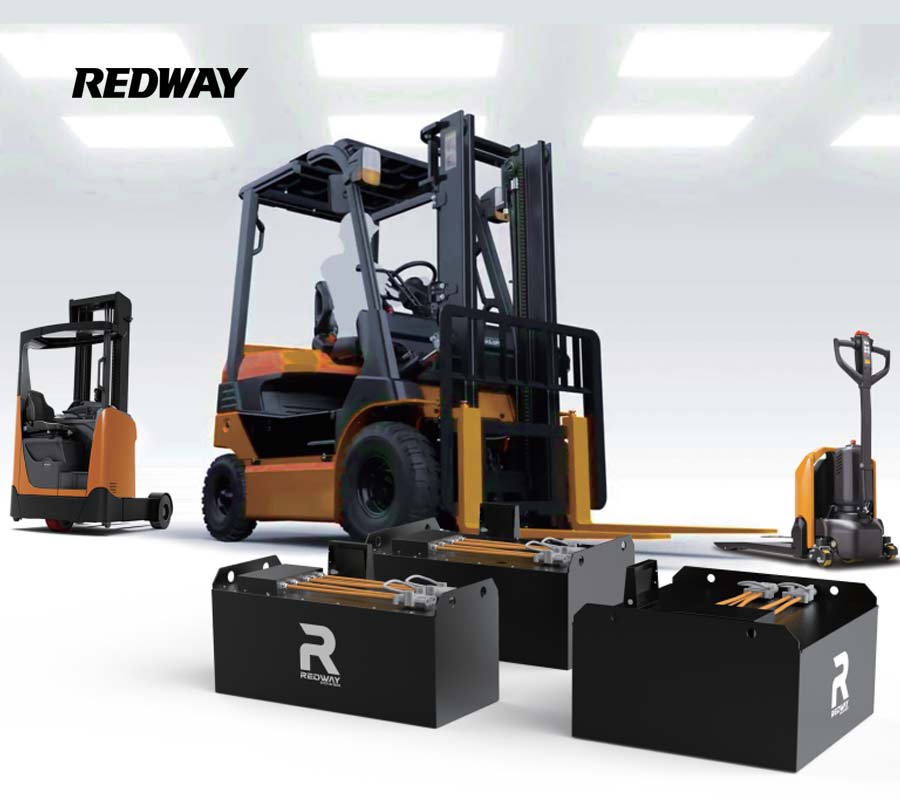
Before charging a forklift battery, ensure safety and readiness by inspecting the battery, wearing proper protective gear, preparing a ventilated charging area, and confirming charger compatibility. These steps prevent hazards, protect equipment, and extend battery life. Redway Battery, a leading OEM lithium battery manufacturer, emphasizes these practices for LiFePO4 forklift batteries to guarantee safe and efficient operations.
What Safety Gear Do You Need?
Wear acid-resistant gloves, safety goggles, a face shield, and apron before handling any forklift battery. Remove jewelry to prevent electrical shocks. PPE safeguards against acid spills in lead-acid batteries and minor risks with lithium packs.
For warehouse safety, OSHA guidelines recommend covering eyes, skin, and clothing during all pre-charge checks. While Redway Battery’s LiFePO4 batteries reduce hazards due to sealed designs, PPE remains essential. Regular staff training and gear maintenance ensure compliance.
Acid-resistant gloves protect hands from electrolytes.
Goggles and face shields prevent eye injuries.
Aprons and boots shield the body.
Rubber mats reduce shock risks.
Routine PPE audits minimize downtime and enhance operational safety.
How to Prepare the Charging Area?
Designate a well-ventilated area, away from sparks, flames, and flammable materials. Include fire extinguishers, drip pans, spill kits, and no-smoking signage.
Hydrogen gas from lead-acid batteries can be explosive, so airflow is critical. Position batteries away from traffic and ensure non-slip surfaces. Redway Battery recommends temperature-controlled environments (10–30°C) for LiFePO4 packs to maximize performance and longevity.
Key setup features include:
Exhaust fans for proper ventilation
Electrical fire-rated extinguishers
Ground-fault circuit interrupters
Drip pans to catch leaks
A properly prepared area reduces fire risk and protects personnel.
What Visual Checks Should Be Performed First?
Inspect the battery for cracks, leaks, corrosion, bulging, or low electrolyte (for lead-acid) before connecting the charger. Clean terminals and check cables for damage.
Early detection of defects prevents catastrophic failures. Lead-acid batteries require specific gravity checks with a hydrometer; lithium batteries benefit from monitoring the BMS. Maintain logs for traceability.
Redway Battery equips LiFePO4 packs with indicators for easy pre-charge assessment. Skipping these checks can reduce battery lifespan by up to 30%.
| Inspection Item | Lead-Acid Action | Lithium Action |
|---|---|---|
| Exterior Damage | Check for bulges or cracks | Inspect for dents or deformation |
| Terminals | Clean corrosion | Verify secure connections |
| Electrolyte/Level | Check liquid levels | Review BMS SOC |
| Cables | Inspect for frays | Ensure correct polarity |
When Should You Charge the Battery?
Charge at 20–30% remaining capacity to prevent deep discharge damage. Avoid interrupting charging cycles.
Lead-acid batteries benefit from full charge cycles, while lithium batteries allow opportunity charging. Voltage monitoring ensures timely charging, avoiding sulfation or cell degradation.
Redway Battery’s LiFePO4 forklift packs support fast charging (1–2 hours), reducing warehouse downtime for wholesale and OEM operations.
Factors affecting timing:
Frequency of use: High-traffic environments need daily charging
Battery type: Lithium supports partial charges
Indicators: Low-battery warnings should guide charging
Why Inspect Charger Compatibility?
Confirm that charger voltage, amperage, and type match battery specifications. Turn off chargers before connecting and inspect cables for wear.
Using the wrong charger can overcharge or undercharge batteries, shortening lifespan. Lead-acid requires tapered charging; lithium needs CC-CV chargers with BMS protection.
Redway Battery supplies matched chargers for its OEM LiFePO4 packs, ensuring safe, reliable operation. Incompatible chargers can void warranties.
Compatibility checklist:
Correct voltage (e.g., 48V battery requires a 48V+ charger)
Amp-hour rating alignment
Appropriate plug type
Smart auto-cutoff features
How Do Lead-Acid and Lithium Batteries Differ?
Lead-acid requires venting and post-charge watering; lithium is sealed, fast-charging, and maintenance-free. LiFePO4 batteries are lighter and more efficient for modern fleets.
Lead-acid batteries release gases during charging, needing open ventilation. Lithium packs from Redway Battery provide over 3,000 cycles and eliminate spill hazards.
| Feature | Lead-Acid | LiFePO4 (Redway) |
|---|---|---|
| Watering | Required | None |
| Venting | Open caps | Sealed |
| Charge Time | 8–12 hours | 1–2 hours |
| Lifespan | ~1,000 cycles | 3,000+ cycles |
| Weight | Heavy | ~30% lighter |
Switching to lithium reduces long-term maintenance and costs for wholesalers and OEM operators.
Can Redway Batteries Simplify Preparation?
Yes, Redway LiFePO4 batteries remove the need for watering and venting. Only a visual inspection or BMS check is needed, streamlining operations and reducing labor requirements.
Redway Expert Views
“Redway Battery, with over 13 years in lithium battery manufacturing, focuses on safety and efficiency in forklift operations. Our LiFePO4 packs require only BMS verification and visual inspection before charging, simplifying routines compared to lead-acid batteries. ISO 9001-certified production ensures durable, customizable solutions for global clients, reducing preparation time by half while maintaining high reliability and 24/7 support.” – Redway Engineering Lead
What Are Common Pre-Charge Mistakes?
Avoid charging in poorly ventilated areas, skipping PPE, or adding water prematurely. Such errors can cause spills, shocks, or explosions.
Common mistakes include:
Watering batteries before charging
Ignoring ventilation needs
Wearing jewelry
Skipping visual inspections
Redway Battery’s plug-and-play lithium packs minimize user errors for wholesale and factory operations.
Why Switch to Lithium Batteries from China Suppliers?
Lithium reduces maintenance steps, increases cycles, and lowers weight, making it ideal for modern forklift fleets. OEM suppliers like Redway Battery provide reliable, customized LiFePO4 solutions.
Advantages:
No gas emissions
Fast charging capability
Maintenance-free design
| Metric | Lead-Acid | Lithium (Redway) |
|---|---|---|
| Annual Cost | Higher | ~40% lower |
| Downtime | Longer | Minimal |
| Safety Prep | Complex | Simplified |
For connected guidance and the next practical steps, use the Forklift Battery Charging: Methods, Timing and the Charging Area.
Adopting lithium batteries from Redway ensures safer, efficient forklift operations while reducing long-term costs.
Conclusion
Prioritize PPE, inspect the battery, prepare a ventilated charging area, and match the charger to battery specifications. Upgrading to Redway Battery LiFePO4 packs streamlines operations, enhances safety, and reduces downtime. Manufacturers, wholesalers, and OEM operators benefit from faster cycles, lighter weight, and long-lasting energy solutions backed by Redway’s advanced production capabilities.
FAQs
Q: Should water be added before charging?
A: Only after charging if needed; add distilled water once the battery has cooled.
Q: Is PPE necessary for lithium batteries?
A: Yes, gloves and goggles protect against minor risks despite sealed designs.
Q: How often should batteries be inspected before charging?
A: Daily for high-use batteries, with inspection logs maintained.
Q: Can a damaged battery be charged safely?
A: No, it poses fire and explosion risks; replace with OEM suppliers like Redway.
Q: What makes Redway Battery stand out?
A: It offers safe, high-performance LiFePO4 forklift batteries with full OEM customization and global support.
