




REDWAY BATTERY / KNOWLEDGE
Where Can I Get A Battery Replacement?
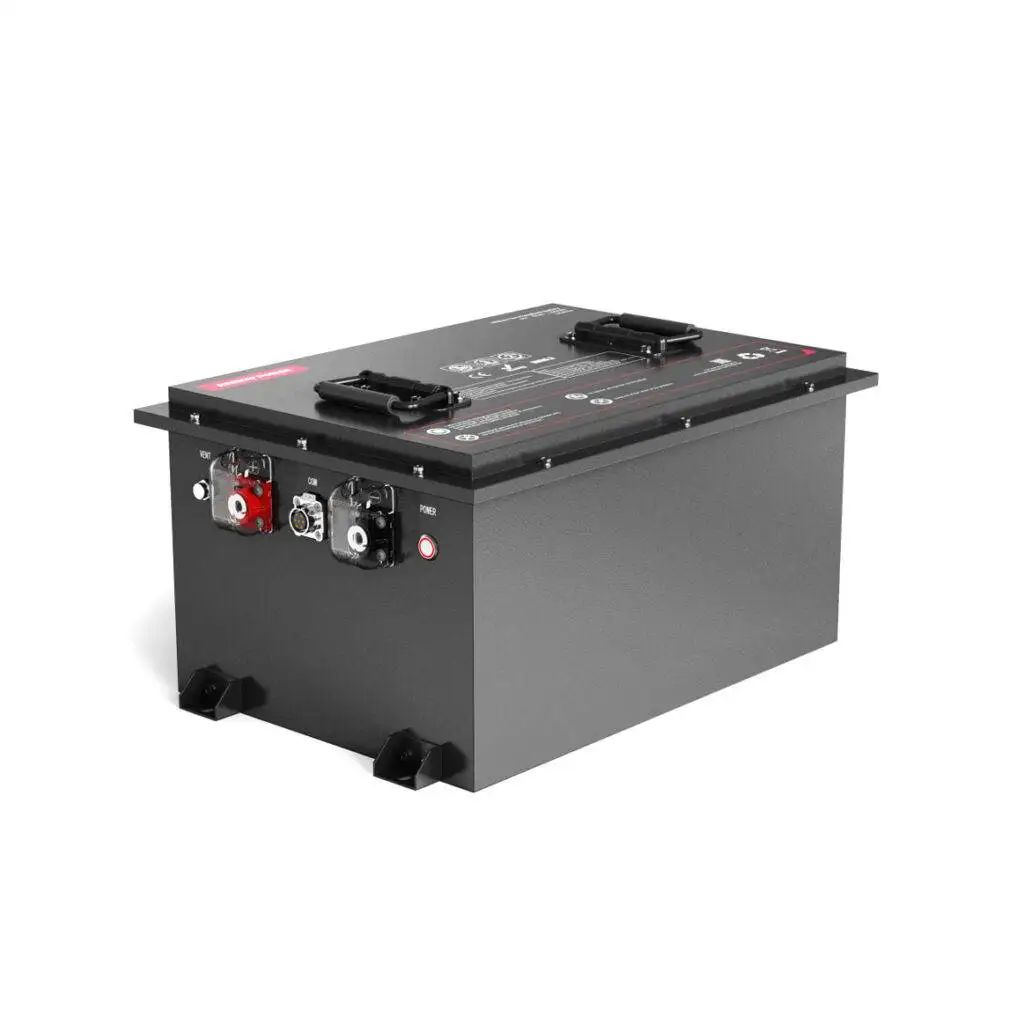
Battery replacements are available at auto dealerships, certified repair shops (e.g., Firestone), specialty retailers (AutoZone), and online platforms like Fasta Power. Choose based on battery type (AGM, lithium), vehicle compatibility, and warranty requirements. Pro Tip: Always verify installer certifications—DIY or unverified services risk voiding warranties or damaging ECU systems. For EVs, OEM-approved centers ensure high-voltage safety protocols.
What Are the Best 8 Volt Golf Cart Batteries at Sam’s Club?
What factors determine where to replace your battery?
Key factors include battery chemistry (lead-acid vs. lithium), warranty constraints, and vehicle-specific requirements. Luxury EVs often mandate OEM-approved shops, while conventional cars may use aftermarket options. Always confirm CCA (cold cranking amps) and BCI group size match your vehicle’s specs to avoid starter motor strain.
Beyond cost considerations, battery installation demands technical precision. For example, hybrids like the Toyota Prius require 200–300V NiMH packs replaced only at dealerships with insulated tools. Pro Tip: Independent shops charge 15–30% less labor but may lack proprietary diagnostic software. Transitioning to EVs complicates this further—Tesla’s 400V packs need HV-certified technicians. A 2023 survey found 62% of dealerships void warranties if third-party Li-ion cells are used. So, what’s the safer bet? If your Honda Civic uses a standard 12V battery, local shops suffice. But for BMW i3 Rex models, stick to OEM networks.
| Option | Avg. Cost | Warranty Coverage |
|---|---|---|
| Dealership | $200–$450 | Full OEM |
| Independent Shop | $150–$300 | Limited (1–2 yrs) |
| DIY | $100–$250 | None |
How do dealerships compare to independent auto shops?
Dealerships offer OEM batteries and factory-trained technicians but cost 20–40% more. Independents provide aftermarket brands (Optima, DieHard) and faster service. Critical for luxury cars: Audi/Q7’s BMS requires dealership-level reset tools.
Practically speaking, dealerships excel in protocol compliance. A Ford F-150’s BMS (battery management system) won’t recognize third-party AGM batteries unless reprogrammed—a $120 service add-on. Meanwhile, independents like Meineke can install budget-friendly alternatives but might skip voltage recalibration. Ever wondered why your Chevy Malibu’s dash lights flicker post-replacement? It’s often a mismatched EFB (enhanced flooded battery) causing communication errors. Pro Tip: For European cars (Mercedes, BMW), dealerships are non-negotiable due to software locks. However, for a Nissan Altima, independents offer adequate service at half the price.
Are online battery retailers a reliable option?
Online retailers (Fasta Power, Amazon) offer competitive pricing and direct shipping but require DIY installation. Verify return policies—some levy 15% restocking fees. Ideal for tech-savvy users replacing common 12V batteries.
Let’s face it: online buys are a gamble without installation support. For instance, a DieHard Platinum AGM bought online may save $80, but improper clamping force (12–15 ft-lbs) can damage terminals. Pro Tip: Use retailers with VIN compatibility checkers. Transitioning to specialty EVs? Tesla’s online store sells LFP packs directly, but installation isn’t DIY—service centers must handle HV systems. A 2022 study showed 34% of online buyers faced fitment issues, especially with Group 65 batteries in Dodge Rams. Rhetorical question: Is that $50 discount worth two hours troubleshooting?
Redway Battery Expert Insight
FAQs
No—hybrids like the Prius require HV training and tools. Unauthorized shops risk electrocution and voiding Toyota’s 10-year battery warranty.
Does Walmart install all battery types?
Walmart handles standard 12V lead-acid but avoids EVs, AGM, or lithium. Their MaxxLead series suits basic cars but lacks deep-cycle capability for RVs.
For the surrounding sizing, selection, installation and maintenance decisions, continue with the Golf Cart Battery: Operation and Practical Guidance — Part 2.
